Iran-Israel08 January, 20262 min read
Iranian Regime Kills Dozens in Nationwide Crackdown on Anti-Government Protests
Security forces killed at least 36 people during nationwide protests Protests occurred in over 310 locations across 28 of Iran’s 31 provinces
14 outlets told this the same way.
Outlets did split on U.S. Intercepts Iran Message Activating Sleeper Cells After U.S.-Israel Strike Kills Khamenei →
Iran protests and crackdown
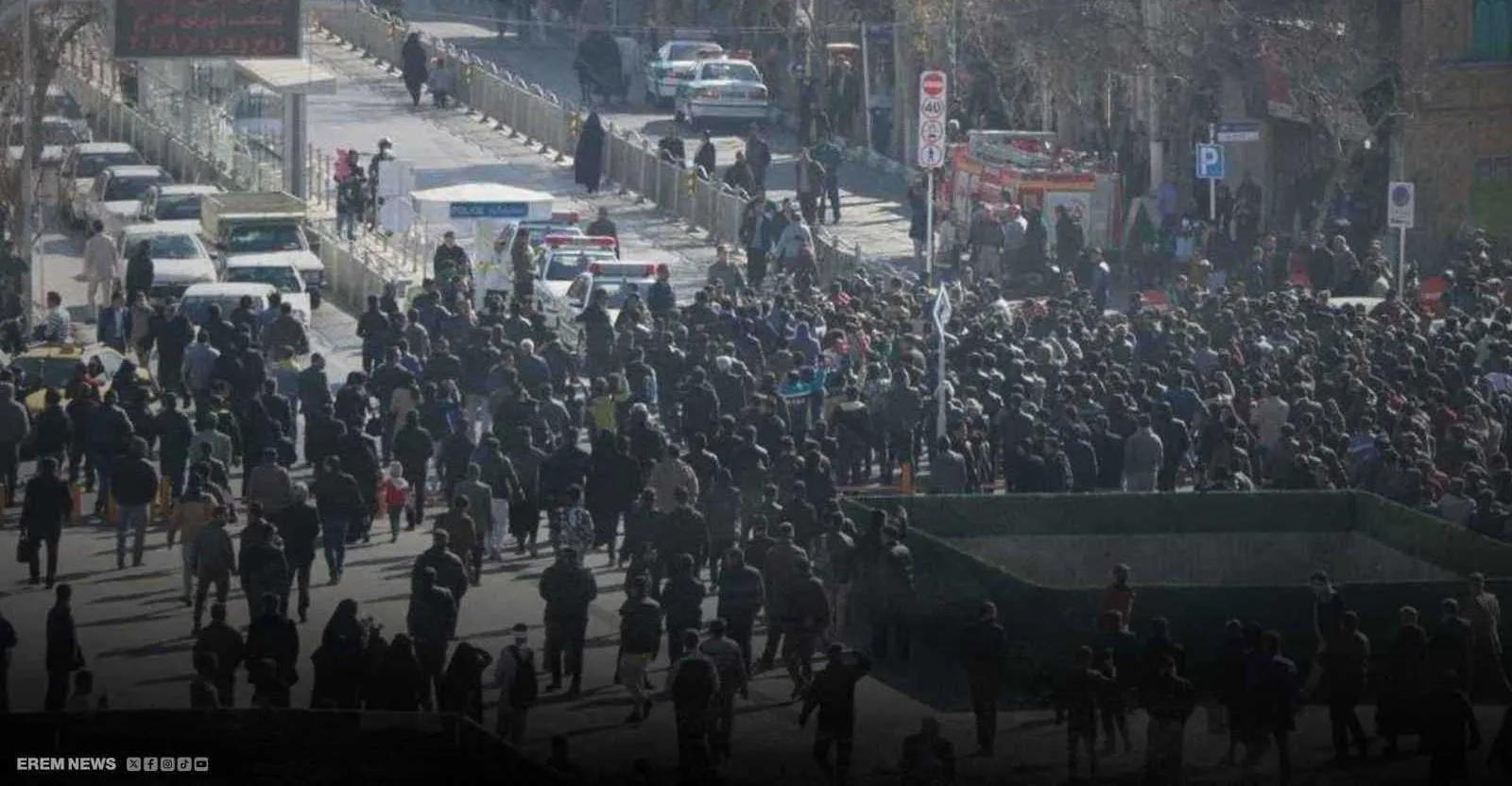
Nationwide anti-government protests in Iran began in late December over deteriorating economic conditions and have prompted a harsh security crackdown that rights groups say has left dozens dead and thousands detained amid an effectively nationwide communications blackout. Multiple outlets report heavy clashes and widespread demonstrations in cities including Tehran, Mashhad, Kermanshah, Shiraz, Isfahan and others.
“Anti-government demonstrations that began in late December over Iran’s rising cost of living have continued into their 11th day despite internet and international phone shutdowns and a heavy security crackdown.”
Footage recorded before communications were cut showed crowds chanting slogans such as "Death to the dictator" and fires in the streets, and monitors like NetBlocks documented severe internet restrictions and international phone shutdowns that hindered independent verification. Government statements ranged from acknowledging casualties to blaming foreign-backed "terrorist agents", while rights monitors cited widely varying casualty and detention figures.

Drivers of the unrest
Protesters and many outlets characterize the unrest as rooted in acute economic pain—rising food prices, a collapsing rial and shrinking purchasing power. Signs and chants have increasingly adopted political content, including calls against the Islamic Republic and even references to restoring the Pahlavi monarchy.
Markets and bazaars played a visible role, with Tehran’s Grand Bazaar closing in protest amid a steep fall in the currency. Analysts and regional outlets trace the immediate spark to a crash in living standards, even as some reformist officials have called for dialogue and modest economic measures.

Tehran's response to unrest
Tehran’s official response mixed concessions and hardline rhetoric. Reformist President Masoud Pezeshkian urged restraint, opened probes and proposed limited economic relief. Senior security figures and state media accused foreign powers and 'terrorist agents' of incitement and promised force against perceived meddling.
Regional outlets and state-affiliated reporting emphasized alleged foreign plots and security-force casualties. Western outlets highlighted videos and eyewitness accounts of live ammunition, beatings and raids on hospitals, which prompted some internal probes.
Disputed casualty and detention counts
Casualty and detention figures vary widely across sources, reflecting competing monitors and a blackout that limits independent confirmation. HRANA and Iran Human Rights are frequently cited but report differing totals, with HRANA figures cited ranging from 36 to more than 42 dead in different reports while Iran Human Rights is quoted as saying 45 dead.
Some outlets report arrests in the low thousands while others, with less clear sourcing, cite much higher detention figures. Observers warn that the absence of official nationwide data and internet restrictions make it difficult to reconcile counts.
International reactions to unrest
International reactions have been mixed and at times politically charged. European governments urged restraint and expressed solidarity with protesters. Figures like Israeli prime minister Benjamin Netanyahu urged Iranians to seize the moment.
“European officials condemned violence and voiced solidarity with protesters, Israel’s Benjamin Netanyahu urged Iranians to seize the moment, and former US president Donald Trump warned the US would hit Iran 'very hard' if protesters are killed.”
Former US president Donald Trump posted and warned about forceful US action if protesters were killed. West Asian outlets note domestic calls for restraint from Iran's reformist president.

They also report stern warnings from senior leaders that the state will not 'yield to the enemy'. The mix of external admonitions, perceived encouragement and Tehran's own narrative of foreign plots contributes to a polarized international framing of the unrest.