Iran-Israel25 January, 20262 min read
Iranian Regime Massacres Protesters as Crackdown Escalates; Analyst Compares It to Babi Yar
This article is an automated aggregation of coverage from news outlets. Our editorials offer in-depth analysis curated by the NewsCord team.
Two senior Iranian Health Ministry officials reported roughly 30,000 people killed on Jan 8–9 Security forces used mass shootings, rooftop snipers and trucks with mounted guns to kill protesters

18 outlets told this the same way.
Outlets did split on U.S. Intercepts Iran Message Activating Sleeper Cells After U.S.-Israel Strike Kills Khamenei →
Crackdown on protesters
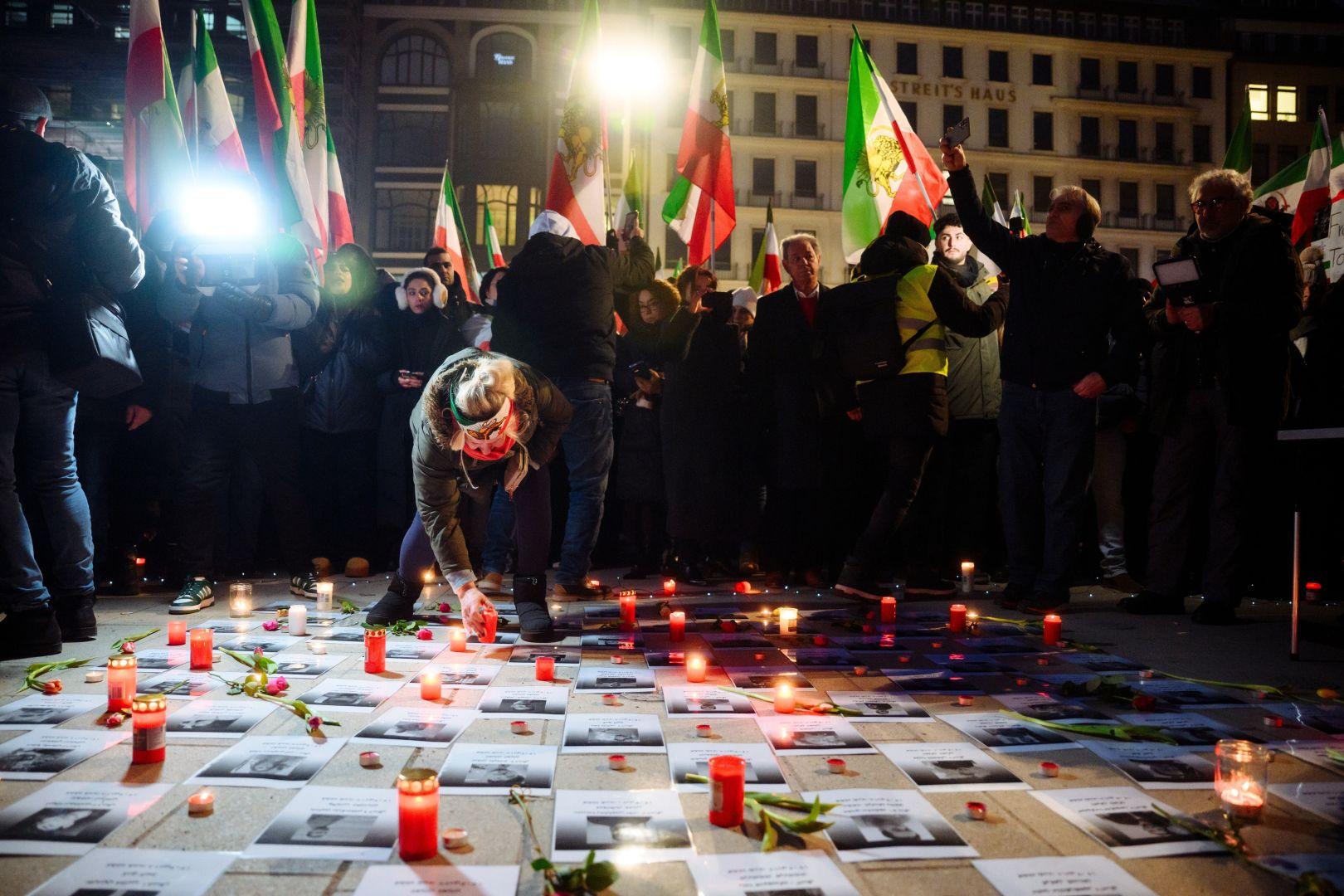
Iranian security forces have escalated a nationwide crackdown on protesters. Multiple outlets report large-scale killings, arrests and heavy use of live ammunition in several cities over recent weeks. Reports describe security sweeps, night raids and evidence of mass burials or bodies found after violent dispersals.
Human rights groups allege summary executions and torture of detainees. Journalists and rights monitors say violence has intensified rapidly and the space for independent reporting in Iran is shrinking. Phone and internet blackouts have accompanied the security operations, further restricting information flow.

Comparison to Babi Yar
The scale of reported killings and the discovery of mass burial sites led at least one analyst to compare them to the Babi Yar massacre, a World War II mass killing often used as shorthand for sudden, large-scale executions, arguing the speed and secrecy of some operations resembled that atrocity's early stages.
That comparison appears in opinion pieces and in quotes from analysts across outlets, which differ in how directly they draw the historical parallel and in how they interpret the regime's intentions.
Conflicting accounts of repression
Eyewitnesses, diaspora activists, and exile media emphasize the brutality of the security response and report specific incidents — shootings at protests, beatings in detention centers, and alleged disappearances — which family members corroborate. Exile outlets and social media amplified footage and lists of victims, while state-affiliated Iranian media either deny killings or portray the protests as violent unrest provoked by foreign actors. These divergent narratives shape public perception: domestically, government messaging aims to delegitimize protests, whereas international coverage focuses on alleged human-rights violations and calls for investigations.
International responses and coverage
Governments and multilateral bodies have issued condemnations and called for investigations, though some states have stopped short of strong measures because of geopolitical considerations. Human rights organizations are calling for independent inquiries, targeted sanctions on responsible individuals, and secure channels to document abuses. Regional and global media coverage varies in intensity and framing, reflecting differing diplomatic priorities and editorial perspectives.
Comparisons to past atrocities
The moral and historical framing of the crackdown — especially when analysts compare it to Babi Yar — intensifies calls from diasporas and rights groups for swift international action. It also raises methodological and rhetorical questions among scholars and some journalists about analogies to past mass atrocities.
Critics of analogy use warn that invoking Holocaust-era comparisons can mobilize strong emotions but may obscure specific legal findings. Supporters say such comparisons underscore the urgency and scale of potential crimes and galvanize international attention.
