Protests14 January, 20262 min read
Iranian Regime Moves To Hang 26-Year-Old Protester Amid Brutal Crackdown
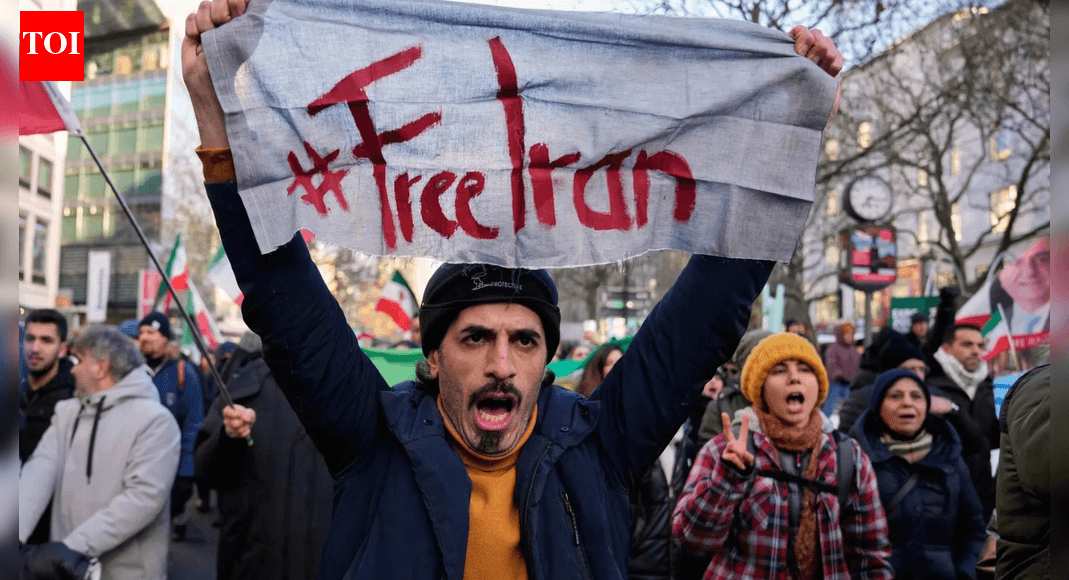
Human-rights group HRANA reports at least 2,571 people killed in Iran's protests Iran's judiciary sentences 26-year-old protester Erfan Soltani to imminent execution
10 outlets told this the same way.
Outlets did split on France Suspends Police Stun Grenades at High School Protests After 15-Year-Old Loses Hand →
Execution risk for protester
Iran appears to be moving toward executing a 26-year-old protester, Erfan Soltani, amid a wider, violent crackdown on nationwide demonstrations.
“Donald Trump warned of ‘very strong action’ if Iran hangs anyone, after a rights group said a 26-year-old man faces execution today.”
Exiled activists and human-rights groups say Soltani, who was arrested on Jan. 8, was sentenced to death without a trial and could be executed imminently.

Rights groups, including HRANA, have driven public attention to his case and urged international intervention.
Reporting is constrained by internet shutdowns and conflicting tallies of deaths and arrests, which make independent verification difficult.
Those constraints have not stopped governments and rights monitors from warning about the prospect of expedited executions.
Casualty and detention figures
Casualty and detention figures are highly contested and differ sharply across sources. Rights groups such as Norway-based Iran Human Rights and US-based HRANA have published totals ranging from the hundreds to the thousands, while Iranian officials have offered a separate tally.
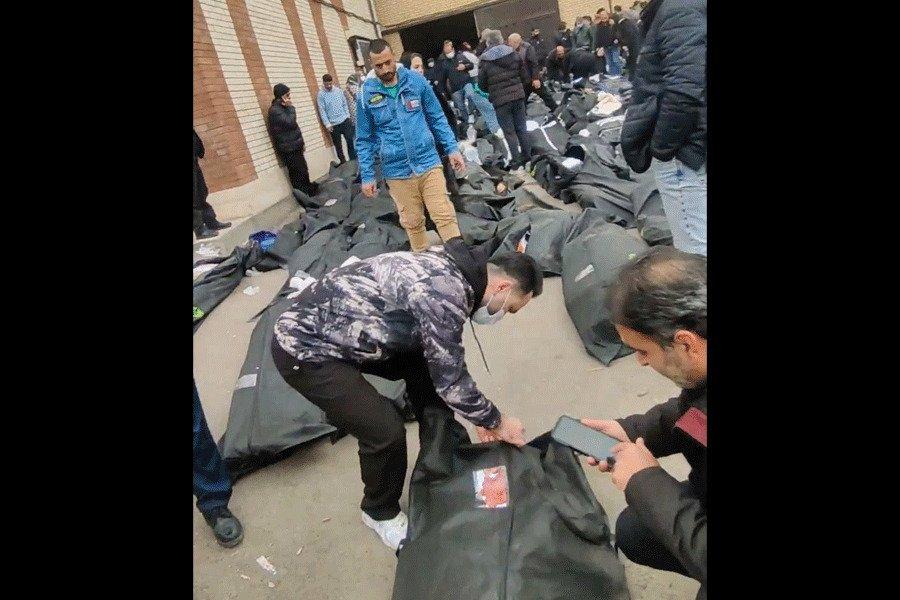
HRANA and activist tallies have been reported as high as 2,571 killed, a monitoring group reported 2,403 protesters killed plus others, and other outlets cite 'hundreds' killed or at least 734 confirmed protester deaths. These wide discrepancies stem from the near-total telecom blackout and the difficulty of independent verification.

International response to Iran
International diplomatic pressure is mounting, with the UN human rights chief and multiple European governments condemning Iran's actions and signaling sanctions or other measures. UN human rights chief Volker Türk publicly urged Iran to stop killing peaceful protesters and warned against labeling demonstrators as terrorists. EU leaders said new sanctions would be proposed and several countries summoned Iranian envoys.
“U.N. human rights chief Volker Türk urged Iran to stop killing and repressing peaceful protesters and condemned labeling demonstrators as ‘terrorists.’”
At the same time, Tehran warned of reciprocal measures and regional escalation. Russia called U.S. threats categorically unacceptable.
Qatar and other regional actors cautioned that any military escalation would be catastrophic. The interplay of sanctions talk, diplomatic summons and security warnings has amplified international concern about both Iran's internal repression and the risk of wider confrontation.
Iran security and restrictions
Domestically, Tehran has used broad security measures and information controls, imposing near‑total internet and telecom shutdowns, carrying out large‑scale arrests, and staging state funerals for security forces. Observers say the communications blackout has hampered independent reporting and verification of events on the ground. Some international calling was later restored after more than 108 hours of blackout, but severe restrictions remained.
U.N. staff inside Iran were reported working from home. Rights monitors warned of arbitrary detentions and expedited legal processes that could culminate in death‑penalty cases.
Uncertainties in execution reports
Important uncertainties remain: the reported death sentence for Soltani, the exact scale of fatalities and arrests, and any definitive proof of expedited executions are all contested. Sources consistently note that figures come from rights monitors, activist groups, news agencies and officials, not independent, fully verifiable court records, and they warn that the blackout and official secrecy make confirmation difficult. Readers should therefore treat reports of an imminent execution and specific casualty totals as claims by named organizations or officials with varying methodologies rather than established facts.
“Reported casualties and arrests vary by source: AP cited ‘hundreds’ killed and thousands arrested; activist groups such as Human Rights Activists News Agency (HRANA) and Iran Human Rights reported much higher figures (over 2,000–2,571 killed and more than 16,700 detained in some tallies).”