Iran-Israel01 February, 20262 min read
Iranian Regime Releases Protester Erfan Soltani on Bail After Execution Threat
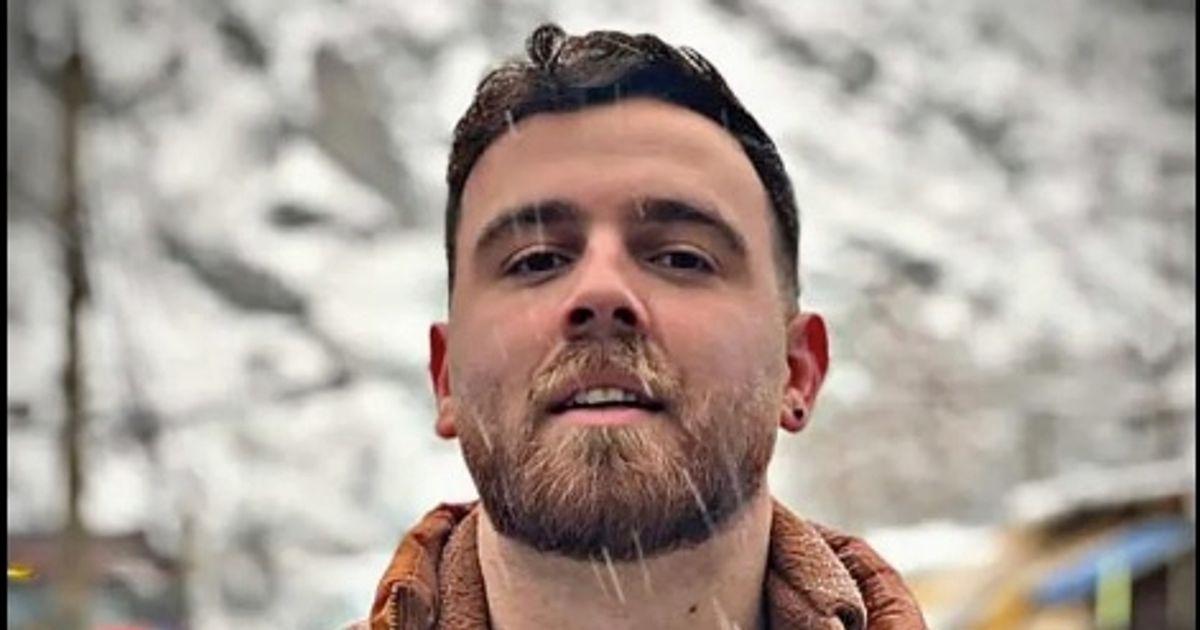
Erfan Soltani, 26, arrested in Fardis in early January, was released on bail. His family was told he faced imminent execution; Iran's judiciary denied any death sentence.
12 outlets told this the same way.
Outlets did split on U.S. Intercepts Iran Message Activating Sleeper Cells After U.S.-Israel Strike Kills Khamenei →
Release of detained protester
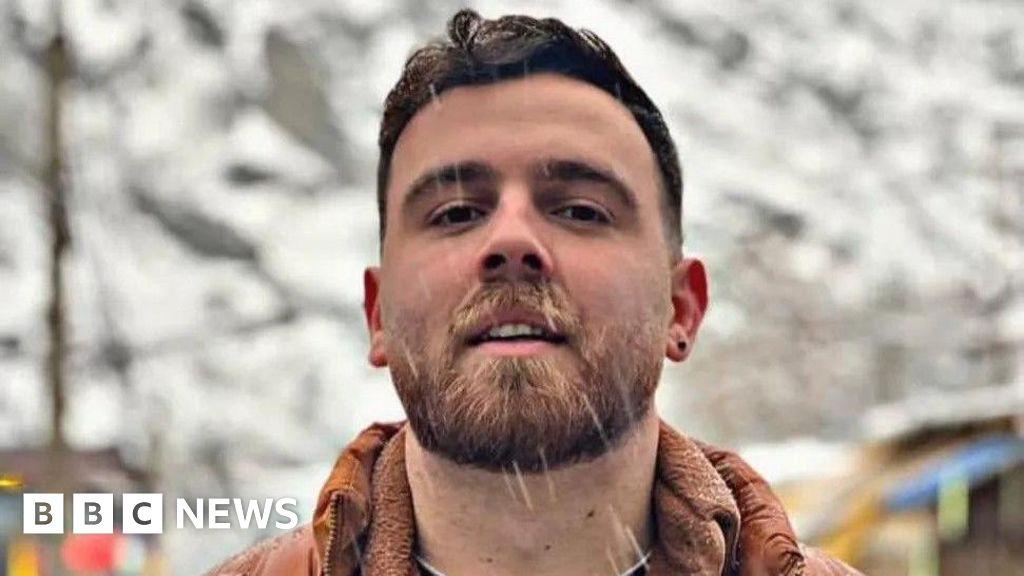
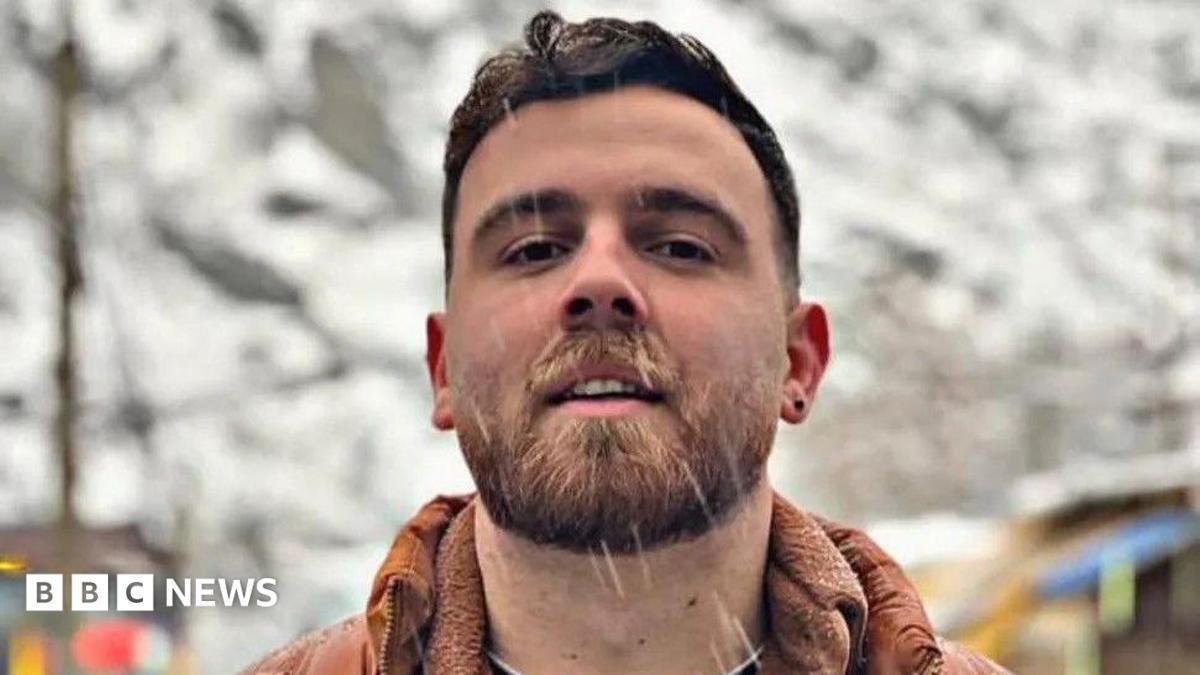
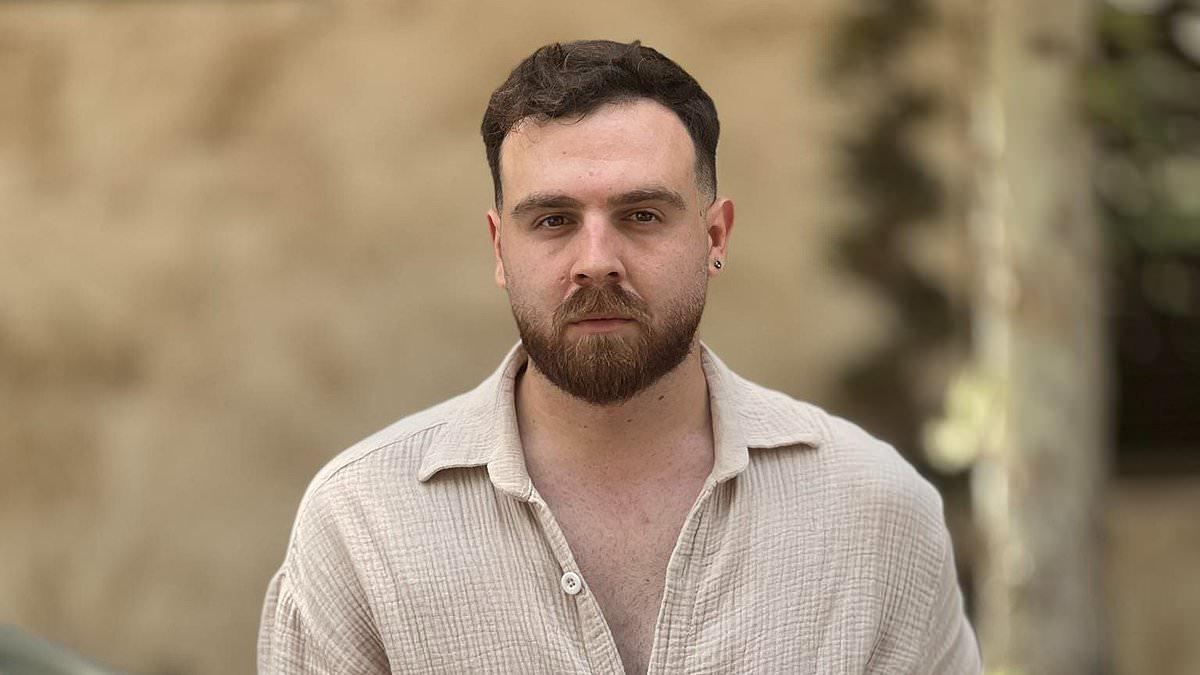
Iranian protester Erfan Soltani, 26, has been released on bail after being detained during nationwide anti-government demonstrations. Human rights group Hengaw, his family, and state outlets reported his release. Multiple media outlets confirmed he was freed and returned with personal belongings.
“An Iranian man detained during last month’s anti-government protests, 26-year-old Erfan Soltani, has been released on bail, rights group Hengaw and state media Press TV said.”
CNN reported his release citing Hengaw and Press TV, while JFeed said earlier reports of his execution were incorrect and that he returned with his cellphone. BBC noted he was freed after a two billion toman bail payment. These reports placed Soltani’s release at the center of international attention following claims he faced execution.
Charges and release details
Reports consistently detail the charges and financial terms of Soltani's release. Several sources say he was charged with security-related offences and 'propaganda', and that he posted bail of two billion tomans (about $12,600).
NewsX and JFeed report the bail amount and that he received his belongings, while BBC and NewsX describe the charges as security-related or 'propaganda against the Islamic system'. State broadcasters quoted by CNN reported additional charges including 'assembly and collusion against the country's internal security'.
Disputed protest casualty figures
The case unfolded amid starkly different accounts of the violence and casualties stemming from the nationwide protests. Rights groups and some outlets report thousands killed and tens of thousands detained, while Iranian authorities give much lower figures and describe many victims as 'terrorists'. ITVX and the Daily Mail cite HRANA/monitoring figures near 6,700 deaths and 'nearly 50,000' detentions.
“HRANA reports roughly 49,500 detentions and at least 6,713 deaths (figures it cannot independently verify), while Iranian authorities report a much lower toll of 3,117 and describe many victims as ‘terrorists.’”
News18 cites HRANA's 'more than 6,300' and Iran Human Rights warns the toll 'could exceed 25,000'. ITVX notes that some figures are ones 'it cannot independently verify', and Iranian state counts are lower, with ITVX citing 3,117.
Soltani diplomatic coverage
The Soltani episode became entangled with international diplomacy and heated rhetoric.
Several outlets reported U.S. President Donald Trump warned of strong action or possible strikes if Iran executed protesters.
Iranian officials and the judiciary denied plans for hangings and called foreign reports fabricated.
Metro highlighted Trump's warning of possible strikes.
CNN reported Trump said he received assurances there was no execution plan and that he was 'weighing possible strikes'.
Metro and the Daily Mail noted Iranian officials' denials.
These divergent emphases portray the episode either as an immediate flashpoint for U.S.-Iran escalation or as a case used by opponents to pressure Tehran.
Concerns in Soltani case
Human rights groups and relatives remain cautious, with organisations such as Hengaw describing Soltani’s legal process as rapid and opaque. Relatives said they still feared for his safety amid internet shutdowns and limited protections for detainees, even after his release on bail.
“Hengaw called the case a ‘rapid and opaque judicial process.’”
ITVX quotes Hengaw calling the case a 'rapid and opaque judicial process' and says relatives remain worried, while Metro and the BBC also record relatives' fears and Hengaw's reporting role. Other outlets note state media confirmation and the return of Soltani's belongings, but the broader pattern of arrests and limited transparency keeps rights groups alarmed.