Iran-Israel14 January, 20263 min read
Iranian Regime Vows Fast-Track Trials and Mass Hangings After Massacre That Rights Groups Say Killed Thousands
Rights groups report at least 2,571 people killed in nationwide protests crackdown. Iran’s judiciary orders fast-track trials and signals imminent executions for detained protesters.
28 outlets told this the same way.
Outlets did split on U.S. Intercepts Iran Message Activating Sleeper Cells After U.S.-Israel Strike Kills Khamenei →
Iran protests and economy
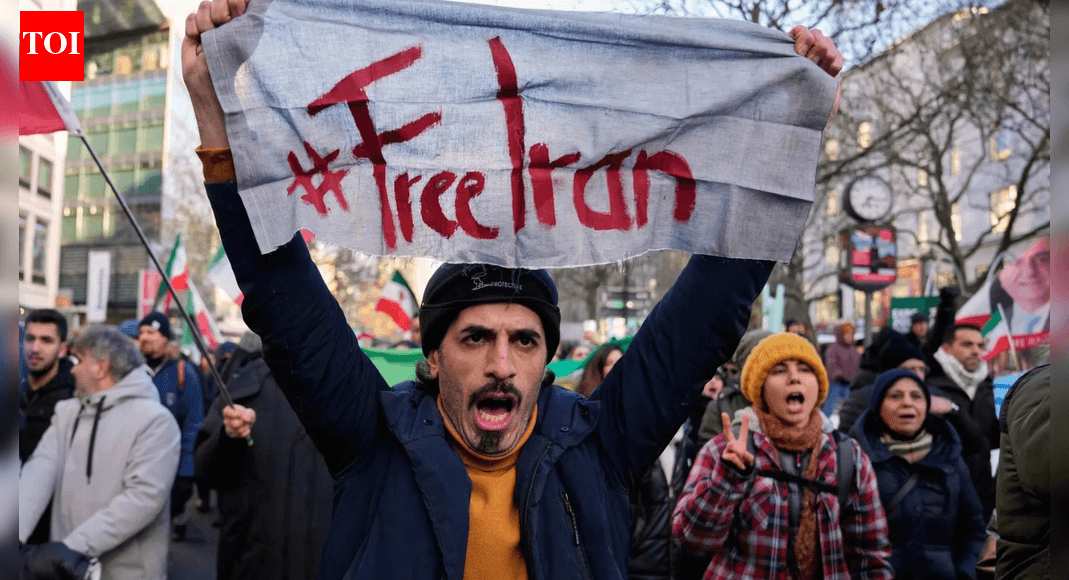
Widespread unrest in Iran was triggered by a sharp currency crash and a central bank decision that removed some importers’ access to cheaper dollars. The unrest has exploded into nationwide protests across all 31 provinces. Authorities responded with an intense security operation and an internet blackout that has hampered independent verification.
“The rial fell from about 42,000/dollar in mid‑December to over 1.1 million/dollar (peaking near 1.4 million).”
The Independent reports the rial fell from about 42,000 per dollar in mid-December to over 1.1 million per dollar, peaking near 1.4 million. Tabloid and regional outlets echoed this collapse and linked the economic shock to mass demonstrations.

The Mirror and Daily Express US describe unrest spreading nationwide after central bank changes and rising prices. The Guardian and BBC note the near-total communications blackout and official claims that authorities have "regained control."
Reported casualty figures
Rights groups and monitors report extraordinarily high death tolls from the security crackdown, with figures that vary across outlets but are consistently far higher than typical protest violence in Iran. The Guardian cites HRANA reporting at least 2,571 dead (about 2,403 protesters and 12 children) and more than 18,100 detained. The BBC cites HRANA reporting 2,417 protesters killed and at least 18,434 arrests.
Other outlets report government acknowledgements of at least 2,000 killed (The Mirror, Irish Mirror) and activist tallies of roughly 2,000 (Dynamite News). Some Iranian officials told Haaretz that casualty figures could be as high as roughly 3,000. These discrepancies underscore major divergence between sources and the limits on independent verification due to a communications blackout and restricted access.
Expedited prosecutions in Iran
Iran's judiciary has publicly vowed expedited prosecutions for those arrested, a pledge rights groups warn could lead to summary trials and executions. Multiple outlets cite judiciary chief Gholamhossein Mohseni-Ejei calling for swift action. Digital Journal reports Iran vowed fast-track, public trials and quoted Mohseni-Ejei saying those accused should be dealt with quickly.
“Iran vowed fast-track, public trials for people arrested in a massive wave of anti-government protests, with judiciary chief Gholamhossein Mohseni Ejei saying those accused of burning or beheading victims should be dealt with quickly.”
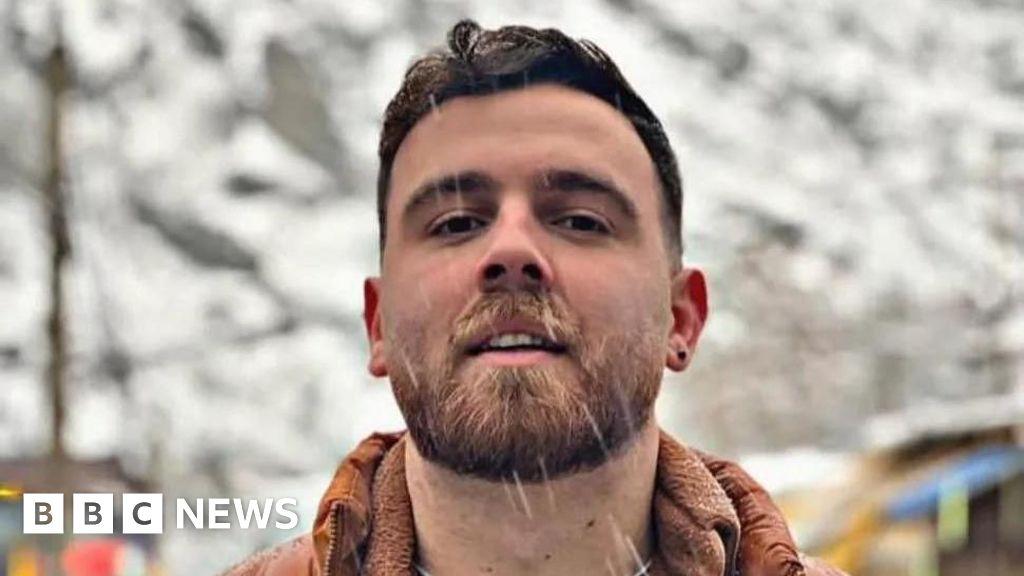
The South China Morning Post reports activists warn the push raises the risk of executions of detainees. The case of 26-year-old Erfan Soltani has become emblematic.
The Mirror, The Guardian and Sky News describe allegations that he was denied counsel, given only minutes with family, and faces imminent execution. Rights monitors say his case illustrates how expedited justice is being used to intimidate protesters.
Global responses to Iran crackdown
International reactions have been sharp but varied. Western governments and rights organizations condemned the crackdown and announced diplomatic measures. The U.S., and particularly former President Donald Trump, publicly urged continued protest and warned of 'very strong action' if Iran proceeds with hangings, and some outlets suggested implied military options.
ProtoThema and Digital Journal cite Trump urging Iranians to keep demonstrating and warning of heavy costs for 'murderers and abusers.' Sky News and The Guardian report he pledged 'help is on its way' and would take 'very strong action.' Haaretz and The Independent describe diplomatic summonses, evacuations, and regional military precautions taken by allied countries.

Alleged crackdown abuses and arrests
Human-rights organizations warn the crackdown involves widespread abuses beyond killings and fast trials.
“Human-rights groups say the government’s violent security crackdown on the unrest has killed at least 2,571 people.”
Reports include mass arrests, targeted attacks on protesters’ eyes, and alleged use of public executions and other brutal methods.

The Guardian and Haaretz cite monitors or medical staff describing targeted head and eye gunshot injuries and hospital overloads.
BBC and The Guardian document tens of thousands detained, with BBC reporting at least 18,434 arrests and The Guardian saying more than 18,100 detained.
Dynamite News and other outlets cite U.S. State Department figures of more than 10,600 arrests and allege plans for executions, illustrating large disparities in counts and reinforcing rights groups' warnings about opaque, rapid legal processes and possible violations of international law.