Iran-Israel09 January, 20263 min read
Iranian Revolutionary Guard Shoots Unarmed Protesters During Nationwide Uprising
This article is an automated aggregation of coverage from news outlets. Our editorials offer in-depth analysis curated by the NewsCord team.
IRGC units opened fire on largely unarmed protesters across multiple cities Millions protested nationwide, with merchant strikes and bazaar closures across Iran

8 outlets told this the same way.
Outlets did split on U.S. Intercepts Iran Message Activating Sleeper Cells After U.S.-Israel Strike Kills Khamenei →
Iran unrest and crackdown
Across multiple reports, Iran's nationwide unrest has been met with lethal force and severe restrictions on communications as security forces try to contain expanding demonstrations. The Independent reports at least 38 protesters killed and about 2,200 arrested after nearly two weeks of clashes, and Daily Kos reports the regime has used lethal force with claims of dozens or possibly hundreds killed. Other sources note internet shutdowns and measures to hinder documentation of the unrest.
“The government has imposed an internet and phone blackout and state media are portraying the unrest as the work of foreign ‘mercenaries,’ a narrative Khamenei echoed on television.”
Sky News and WION report wide mobilization and a government-imposed blackout or phone outage as part of the clampdown. Together these accounts indicate that security forces, including those linked to the state security apparatus, have used deadly means against protesters while attempting to sever lines of information.
Drivers of Unrest
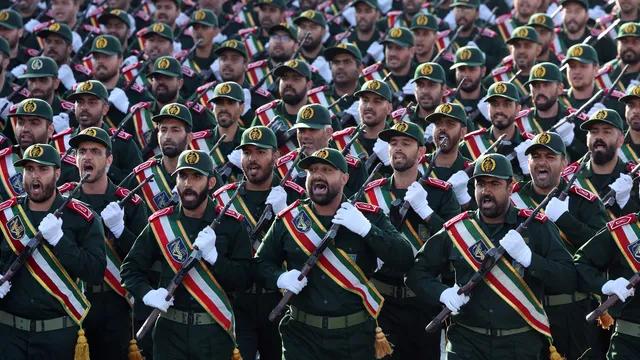
Analysts and news reports point to overlapping drivers behind the unrest — deep economic pain and a wider cultural and political backlash — while underlining the Revolutionary Guard’s entrenched role in the state. BGNES highlights that the Islamic Revolutionary Guard Corps (IRGC) has grown beyond a military force into a powerful parallel center of power in Iran, dominating sectors like construction, energy, ports and telecommunications, situating the IRGC as both an economic actor and a guarantor of the system.
Other accounts stress how economic collapse and cultural shifts have fuelled mass mobilization, with The Independent linking protests to a loss of oil income and a broader cultural shift (for example many women abandoning the mandatory headscarf) and Sky News pointing to soaring inflation, a collapsing currency and skyrocketing food prices as immediate grievances. RFE/RL and Daily Kos both connect economic failure and domestic priorities to the erosion of regime legitimacy and the protesters’ demands.

Official response and blackout
The official response has combined hardline rhetoric, security threats and information blackouts. WION reports that Supreme Leader Ayatollah Khamenei accused protesters of serving foreign interests, vowed the Islamic Republic would not back down, and linked the unrest to external pressure. Sky News notes state media portray the unrest as the work of foreign mercenaries and that Tehran’s prosecutor has threatened executions for those accused of waging war against God.
“Khamenei... accused protesters of serving foreign interests, vowed the Islamic Republic would 'not back down,' attacked US President Donald Trump and linked the unrest to external pressure amid sanctions and nuclear tensions.”
 WION
WIONIndependent, Daily Kos and NetBlocks/WION document the communications blackout, reporting that the government cut internet access, shut down the internet, and even turned off streetlights. NetBlocks reported a blackout that began Thursday and extended into Friday. These pieces show a consistent pattern of information control and securitized rhetoric across outlets, even as they diverge on how much the regime can rely on force.
Possible outcomes of unrest
Observers differ on whether the unrest will topple the regime or be met by brutal suppression. Some analysts cited by Daily Kos say the movement could reach a turning point if protests become overwhelmingly large and local security forces refuse to fire. RFE/RL's Goldstone argues the broader, cross-societal nature of the protests makes security forces less willing to open fire.
The Independent points to concrete signs of weakening control, noting falling mosque attendance and reports that some police units, notably in Abadan, reportedly joined protesters. Sky News cautions that hardliners are demanding decisive crackdowns and that repression could provoke international consequences. Background pieces like bgnes underline how entrenched institutions such as the IRGC remain central to the state’s capacity to respond, tempering optimistic scenarios.
