Iran-Israel13 January, 20262 min read
Iranian Security Forces Kill At Least 12,000 Protesters As Regime Deepens Blackout
Iranian security forces have killed thousands of protesters during nationwide unrest United States is weighing military action and urging Americans to leave Iran
17 outlets told this the same way.
Outlets did split on U.S. Intercepts Iran Message Activating Sleeper Cells After U.S.-Israel Strike Kills Khamenei →
Iran protests and crackdown
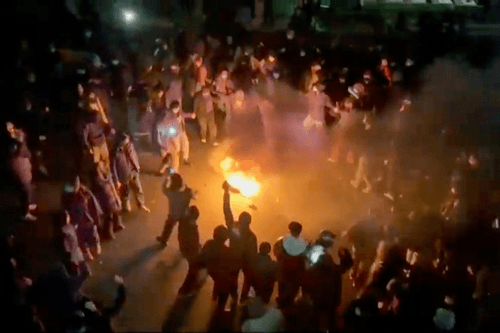
Since late December, Iran has seen sustained, nationwide anti-government demonstrations met by a sharp and widening security response and extensive communications blackouts that make independent verification difficult. Multiple outlets report heavy repression and an internet shutdown that obscures the scale of the violence, while Western and regional leaders have publicly condemned the crackdown and U.S. officials say they are considering strong options. Reports cite high civilian casualties alleged by opposition groups and regime claims of security-force deaths, but journalists and international monitors warn the figures are disputed and hard to confirm during the blackout.
“Iran’s semiofficial Tasnim agency reported 109 security personnel killed, authorities have not confirmed protester fatalities, opposition groups claim higher numbers, and Al Jazeera has been unable to independently verify either figure.”
Disputed casualty figures
Casualty figures differ sharply across sources. Some opposition or U.S.-based groups cited by outlets report deaths ranging from several hundred to around 2,000. Iranian semiofficial agencies and authorities report primarily security-force fatalities.
ABC News and some summaries of HRANA's reporting cite an HRANA figure of about 2,000 dead. WION cites HRANA reporting "more than 500 deaths". Sky News notes rights groups earlier reported at least 646 deaths.

An Iranian official told Reuters there were about 2,000 dead. Al Jazeera cites a Tasnim figure of 109 security personnel killed and says it cannot verify protester fatalities. Several sources explicitly state the numbers are disputed and unverifiable amid the blackout.
International responses to Iran
International responses are robust and varied: Western governments and the EU have summoned Iranian diplomats, condemned killings, and moved toward sanctions. Some officials warn that Tehran's cooperation with other powers could threaten regional security.
“The UK government rejected Tehran’s claim that recent protests are foreign‑inspired, voiced clear support for grassroots demonstrators and said it will avoid reinforcing the regime’s narratives while pursuing robust, cross‑party measures to protect UK interests and citizens.”
The UK, EU leaders and other states have publicly demanded an end to violence and communications blackouts, and Finland and other EU members summoned or sought to summon Iran's envoys. The U.S. signaled it is 'looking at' strong options and engaged in back-channel talks, even as governments weigh sanctions and diplomatic pressure.
Tehran's posture and unrest
Tehran's official posture mixes readiness for conflict with limited openness to talks. Iranian officials, including Deputy Foreign Minister Abbas Araghchi, are reported to have engaged with a U.S. envoy. State narratives blame foreign interference and describe many demonstrators as rioters.
Iranian sources say they remain 'prepared for all options' and are 'preparing for war'. The unrest is widely attributed to economic distress, including a collapsing currency and trade disruption, which several outlets cite as drivers of the protests and related dislocation.
