Full Analysis Summary
Iran protests and crackdown
Widespread anti-government demonstrations that began in late December have escalated into a nationwide crackdown in Iran, with rights groups and activists reporting at least 62 people killed amid heavy security responses and mass detentions.
Multiple outlets say the unrest started over economic grievances, notably a sharp fall in the rial and surging inflation, and spread from Tehran markets to scores of cities, with reports of bonfires, clashes and fires in the streets.
Rights monitors cited by CityNews Toronto, Greater Kashmir, CNA and Al Jazeera report casualty and detention figures in the dozens to low-sixties, while Newsweek and livemint note variation in specific verified counts due to a communications blackout that has limited independent confirmation.
Coverage Differences
Casualty figures/verification
Sources vary on the reported death toll and how many of the dead are protesters versus security personnel. CityNews Toronto and Greater Kashmir report at least 62–65 killed based on HRANA, while CNA and Al Jazeera cite HRANA’s breakdown of about 48 protesters and 14 security personnel; Newsweek highlights that other verifications (BBC Persian, Iran Human Rights) give lower or differing counts, reflecting constraints from the internet shutdown.
Cause and framing of unrest
Most outlets link the protests to economic triggers (a falling rial, inflation) but differ in emphasis on whether the unrest quickly broadened into anti‑regime demonstrations. Al Jazeera and CNA emphasize the economic origins that broadened to anti‑regime slogans, while Haaretz and some Western mainstream pieces stress the antigovernment and security aspects.
Information limitations/tone
Newsweek and CityNews Toronto explicitly note the near‑total communications blackout that hampers independent reporting; Haaretz and state‑aligned reporting focus more on official accusations and security developments, while West Asian outlets emphasize visuals from activists despite the blackout.
State accusations and reports
Iranian state media and senior officials framed the unrest as foreign-backed and criminal, repeatedly accusing the United States, Israel and 'monarchist' elements.
Supreme Leader Ayatollah Ali Khamenei denounced U.S. policy and blamed foreign interference, while state outlets and officials labeled protesters 'terrorists' or 'mercenaries for foreigners' and some judiciary figures threatened harsh punishments.
Haaretz, Al Jazeera, Greater Kashmir and CityNews Toronto reported those official accusations and the government's signal that security forces would crack down.
Coverage Differences
Attribution of blame
State and semi-official outlets report official accusations that the unrest is orchestrated by foreign enemies; Western outlets quote those accusations but often also report U.S. and other governments’ rejections. For example, Greater Kashmir and Haaretz relay Tehran’s claims of U.S./Israeli involvement, while Newsweek and CNA note U.S. rejection and the State Department’s responses.
Reporting of official rhetoric vs. independent claims
Articles distinguish between what officials assert and what rights groups or exiled figures claim. CityNews Toronto and Newsweek explicitly note officials’ accusations and juxtapose them with claims from exiled opposition figures like Reza Pahlavi and HRANA casualty counts, making clear which are government statements and which are reports or quotes from other actors.
Severity of punitive rhetoric
Some outlets (CNA, Greater Kashmir) explicitly report threats of death sentences or "tougher action", while others emphasize warnings and framing without detailing specific judicial threats.
Crackdown communications blackout
Security measures deployed during the crackdown included a near-total internet and communications blackout, mass detentions, and aggressive policing in major cities and provincial centers.
Multiple monitoring groups and news outlets reported connectivity plunging to roughly 1% of normal levels, flight cancellations, and disrupted phone systems, but activists managed to circulate short videos via Starlink and other workarounds.
Reports from CityNews, Al Jazeera, Newsweek, and LiveMint say the blackout constrained independent verification and likely aided security operations.
Coverage Differences
Extent and impact of communications blackout
All sources report a major communications cutoff, but they frame its purpose and impact differently: Newsweek and CityNews Toronto stress the blackout’s role in limiting independent reporting and potential cover for repression; Al Jazeera and CNA also quantify the drop in connectivity and name specific disruptions (flights, phones). Livemint notes travel impacts and airline cancellations, showing a practical consequence distinct from political analysis.
Reporting of activist documentation
Al Jazeera and CityNews highlight videos and short clips shared by activists despite the blackout; Newsweek mentions Starlink as a specific workaround that allowed some footage to surface, showing variation in what technical fixes are named.
Detentions and policing details
Several outlets (CityNews, Greater Kashmir, livemint) cite HRANA detention figures in the low thousands; CNA includes numbers of security personnel killed as reported by Tasnim, highlighting differing focus on detainee counts versus security casualties.
Global responses to Iran unrest
Western leaders and the UN urged restraint and independent investigations.
U.S. President Donald Trump offered strong support to protesters and warned of possible strikes if demonstrators are killed.
Germany, Britain and France jointly condemned Iran's killing of protesters and the UN human rights office called for accountability.
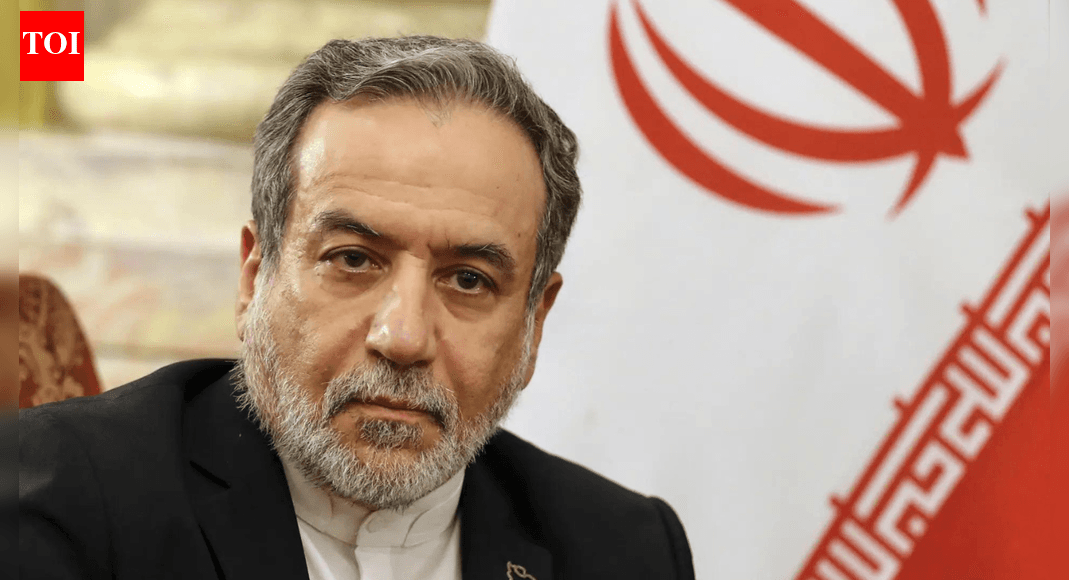
Iran dismissed foreign criticism as meddling, with Khamenei and Foreign Minister Abbas Araghchi blaming the United States and Israel, according to several reports.
Coverage Differences
Tone of international responses
Western government outlets and Newsweek emphasize calls for restraint, accountability and independent investigations (U.N., EU, Germany, Britain, France), while U.S. statements reported in CityNews and CNA include explicit threats of force or strong backing for protesters from President Trump. Al Jazeera and Haaretz relay both foreign condemnation and Tehran’s rebuttals — showing a split between diplomatic admonitions and hawkish U.S. rhetoric.
Rejection of foreign involvement claims
While Iranian officials insisted on foreign plots behind the unrest, Western outlets reported U.S. dismissal of those accusations and described Tehran’s framing as a means to justify repression. CityNews and Newsweek quote both the accusations and the U.S. response, making clear these are competing narratives.
Calls for external support vs. caution
Exiled opposition figures like Reza Pahlavi (reported in Newsweek and CityNews) urged international action and denounced the blackout, while some analysts cautioned against overestimating the likelihood of regime collapse, a nuance highlighted in Newsweek’s analysis section.
Iran protests and reactions
Analysts and rights advocates warn the crackdown could mark one of the most serious domestic challenges to Iran’s clerical rulers in years, but they differ on prospects for regime change.
Newsweek and CNA present a cautious analysis that, while the unrest erodes legitimacy, it does not automatically signal imminent collapse and point to Iran’s fragmented centers of power.
By contrast, rights groups and exiled figures quoted by CityNews and Greater Kashmir portray the protests as a pivotal moment and call for stronger international pressure.
The communications blackout, conflicting casualty lists, and government accusations make independent assessment difficult and leave key questions unresolved.
Coverage Differences
Assessment of regime vulnerability
Newsweek and CNA adopt a cautious, analytical tone, warning that the 1979‑style collapse is unlikely due to Iran’s dispersed power structures; rights‑group‑oriented pieces (CityNews, Greater Kashmir) and exiled opposition voices emphasize the scale and historic significance of the unrest, implying higher potential for systemic change.
Calls for investigations and accountability
International bodies and some outlets (Newsweek, CNA, Al Jazeera) emphasize calls for independent investigations and accountability for deaths; state and pro‑regime reporting foregoes these demands and focuses on security and punitive measures.
Information gaps and verification
All sources note that the blackout and arrests created large verification gaps; Newsweek explicitly lists divergent counts (BBC Persian, Iran Human Rights, HRANA) to illustrate the uncertainty.