Iran-Israel01 January, 20262 min read
Iranian Security Forces Kill at Least Six Protesters in Violent Crackdown
Security forces opened fire with live ammunition against protesters. At least six protesters were killed across multiple provinces during the unrest.

16 outlets told this the same way.
Outlets did split on U.S. Intercepts Iran Message Activating Sleeper Cells After U.S.-Israel Strike Kills Khamenei →
Iran protests and unrest
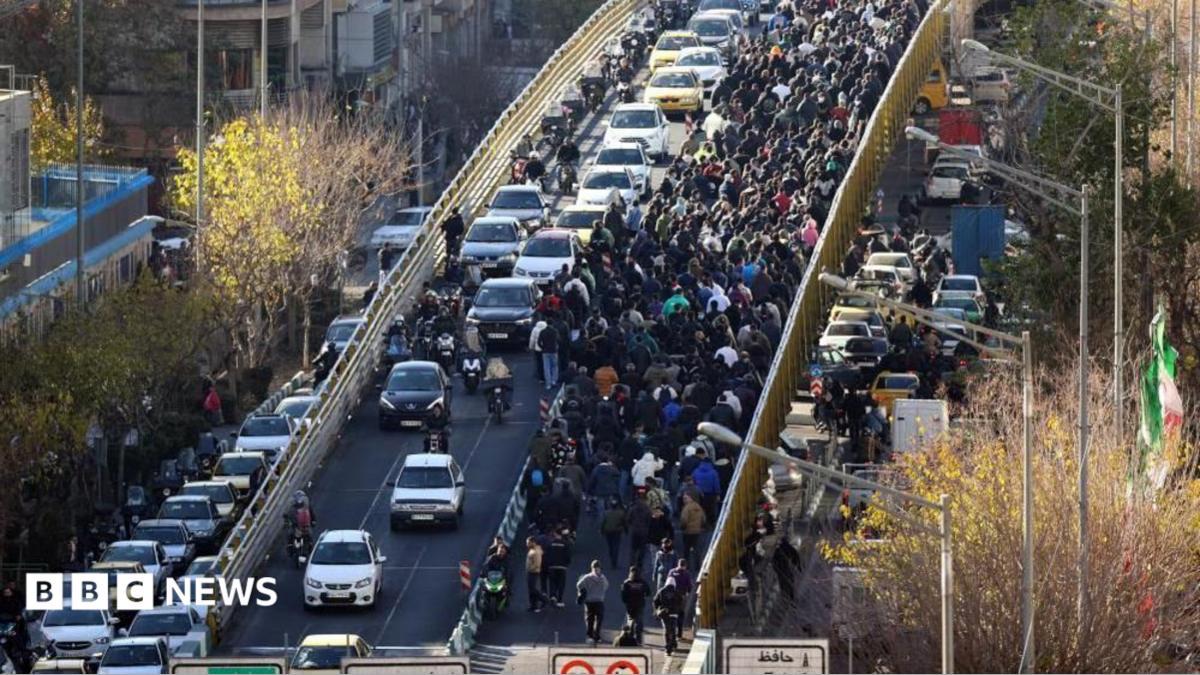
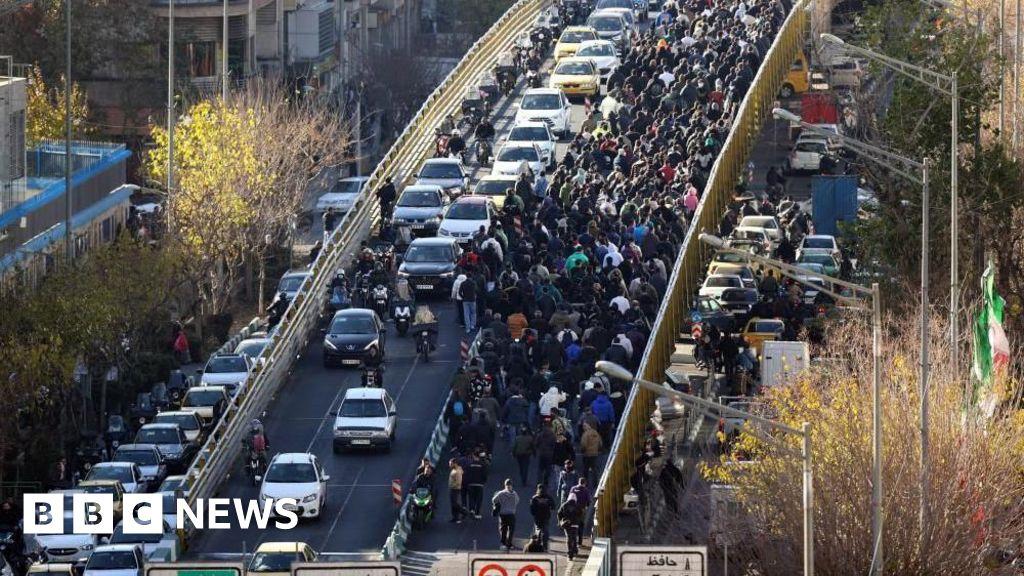
Widespread protests over soaring prices and a collapsing currency have entered a fifth day in Iran. Security forces moved to suppress demonstrations that began in Tehran and spread into rural provinces, while multiple outlets reported deadly clashes and numerous arrests. Coverage varies on the death toll and the scale of the unrest.
“Deadly nationwide protests have erupted across Iran in response to soaring inflation and the collapse of the rial, marking the most serious unrest since 2022.”
Sources report fatalities in towns including Lordegan, Azna, Kuhdasht and Fooladshahr amid images and videos showing violent confrontations and street gatherings. The unrest is widely linked to deep economic strain — high inflation and a plunging rial — and has drawn in shopkeepers, students and other groups across several provinces.

Disputed casualty reports
Reports conflict about who was killed in specific incidents. State outlets and authorities framed some victims as security personnel or Basij members. Rights groups and local activists say protesters were shot by security forces.
Names and local details appear in some reports. The Daily Mail mentions an individual identified by authorities as 'Amir-Hesam Khodayari-fard' and notes rights groups disputed the claim. Rights monitors such as Hengaw and HRANA are cited by multiple outlets as contesting official accounts.

Economic causes of unrest
Sources consistently tie the proximate causes of the unrest to economic grievances, citing steep inflation, a collapsing rial, pressure from sanctions, and recent strikes. Reports say the unrest began with shopkeepers and then spread to students and other groups. Outlets differ on the scale: some quantify inflation at roughly 40% to 52% and note sharp food-price increases, and analysts quoted in several pieces warn that the decentralized, economically driven protests are politically significant even without a single leadership.
“The unrest — the biggest since the 2022 protests after Mahsa Amini’s death — comes at a sensitive moment for the clerical leadership amid roughly 40% inflation and recent Israeli and U.S. strikes on Iranian sites.”
Iran: security and dialogue
Iranian authorities combined heavy security measures with gestures toward dialogue. Multiple outlets reported deployments of riot squads, roadblocks, arrests and the use of live fire in some places. Outlets also recounted statements from government spokespeople and President Masoud Pezeshkian about opening direct talks with vendors and unions.
State media reported seizures and arrests described as linked to 'monarchists' or foreign networks. Rights groups reported detentions and transfers to prisons such as Evin for some protesters.
Political and international coverage
Political and international dimensions are prominent in coverage. State outlets and officials blame 'monarchists' and foreign enemies. Exiled opposition figures and foreign politicians voiced support for demonstrators in some accounts.
“State TV also reported confiscating 100 smuggled pistols and the arrest of seven people it described as monarchists or linked to Europe.”
Analysts warn the protests could become an existential challenge if they spread into rank-and-file security forces. Sources vary in tone, ranging from tabloid dramatization to analytical warnings, and several note press restrictions and uneven verification of incidents.