Full Analysis Summary
Iran crackdown and media trust
Documents reviewed by Iran International’s editorial board assert that more than 36,500 Iranians were killed by security forces during the January 8–9 crackdown on nationwide protests.
Iran International describes the events as the deadliest two-day protest massacre in history.
The outlet also reports that the regime’s state broadcaster, IRIB, has lost public trust, citing a 2024 state-run ISPA survey finding only 12.5% of Iranians get news from the broadcaster and just 11.5% watch its films and TV series.
The Jerusalem Post’s coverage cites Iran International’s casualty figure while noting other outlets and figures and emphasizing that the broader picture of casualties remains contested across reporting channels.
This reporting frames the January 8–9 events as an extreme, large-scale use of lethal force and as part of a wider collapse of official information channels inside Iran.
Conflicting casualty reports
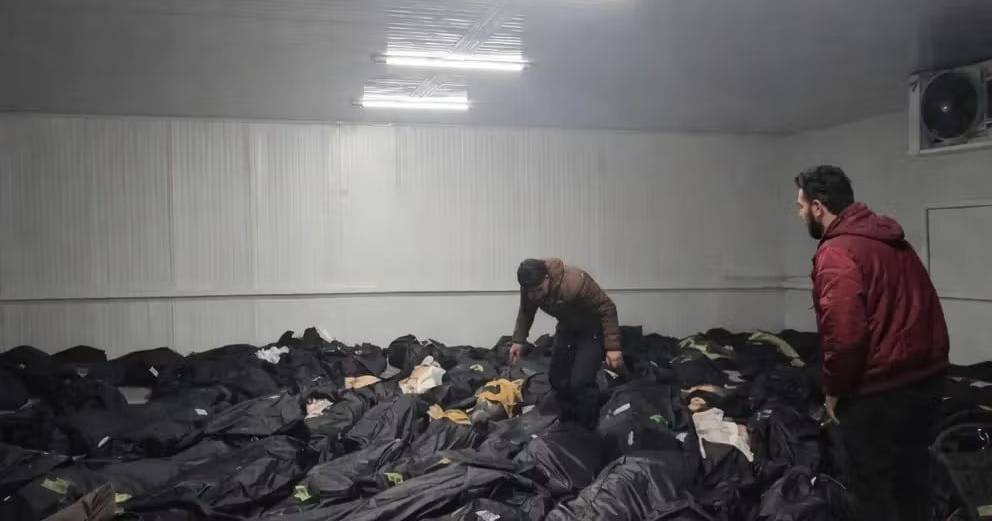
jpost cites visual and on-the-ground reporting, including a video (attributed to the Times) showing nearly 300 bodies laid out on sidewalks outside a morgue as relatives waited to collect the dead.
Rights group HRANA has confirmed 5,459 deaths and is investigating more than 17,000 additional cases.
Iran International's documentation and reporting—cited by jpost and in its own piece—offers a far larger fatality estimate and cites medical staff, families and new documentation.
Collectively, these sources present both concrete footage and sharply divergent tallies, underscoring how different evidentiary forms (video, rights-group lists, internal documents) produce varied narratives and degrees of certainty.
Allegations of mass killings
Multiple outlets, as summarized by jpost, allege the regime has begun carrying out executions and that some injured people were shot lethally after reaching hospitals.
Israeli reporting framed the night of January 8 as among the deadliest in Iran’s history, alleging the regime 'murdered thousands, possibly tens of thousands'.
Iran International’s coverage situates such allegations in the broader claim of a mass, two-day slaughter and pairs it with domestic indicators of delegitimization of state media.
The overlapping allegations of extrajudicial killings and post-injury shootings deepen the gravity of the claims across sources even as the exact numbers remain disputed.
Coverage Differences
Severity and legal framing
jpost (Israeli) reports multiple outlets’ allegations of executions and lethal shootings in hospitals and includes strong language—quoting Israeli coverage that the regime 'murdered thousands, possibly tens of thousands'—while Iran International (West Asian) frames the events as a 'massacre' and highlights institutional collapse (IRIB’s loss of authority). Both depict severe abuses, but jpost foregrounds external characterizations and allegations, and Iran International foregrounds its document-based indictment and domestic consequences.
Attribution and reporting stance
Iran International (West Asian) asserts a direct finding from its own document review and reportage; jpost (Israeli) aggregates and attributes claims to 'multiple outlets and sources' and to Israeli reporting—making clearer when statements are reports or quotes rather than the outlet’s own investigative conclusion.
Reporting differences and uncertainty
Available reporting highlights both active investigations and substantial uncertainty.
HRANA, cited by jpost, is described as having confirmed 5,459 deaths and as investigating more than 17,000 additional cases, while Iran International’s document review and reporting points to a far higher total tied to the collapse of state media credibility and widespread public disengagement from IRIB.
Together, the pieces show competing evidentiary bases—rights-group lists, visual footage, and internal documents—and differing journalistic approaches shaped by each outlet’s perspective and sourcing.
Iran International foregrounds internal documentation and social trust indicators, while jpost aggregates external footage, rights-group tallies, and other outlets’ reporting.