Full Analysis Summary
Reported Iran protest deaths
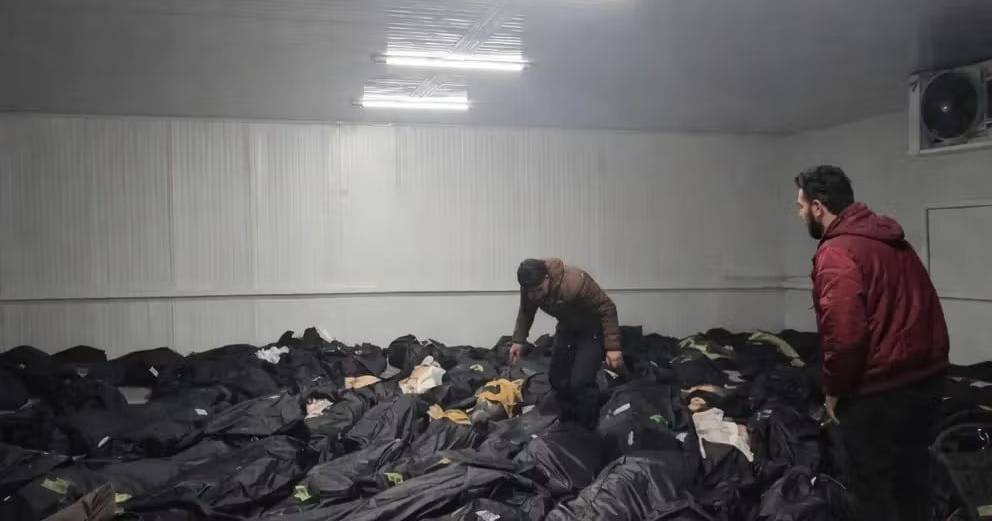
Iran International reports that documents reviewed by its Editorial Board assert more than 36,500 Iranians were killed by security forces during the January 8–9 crackdown on nationwide protests.
The outlet describes those two days as the deadliest two-day protest massacre in history.
The figure is presented as Iran International's finding based on the documents it reviewed.
The report frames the event as an exceptionally lethal state response, emphasizing the scale and severity of the killings and identifying the dates and the actor responsible per the reviewed documents.
Coverage Differences
Limited-source / single-source reporting
Only Iran International (West Asian) is available among the provided sources. Therefore it is not possible to compare how Western Mainstream or Western Alternative outlets characterize the casualty figures, responsibility, or legal framing (e.g., terms like "massacre" or "genocide"). The claim in Iran International is presented as its Editorial Board's assessment of documents; the article reports these figures rather than quoting another organization's independent verification.
IRIB credibility crisis
The Iran International piece highlights a collapse in the authority and trustworthiness of state broadcaster IRIB, arguing that years of manipulation, omission, and public distrust have left it filling airtime but no longer commanding viewers.
The article links this media credibility collapse to wider social and political disengagement, suggesting official channels are losing reach as many Iranians migrate to other outlets or abandon state media altogether.
Coverage Differences
Tone and emphasis within available source
Within the single available report, Iran International frames the IRIB’s decline as symptomatic of broader public distrust and political fallout from the protests and crackdown. Because no other outlets are provided here, it is not possible to contrast this framing with state media narratives (which the article says are collapsing) or alternative international depictions.
Declining state media trust
Iran International cites a 2024 state-run ISPA survey showing only 12.5% of Iranians get news from the state broadcaster and just 11.5% watch its films and TV series.
The report says many viewers are "migrating to other outlets, disengaging, or stopping watching altogether," and uses these statistics to link high reported casualty figures and public anger to declining trust in state-controlled media.
Coverage Differences
Evidence and sourcing clarity
Iran International attributes the audience figures to a 2024 state-run ISPA survey; this is a cited source within the article but no independent external sources are provided here to corroborate either the casualty figures or the survey results. As such, the reporting relies on documentary review and a cited survey rather than multiple independent confirmations.
Need for independent verification
Only Iran International's reporting is provided here, so key questions remain unresolved and require independent verification.
These questions include the methodology and provenance of the reviewed documents, whether independent monitors or other governments corroborate the claimed 36,500-plus death toll, and the appropriate legal or human-rights classifications of the events.
Because reporting is single-source, it is impossible to show differences in narrative, legal framing, or casualty estimates across West Asian, Western mainstream, or Western alternative outlets, and this lack of corroboration should be clearly stated when presenting the claimed figures.
Coverage Differences
Ambiguity and need for verification
The article itself reports its findings from reviewed documents and cites a state-run survey for media metrics, but without other provided sources it is ambiguous how widely accepted these casualty figures or characterizations are. The reporting is clear about its own source (documents reviewed by Iran International's Editorial Board), but absence of other sources prevents cross-source comparison.
Single-source report caution
Iran International's reporting attributes a very high death toll to the January 8-9 security force crackdown and presents related evidence of erosion in state media credibility.
Because no other source material was provided for this request, these claims must be treated as the findings of a single outlet pending independent corroboration.
Readers should be informed of the limited source base and the need for further verification before treating the casualty figure and related characterizations as established fact.
Coverage Differences
Source limitation and recommended caution
The only available perspective is Iran International (West Asian). This means we cannot demonstrate contrasting framings or alternative casualty counts from Western Mainstream or Western Alternative outlets, nor can we identify direct contradictions. The article reports its own document-review findings rather than quoting external organizations for the casualty figure.