Full Analysis Summary
Iran protests and crackdown
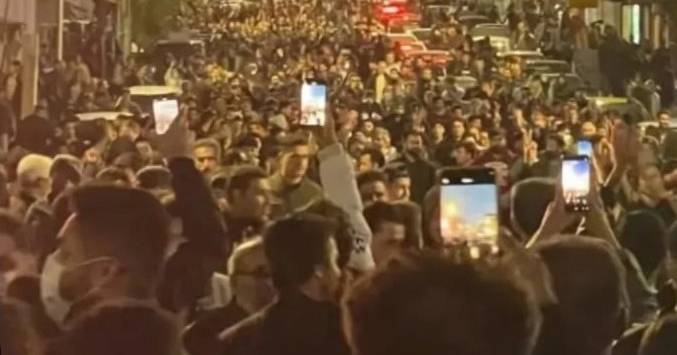
Protests in Iran have entered an 11th day after a sharp fall in the rial.
The unrest began with traders reacting to the currency collapse and has widened from economic grievances into a broader nationwide uprising.
Significant clashes have been reported in Kurdish regions, including Kermanshah and Ilam.
The Guardian reports heavy confrontations and a rising death and arrest toll, and Iran International corroborates heavy local violence with on-the-ground accounts of security forces opening fire in western towns.
Both outlets document casualties and arrests, and human rights groups and local agencies report dozens killed and thousands detained amid continuing mass protests and strikes across cities and Kurdish provinces.
Coverage Differences
Tone and emphasis
The Guardian (Western Mainstream) frames the unrest as protests that began with economic grievances and have widened, emphasizing spread and clash locations such as Kermanshah and summarizing casualty figures from HRANA; ایران اینترنشنال (Iran International, West Asian) focuses more on immediate, on-the-ground violent incidents in western towns like Malekshahi and Ilam, providing graphic details of shootings and hospital raids. The Guardian reports the broader national context and official responses while Iran International highlights eyewitness accounts and detailed allegations of abuses at specific sites.
Ilam hospital raid coverage
The Ilam incident, central to the current outrage, is described in Iran International as a forceful raid on Imam Khomeini Hospital after security forces allegedly opened fire on protesters in Malekshahi.
Iran International reports the hospital was blocked from receiving public blood donations.
The report says injured demonstrators were removed and arrested, and bodies were reportedly seized to prevent public mourning.
Amnesty and medical staff are quoted describing tear-gassing, shotgun use, beatings and arrests inside the hospital.
The Guardian notes the president has ordered probes into videos of a hospital raid and the health minister urged medical neutrality, indicating Tehran has at least formally responded to claims even as independent reporting and eyewitness accounts allege direct abuses by security forces.
Coverage Differences
Reporting detail vs. official response
ایران اینترنشنال (West Asian) relays detailed eyewitness and medical-staff allegations about the Ilam hospital raid, including claims of blocked donations, arrests of injured people and attempted seizure of bodies, and cites Amnesty and medical staff. The Guardian (Western Mainstream) reports the government's formal move — President Pezeshkian ordering probes — and highlights an official blend of conciliation and warning. Thus Iran International foregrounds alleged abuses and specific on-site accounts while The Guardian emphasizes the broader national reporting and the official investigatory response.
Tehran concessions and crackdown
Tehran's response combines public concessions and escalatory security posturing.
The Guardian describes a 'carrot-and-stick' approach, noting President Pezeshkian doubled the monthly subsidy for breadwinners while the military warned it would act if foreign powers intervened and accused 'enemies' of planning riots.
Iran International documents domestic hardening, with state bodies emphasizing missile drills and a new Defense Council warning of possible pre-emptive action.
Analysts say missiles are being foregrounded as a deterrent while the nuclear program is being downplayed.
Both sources report tightened internet controls, mass arrests, and heavy censorship that constrain independent reporting and protest organization.
Coverage Differences
Narrative emphasis: concession vs militarization
The Guardian (Western Mainstream) highlights the government’s mixed response — both socioeconomic concessions (doubled bread subsidies) and public military warnings. ایران اینترنشنال (West Asian) stresses an apparent shift toward militarization and deterrence, noting ballistic-missile activity, drills and warnings from a newly formed Defense Council; it further discusses analysts’ readings that missiles are being emphasized while nuclear issues are downplayed. In short, The Guardian frames both soft and hard responses; Iran International foregrounds the hardening security posture and suppression measures.
Coverage of protests
Observers differ on the scale and political framing of recent demonstrations.
The Guardian notes these demonstrations remain smaller than the 2022 Mahsa Amini movement but are spreading, citing Kurdish calls for strikes, exiled political figures urging unified protests, and student involvement in Kermanshah.
Iran International (ایران اینترنشنال) underscores sustained strikes, bazaar closures, planned work stoppages in Kurdish areas and continued Tehran gatherings, while noting a brief conciliatory media window followed by hardline remarks from Supreme Leader Khamenei that hardened official rhetoric.
Both sources indicate uncertainty over the protests' trajectory, saying they are intensifying in places but that national durability and ultimate political effect remain ambiguous amid severe crackdowns and information restrictions.
Coverage Differences
Scale comparison and political framing
The Guardian (Western Mainstream) explicitly compares the current unrest to the 2022 Mahsa Amini protests, describing the current protests as smaller but spreading and highlighting calls from Kurdish parties and exiled figures like Reza Pahlavi. ایران اینترنشنال (West Asian) places more emphasis on concrete ongoing disruptions (bazaar closures, work stoppages) and a shift from limited conciliatory coverage to hardened rhetoric from Khamenei. Both note continued strikes and mobilization, but The Guardian frames it relative to past nationwide movements while Iran International focuses on immediate, localized actions and state media shifts.