Protests11 January, 20263 min read
Iranian Security Forces Kill Scores of Protesters in Nationwide Crackdown Amid Internet Blackout
At least 116 people killed in nationwide protests, activists and rights groups report Security forces shot and killed protesters, witnesses and medics report

30 outlets told this the same way.
Outlets did split on France Suspends Police Stun Grenades at High School Protests After 15-Year-Old Loses Hand →
Nationwide protests overview
Mass anti-government demonstrations that began in Tehran on Dec. 28 have expanded into a nationwide protest movement over collapsing living standards and the rial.
“Nationwide anti-government protests in Iran continue despite internet and phone blackouts, with mounting deaths and arrests and officials threatening harsh, even capital, punishment while the U.S. and exiled opposition publicly back demonstrators.”
Rights groups and inside monitors report scores to well over a hundred deaths and thousands detained.

Authorities have imposed a sweeping communications blackout.
Multiple outlets report that the unrest spread across most provinces and cities, and activists and monitors say the protests reached hundreds of locations.
Hospitals in some cities were overwhelmed with wounded, but casualty and arrest tallies vary between sources because independent verification is hampered by disrupted communications.
The government has framed the unrest as violent and tied it to foreign interference.
Exiled opposition figures and some foreign leaders publicly encouraged demonstrators, heightening tensions and increasing the risk of an intensified security response.
Security crackdown and casualties
Multiple human-rights groups, local medical sources and some international outlets described a brutal security response using live ammunition, shotguns, pellet rounds and beatings. The violence produced severe head, neck and eye injuries and overwhelmed hospitals in several cities. CNN and other reports cite hospital staff and pro-reform outlets describing widespread, severe gunshot and pellet injuries, including head and neck wounds and hundreds of pellet-in-eye cases.
AP-based reporting notes incidents in which people at a single hospital were shot with live rounds and later died. Independent monitors and the BBC reported bodies delivered en masse to morgues in certain cities, underscoring the scale and intensity of the repression described by rights groups and medical staff.

Disputed narratives of unrest
Iranian authorities and state media portray the unrest as violent, organized and driven by foreign interference, and they have detained people described as 'armed rioters'. Officials and state-linked outlets accuse external actors of fomenting unrest and report arrests of alleged ringleaders and foreign agents. The attorney-general and other judicial officials have invoked religious charges such as mohareb, meaning 'enemy of God', which can carry the death penalty.
“HRANA reported more than 2,300 arrests over 13–14 days and warned true figures may be higher because of a nationwide internet blackout.”
Rights organizations and exile networks, however, portray the protests as largely civilian and driven by economic grievances and opposition to clerical rule. Rights groups also catalogue mass arrests and casualties and warn of severe repression.
International reactions to unrest
The unrest has prompted sharp international reactions and mixed diplomatic signals. Senior U.S. political figures publicly expressed solidarity and warnings. Some reports say the White House was briefing and reviewing options.
European leaders urged restraint and some regional actors engaged diplomatically. Former President Donald Trump and others publicly said the U.S. 'stands ready to help' protesters. Some outlets reported U.S. officials privately discussed contingency options, though several sources cautioned that no strike decision had been made.
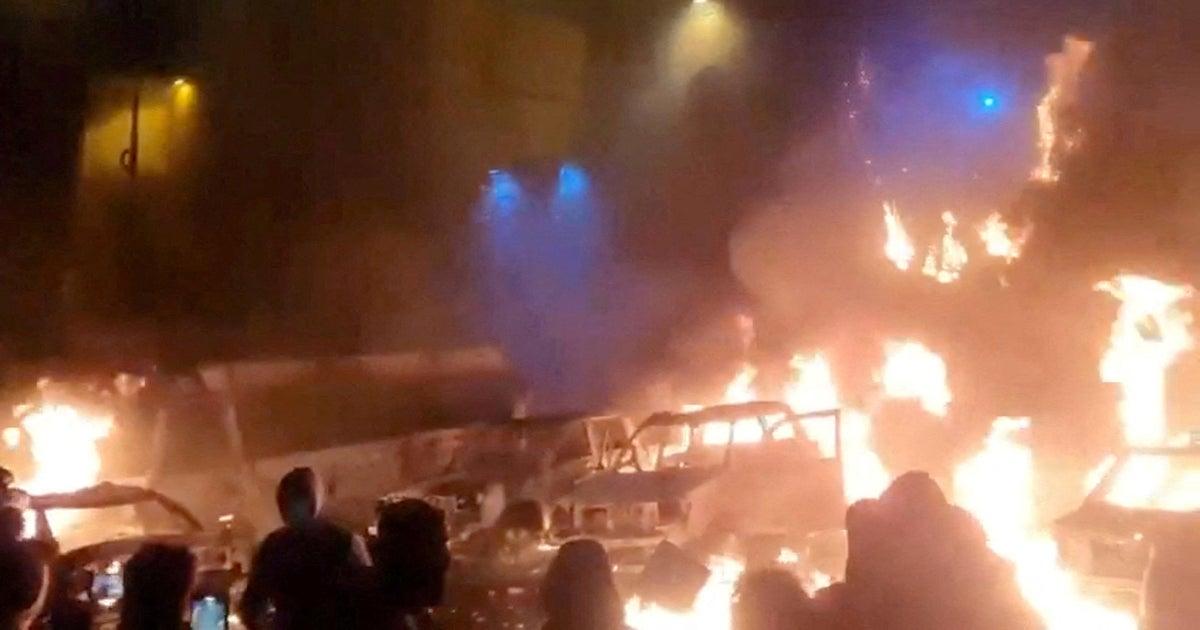
European officials condemned killings and called for restraint. At the same time, Iranian leaders accused foreign powers of interference, escalating the diplomatic standoff.
Communications blackout during crisis
A near-nationwide internet and phone blackout has been a central feature of the crisis, with NetBlocks, Amnesty and local monitors reporting that connectivity plunged or was largely cut for many hours. This restriction has both hindered independent reporting and likely complicated protesters’ organization and emergency response.
Different outlets cite varying blackout durations — reports range from roughly 36 hours to more than 60 hours — and analysts warn that such network shutdowns are blunt tools that deepen humanitarian risks and obstruct verification. As a result, most casualty and arrest figures remain disputed and provisional, and the full human cost and longer-term political fallout remain uncertain.
