Iran-Israel02 January, 20262 min read
Iranian Security Forces Kill Seven Protesters Amid Widening Nationwide Unrest
Security forces' clashes with protesters killed at least seven people across multiple provinces Collapsing rial and soaring inflation triggered nationwide demonstrations by shopkeepers, students, and traders

26 outlets told this the same way.
Outlets did split on U.S. Intercepts Iran Message Activating Sleeper Cells After U.S.-Israel Strike Kills Khamenei →
Iran economic unrest
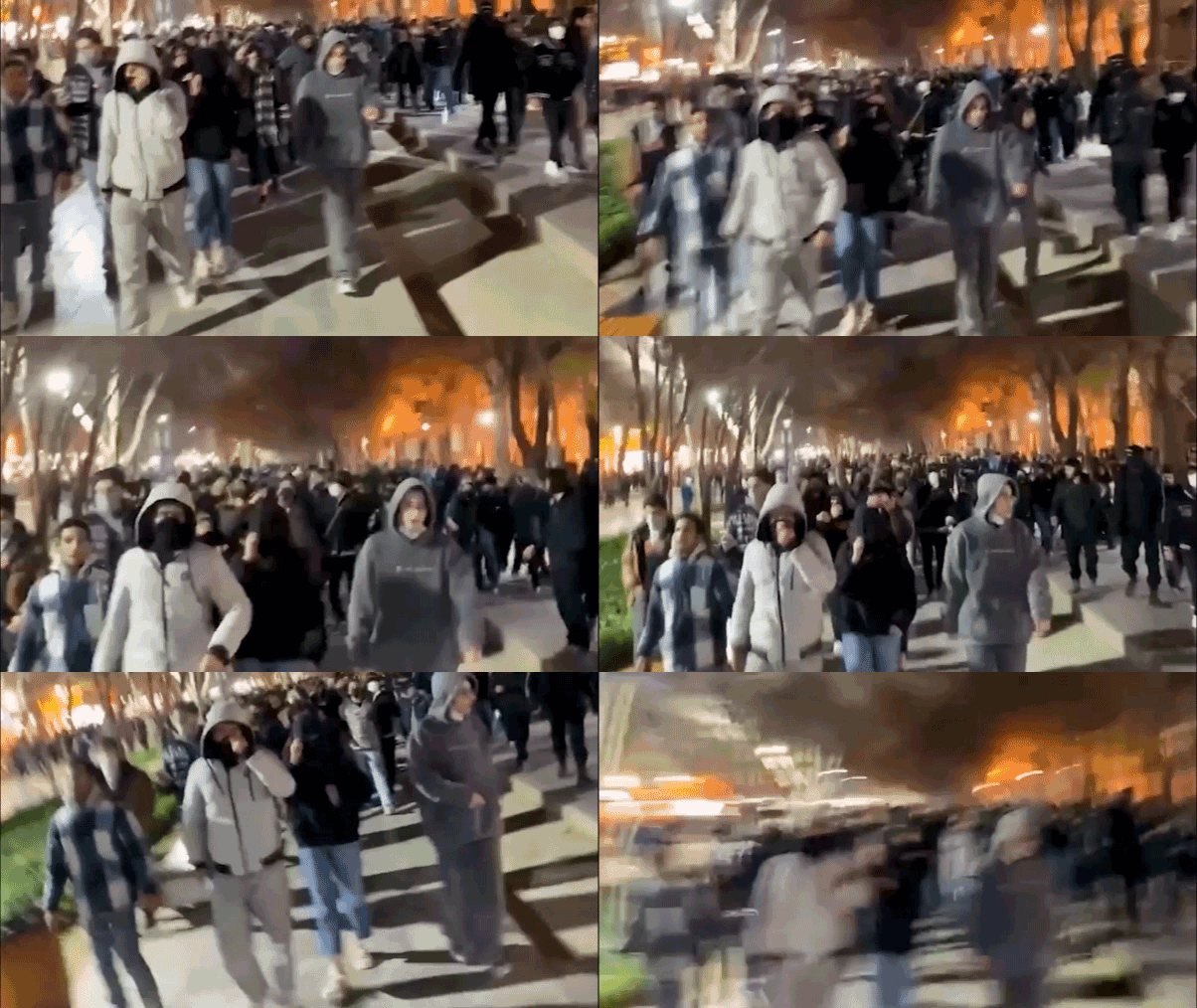
Widespread protests have erupted across Iran over several days, driven by a deepening economic crisis. They began with shopkeepers in Tehran and expanded to include students and broader public demonstrations in multiple provinces. Rights groups and state-linked media reported at least seven people killed amid clashes between demonstrators and security forces.
“Nationwide protests in Iran have sharply escalated around the New Year, with clashes between demonstrators and security forces leaving several protesters and at least seven others dead, according to state-linked media and rights groups.”
Sources describe the unrest as intensifying around the New Year, with protesters chanting political slogans and taking solidarity actions such as bazaar closures. Authorities acknowledge economic grievances and say they will engage with merchants and trade unions. Observers characterize the unrest as one of the largest movements since the 2022 Mahsa Amini protests, although outlets differ on the current scale and lethality.

Disputed protest deaths
Casualty counts and responsibility for deaths remain contested. State-affiliated outlets and Iranian security organs reported fatalities among security personnel and a Basij volunteer.
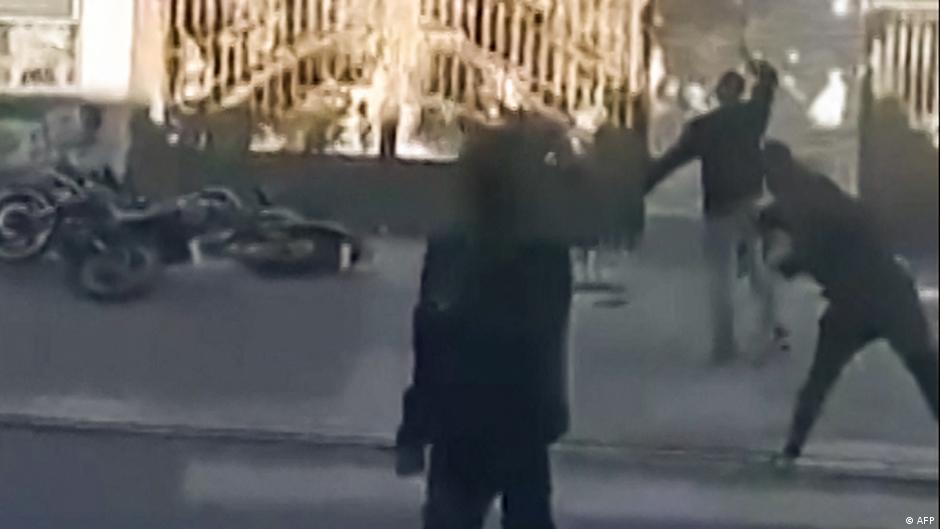
Rights groups and activist monitors say protesters were shot dead by security forces in several towns, including Lordegan, Azna and Isfahan. International outlets repeatedly note verification limits amid restricted media access and internet slowdowns, and some wire services cautioned they could not independently confirm all reported deaths.
Economic crisis and response
Economic collapse and soaring prices are cited across sources as the principal triggers; outlets report the rial plunging to roughly 1.38–1.45 million per US dollar and inflation in the 40–50% range, while food and health costs have jumped sharply. The government has responded with a mix of technical fixes and personnel moves, including reappointing a central bank figure, pledges to move toward a single exchange rate, and promises of cash subsidies and banking reforms, measures some protesters call insufficient. Analysts and several outlets link the crisis to long‑running Western sanctions, regional tensions and policy choices that have drained reserves and weakened purchasing power.
“Trigger: sharp currency volatility (dollar briefly ~1.45M rials) aggravated inflation and purchasing-power loss, fueling broader anger about economic insecurity and governance.”
Government response and repression
Authorities have mixed conciliatory language with security measures: governments announced nationwide or provincial shutdowns and public-holiday declarations in an apparent attempt to limit movement, offered talks with merchants and unions, and pledged economic responses. Security forces and the IRGC have been heavily deployed, with reports of arrests and transfers to prisons including Evin. Independent reporting is hampered by communications restrictions in some areas and by conflicting state and activist accounts.
Political and media reactions
International and political reactions to the unrest vary. Some Western outlets describe the unrest as large but not yet matching the nationwide scale or lethality of the 2022 Mahsa Amini protests. Regional and opposition-oriented outlets emphasize regime vulnerability and report strong vocal support from exiled figures and foreign politicians.
“While large, the protests are currently less widespread and lethal than the 2022 Mahsa Amini demonstrations.”
Reports note that social media amplified footage of the events. Some protesters invoked anti-regime slogans and royalist symbols, drawing both domestic and international attention.