Iran-Israel14 January, 20263 min read
Iranian Security Forces Kill Thousands, Shut Down Internet and Halt Travel to Kurdistan
This article is an automated aggregation of coverage from news outlets. Our editorials offer in-depth analysis curated by the NewsCord team.
Security forces killed more than 2,000 protesters during the crackdown Authorities imposed a nationwide internet blackout while activists relied on Starlink satellite links

32 outlets told this the same way.
Outlets did split on U.S. Intercepts Iran Message Activating Sleeper Cells After U.S.-Israel Strike Kills Khamenei →
Iran protests and crackdown
A wave of nationwide protests in Iran has been met with a severe security response, including a near-total communications blackout, mass arrests, and a reported high death toll.
“Protests and internet blackouts in Iran — especially in the western Kurdish (Rojhelat) areas — have sharply reduced cross-border travel and tourism with Iraq’s Kurdistan Region.”
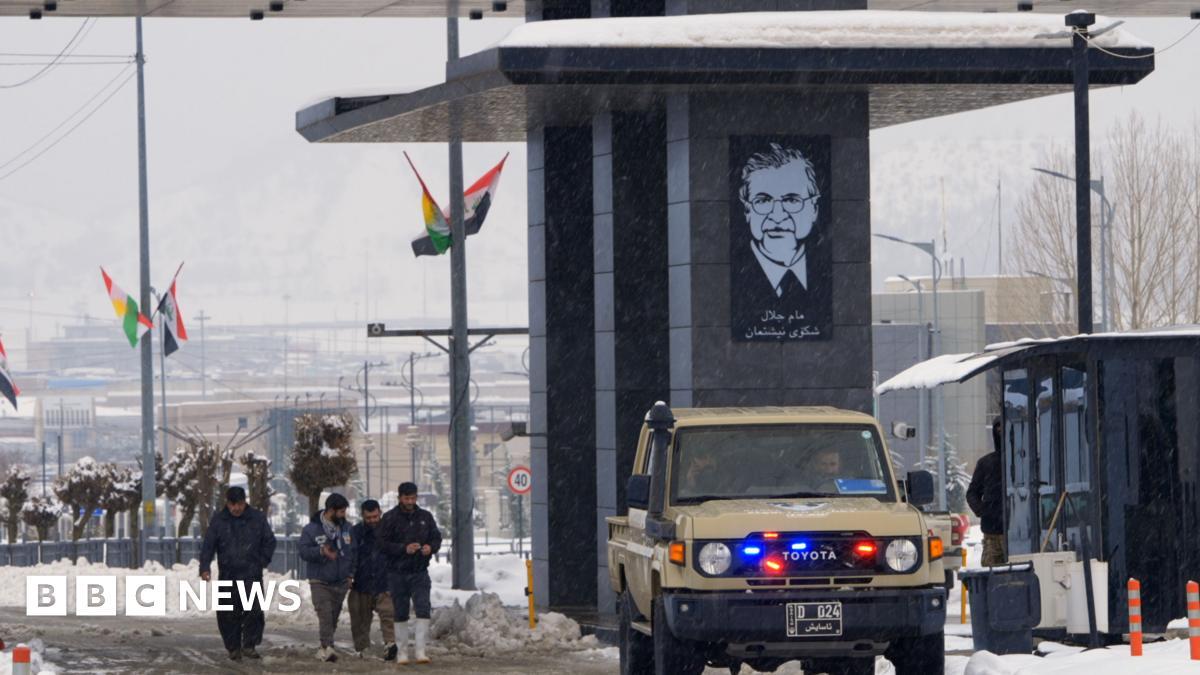
The unrest has sharply reduced cross-border travel to Iraq's Kurdistan Region.
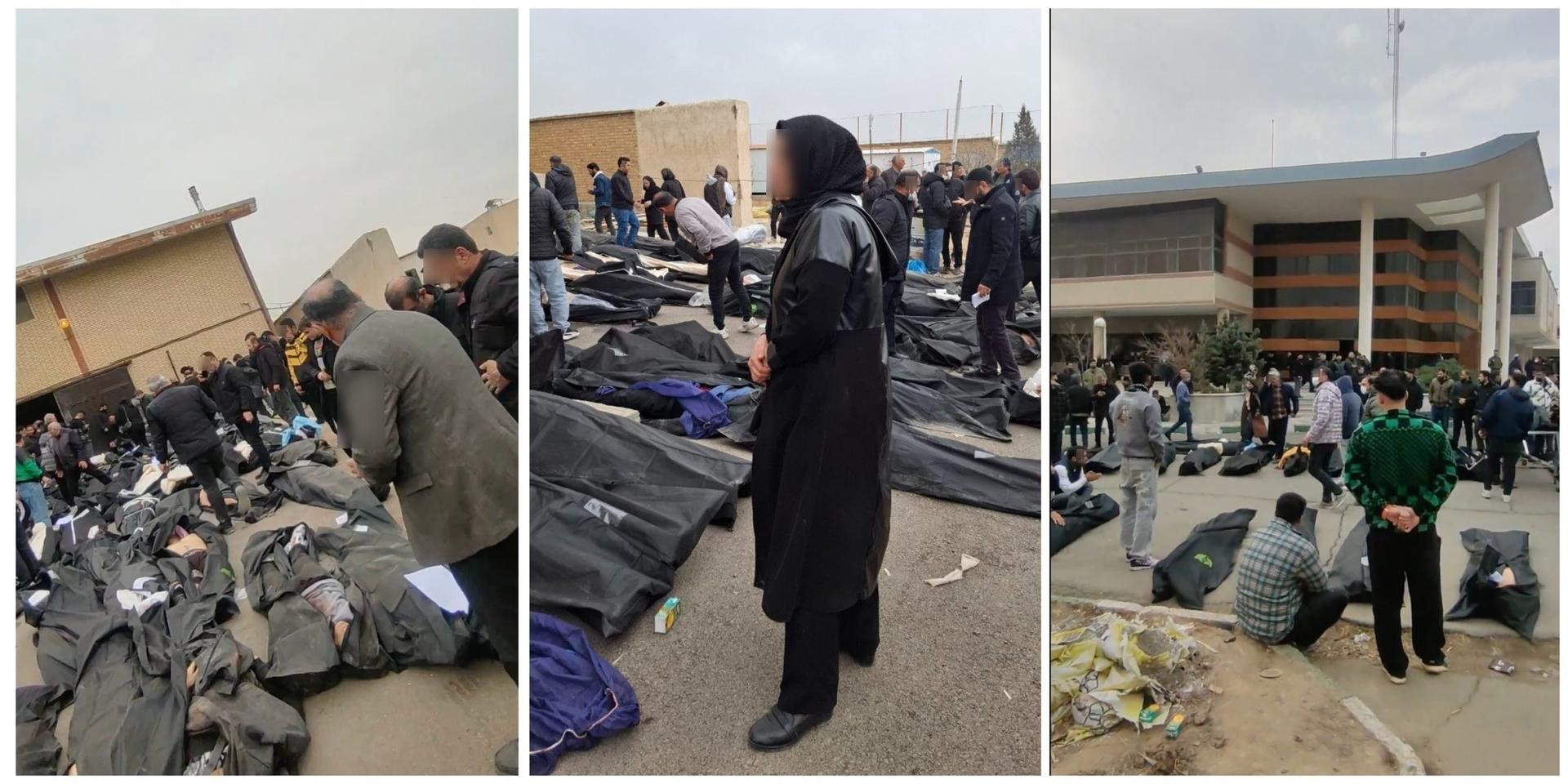
International outlets report that Iran moved to cut most communications as authorities tried to quell demonstrations, while the U.N. Security Council held an emergency meeting at the U.S. request.
Reports place the death toll at roughly 2,600-2,640, with some rights groups warning the numbers may be far higher.
Border crossings such as Erbil's Haji Omaran and Penjwen's Bashmakh have seen daily traffic fall by roughly half, with drivers saying travelers are mainly returning residents or students rather than tourists.
The communications shutdown has made independent verification of casualty counts and other claims difficult.
Activists warn that executions of detainees may be imminent.
Allegations and Responses
Human-rights organisations and activists describe a deadly escalation. Amnesty International says it has audiovisual records and eyewitness accounts pointing to widespread lethal attacks. Amnesty accuses security forces of using shotguns and rifles with metal pellets and of firing directly at crowds.
Amnesty and other groups have urged the U.N. to intervene and called the pattern "mass unlawful killings." Iranian officials deny planned mass hangings and frame the unrest as foreign-orchestrated. Some outlets and monitors put the death toll higher than the activist figures reported to international media.
Communications blackout and jamming
The blackout and telecom disruptions have driven Iranians and supporters to satellite options. Those satellite options also face jamming and legal risks, according to multiple outlets that reported a near-total communications shutdown leaving only limited ways to share video and coordinate. SpaceX's Starlink has been used in-country, with reports it temporarily waived fees to help users.
“SpaceX has begun offering free Starlink satellite internet access in Iran during a government-imposed internet blackout ... reportedly waiving subscription fees for users who already own Starlink receivers.”
At the same time, sources describe state attempts to locate or jam terminals and warnings that users face severe punishment if caught. Observers say the blackout and jamming complicate verification of events and reduce international visibility of both protests and rights abuses.
International and regional reactions
Unrest in Tehran and the government's domestic crackdown prompted international concern and regional military precautions. Iran briefly closed its airspace for several hours, forcing airlines to reroute. Western governments adjusted military postures and issued travel warnings.
There were reports of personnel movements from bases such as al‑Udeid and some evacuations. G7 countries expressed alarm and discussed potential measures. U.S. political leaders also weighed in publicly, with President Trump warning of possible retaliation if mass killings or executions occurred.
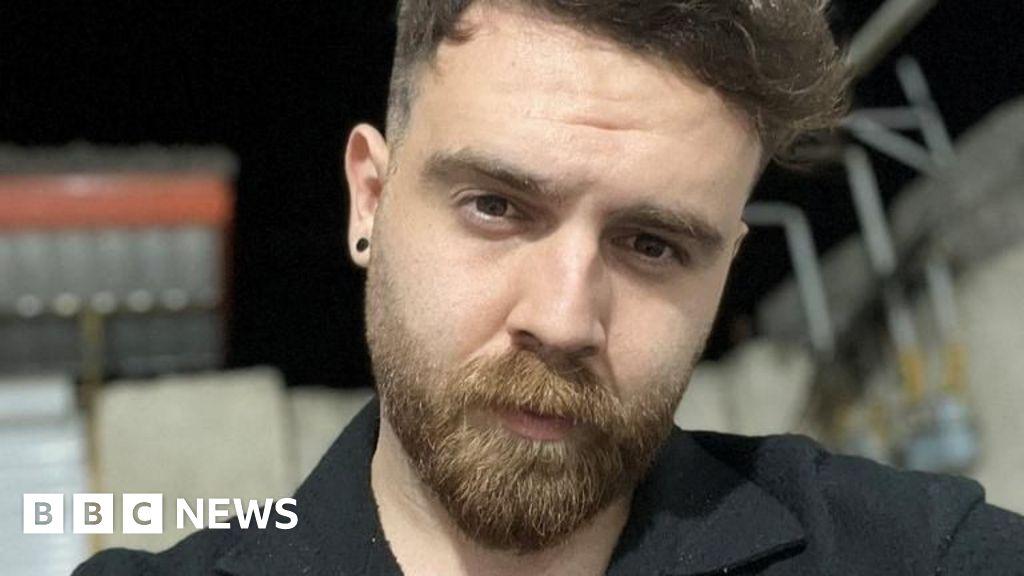
He said he had been told some execution plans were halted. Diplomats and analysts warned that military steps could risk wider escalation.
Human and Reporting Impacts
On the ground, the combined effect of killings, trials and communications restrictions has immediate human and economic costs. Families struggle to recover bodies and pay fees. Drivers and border communities lose income as cross-border traffic plunges.
“Tehran says it will continue expedited trials and harsh penalties to suppress the unrest.”
Detained protesters face expedited trials amid warnings of harsh penalties. Reporting emphasizes different angles: human-rights documentation of injuries and alleged unlawful killings. Regional accounts focus on travel and daily hardship.
International sources express concern about escalation. All sources reflect a highly volatile, information-scarce environment where many claims remain contested.