Iran-Israel26 January, 20262 min read
Iranian Security Forces Launch Deadly Crackdown on Mass Protests
This article is an automated aggregation of coverage from news outlets. Our editorials offer in-depth analysis curated by the NewsCord team.
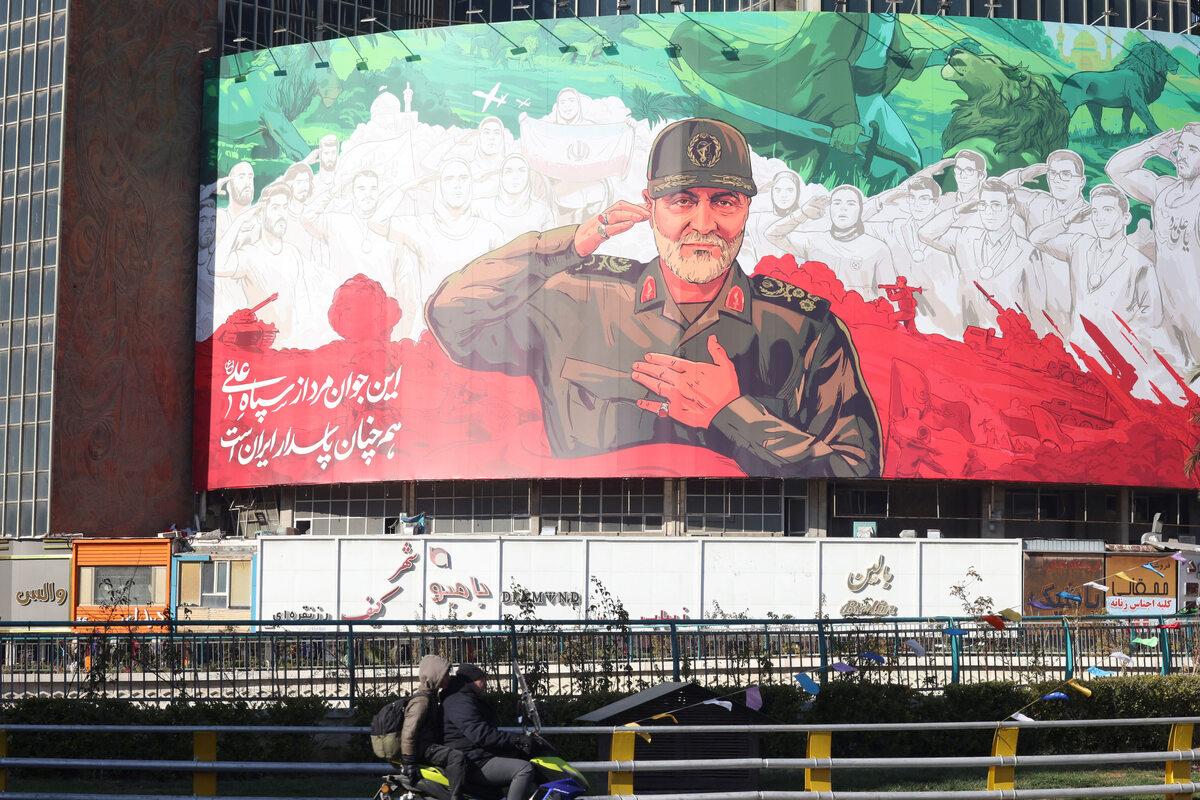
Mass protests have erupted across Iranian cities IRGC publicly accused foreign powers of plotting to destabilize Iran
5 outlets told this the same way.
Outlets did split on U.S. Intercepts Iran Message Activating Sleeper Cells After U.S.-Israel Strike Kills Khamenei →
Iran protests and crackdown
Iranian security forces launched a forceful crackdown on large-scale protests that have swept parts of the country, drawing sharply different accounts of what sparked the unrest and how deadly the response has been. PressTV reports authorities saying the disturbances began on January 8 with market protests over the rial's devaluation, and that the state has arrested hundreds and seized weapons. Authorities cited a high official death toll of "3,117 deaths, including civilians and security personnel," attributed to the Foundation of Martyrs and Veterans Affairs.
“Rights groups say many deaths resulted from security forces firing directly on protesters, and they warn the true number killed could be much higher than official figures.”
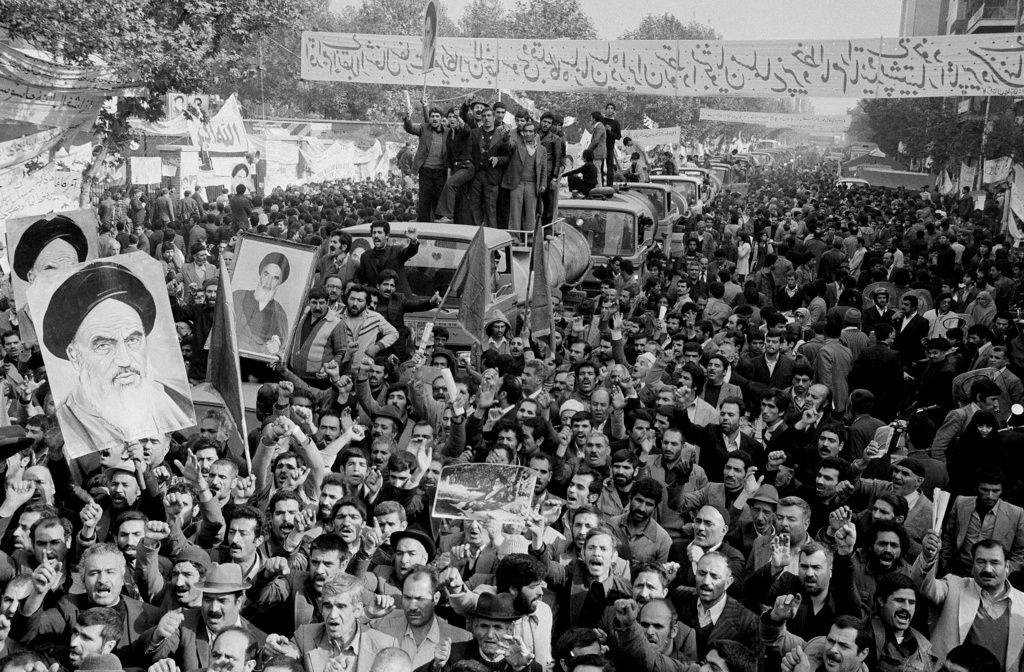
Rights groups and independent monitors, summarized in tag24, have accused security forces of firing directly on protesters and warn that the true death toll could be substantially higher than official figures. Annahar places the current unrest in historical context, arguing that unlike 1978-79 Iran's security apparatus, including the IRGC, Basij, police and intelligence services, remains cohesive and has used brutal repression that "has likely caused large numbers of protester deaths," suggesting continuity of state force rather than a collapsing regime.

IRGC crackdown narrative
Iranian state and security statements, as reported by PressTV, emphasize a counter-insurgency and counter-espionage storyline. The IRGC's intelligence arm said it had foiled a major terrorist plot allegedly orchestrated by the spy services of ten foreign countries and accused U.S. and Israeli involvement.
It claimed arrests, summonses and seizures, reporting that 735 people linked to 'anti-security networks' were arrested, about 11,000 'vulnerable' individuals were summoned, 743 unauthorized firearms were seized, and 46 people were identified as tied to foreign services. This account frames the crackdown as part of a broader security operation and presents the mass detentions and weapon seizures as necessary to dismantle what authorities describe as externally supported networks.
Media framing of unrest
PressTV reproduces IRGC statements using law‑and‑order language and explicit accusations of foreign interference, describing the plot as a "US‑ and Israeli‑led effort to foment unrest and threaten Iran’s territorial and national integrity," which supports a narrative of justified security measures. Tag24 frames the events in a human‑rights oriented and alarmed manner, foregrounding rights groups’ claims that security forces shot protesters and that official tallies are unreliable.
“Rights groups say many deaths resulted from security forces firing directly on protesters, and they warn the true number killed could be much higher than official figures.”
Annahar adopts an analytical and cautionary tone, downplaying parallels with the 1979 uprising and stressing the cohesion of the coercive apparatus. It warns that change is likelier to come from within the regime and could leave an IRGC‑dominated, harsher order in place.
Analyst views on state response
Observers and analysts quoted across the sources present divergent forecasts for the country’s trajectory. Annahar argues that unlike the Shah’s 1979-era collapse, today’s security organs remain loyal and effective, and therefore an IRGC-dominated outcome could produce a harsh, entrenched authority rather than rapid democratic change. PressTV’s account implies that state action — arrests, seizures and counter-intelligence work — will suppress foreign-backed unrest, reflecting regime confidence in law-enforcement responses.
Tag24 and rights-focused reporting stress immediate humanitarian concerns and uncertainty about casualty figures, implying a prolonged human-rights crisis and possible underreporting. Together, the sources indicate both a forceful state response and deep disagreement about causes, casualty numbers, and the prospect for rapid political change.