Iranian Security Forces Massacre 646 Protesters in Nationwide Crackdown

Iranian Security Forces Massacre 646 Protesters in Nationwide Crackdown

13 January, 202616 sources compared
Iran-Israel

Key Points from 16 News Sources

  1. 1

    Security forces killed 646 protesters over 16 days, HRANA reported

  2. 2

    Authorities arrested 10,721 people across protests in 187 cities and 606 locations
  3. 3

    President Trump threatened 25% tariffs on countries trading with Iran and weighed military options

Full Analysis Summary

Iran protests and crackdown

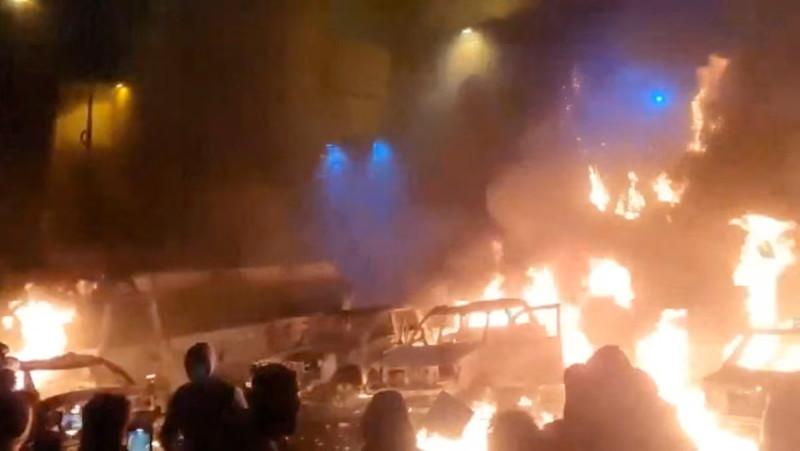
Since nationwide protests began on Dec. 28, Iran's security crackdown has left hundreds dead and thousands detained.

Rights groups such as the U.S.-based Human Rights Activists News Agency (HRANA) reported 646 deaths and 10,721 arrests.

Those counts have been repeated across international outlets, though many say they cannot independently verify HRANA's figures and Iranian authorities have offered different tallies.

Multiple sources describe the unrest as the gravest challenge to Iran's theocratic system since 1979.

Reports say protests have spread to hundreds of cities and provinces.

The government has not released a matching official casualty toll.

State-aligned media emphasize deaths among security forces and pro-government rallies.

Coverage Differences

Contradiction/Verification

Rights groups’ tallies (HRANA) are widely cited — e.g., 646 deaths and 10,721 arrests — but some outlets caution they cannot independently verify those figures, while Iranian officials have given different, higher figures or blame 'terrorists'. This creates contradictory public counts between rights groups, independent outlets and official state claims.

Official counter-claim

Iranian officials or state-aligned outlets have sometimes cited different totals or framed violence as the work of 'terrorists' and foreign interference, which contrasts with HRANA and human-rights focused reporting that emphasizes protesters killed by security forces.

Crackdown and communications blackout

Authorities imposed heavy security measures — road closures, transport disruptions and a near-nationwide internet blackout — as they tried to suppress the demonstrations.

Multiple reports say the government cut internet access, and some residents turned to alternatives such as SpaceX's Starlink.

Security operations included mass arrests, and the state highlighted the deaths of security personnel while describing detained individuals as 'terrorist teams'.

Human-rights officials and international observers warned that the blackout and the scale of the security response risk concealing the true extent of the crackdown.

Coverage Differences

Emphasis/Tone

Asian outlets such as Financial Express and Hindustan Times stress concrete measures (internet blackout, road closures, Starlink use) and arrests, while Western alternative outlets like Euractiv foreground international human-rights alarms and calls to protect civilians from mass killing.

Narrative/Framing

Government and state-aligned reporting frame actions as counterterrorism and blame foreign powers, whereas human-rights-focused outlets frame actions as disproportionate repression against civilian protesters.

U.S. response to Iran

The U.S. response combined diplomatic and coercive measures.

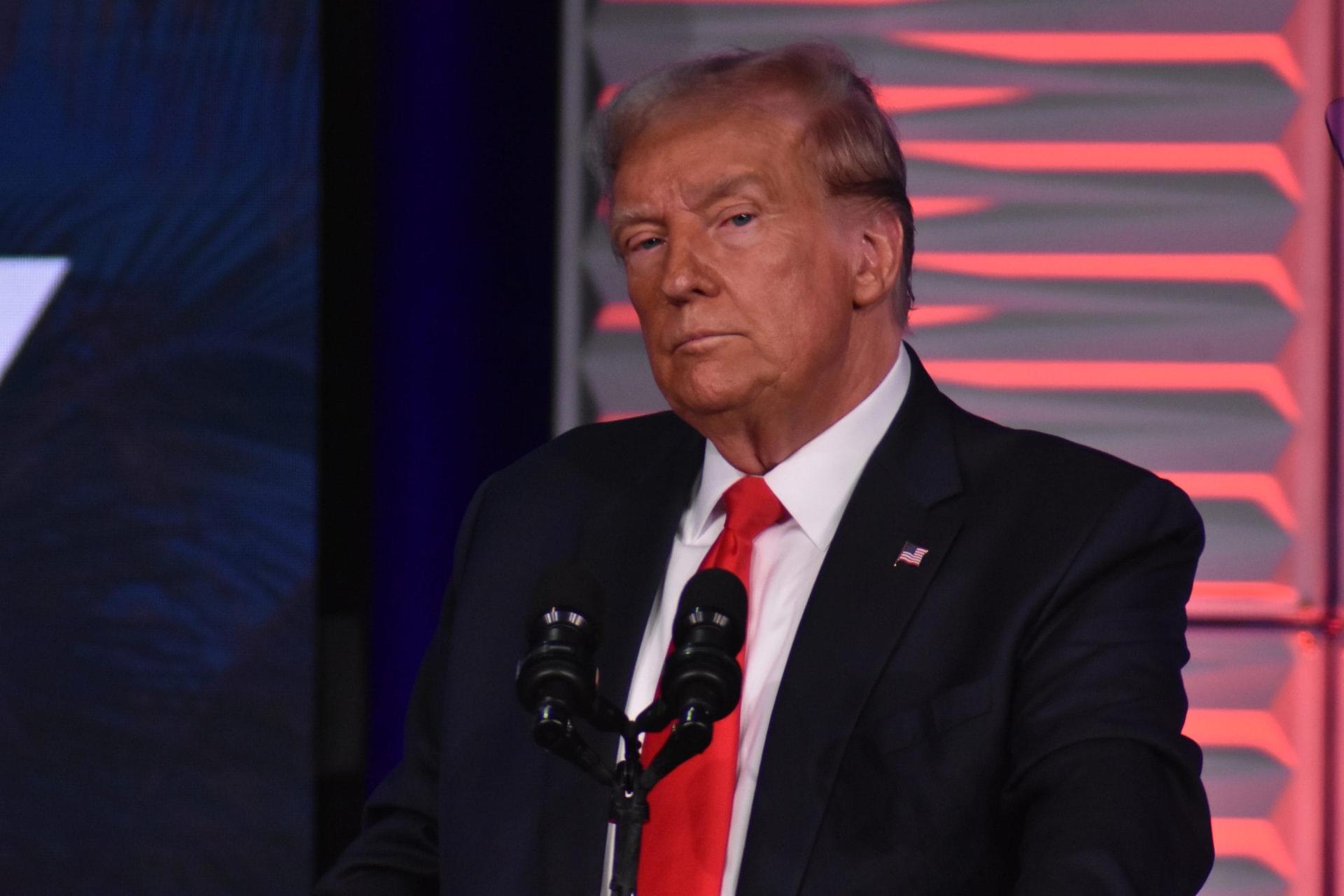
President Trump announced an immediate 25% tariff on goods from any country doing business with Iran.

Officials kept military options on the table and named a special envoy to maintain contact.

U.S. authorities warned American citizens in Iran to leave and suspended routine consular services.

They weighed sanctions, cyber measures and even kinetic options.

White House spokespeople said diplomacy remained the first preference even as the administration prepared a suite of options.

Coverage Differences

Policy emphasis

Some outlets foreground the tariff as the central U.S. response (Sydney Morning Herald, El Mundo), while others stress military options and a broader menu of responses including cyber operations (Haberler, ABC). These variations change the perceived immediacy of economic coercion versus kinetic risk.

Tone/Assurance

Some media highlight the White House line that diplomacy is preferred even as military options exist (Euractiv, Haberler), creating a tone of cautious escalation rather than imminent strike.

Global trade fallout

China condemned the U.S. tariff threat as 'coercion' and warned it could damage global trade ties.

Analysts flagged risks to the fragile U.S.-China trade truce, and regional partners worried about economic and strategic consequences.

India’s trade ties with Iran—already sharply reduced since 2019—face fresh pressure from U.S. measures that could complicate projects like the Chabahar port.

Markets also reacted with currency and oil-price moves in some reports.
Coverage Differences

Geopolitical focus

European and Western mainstream outlets focused on the broader risk to U.S.–China relations and possible market impacts (Sydney Morning Herald, El Mundo, Financial Express), whereas Indian outlets (India Today) emphasize specific bilateral trade and infrastructure implications for New Delhi.

Economic versus security framing

Some outlets foreground economic impacts — trade flows, rupee and oil-price reactions — while others place weight on security escalation and diplomatic channels; both frames appear across mainstream and regional outlets.

Global media coverage overview

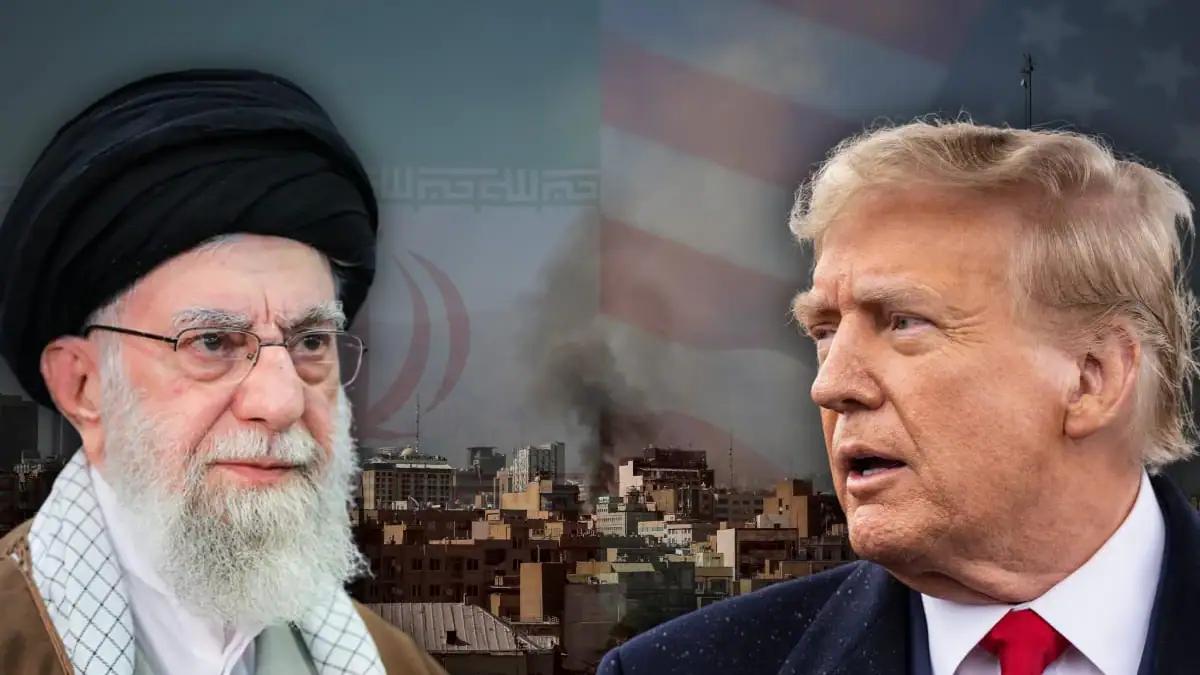
Across reporting, the tone ranges from urgent human-rights alarm to geopolitical calculation.

Human-rights and Western-alternative outlets warn of potential mass killing and call for protective measures.

Western mainstream coverage balances those warnings with attention to U.S. policy options and international economic fallout.

Asian outlets emphasize on-the-ground disruptions, arrests, and the domestic political challenge to the theocratic regime.

Many sources agree the situation remains fluid and that independent verification of casualty figures is limited.
Coverage Differences

Tone

Western-alternative and human-rights-oriented outlets stress urgent protection and fatality counts (Euractiv, Hindustan Times), while Western mainstream sources frame the story within U.S. foreign-policy options and economic consequences (Sydney Morning Herald, ABC). Asian outlets emphasize domestic impact and disruptions (Financial Express, The Vibes).

Clarity/Uncertainty

Almost all outlets note uncertainty around casualty verification and the rapidly changing situation; some explicitly state they cannot independently verify rights-group figures, cautioning readers about the limits of available information.

All 16 Sources Compared

ABC

Iran protests: 646 killed, activists say, as Trump weighs military action

Read Original

ABP Live English

Donald Trump Threatens 25% Tariffs On Iran Trade Partners: How India Could Be Affected

Read Original

Business Today

Kanwal Sibal on Trump's 25% tariff threat: 'Does he want to contribute to a humanitarian crisis in Iran?'

Read Original

BusinessToday Malaysia

Trump Threatens 25% Tariff On Countries Doing Business With Iran

Read Original

Daily Pakistan

Trump threatens China, Turkiye, UAE, and Iraq with 25% Tariff for doing business with Iran

Read Original

El Mundo

China, Iran's main economic backer, denounces "coercion" after Trump announced 25% tariffs on Tehran's trading partners

Read Original

Euractiv

Trump says countries trading with Iran will face 25% US tariffs

Read Original

Haberler

Operation signal? The US call to Iran has stirred up the situation.

Read Original

Hindustan Times

Iran protests LIVE: 646 killed, country emerges from communications blackout; all eyes on US action | World News

Read Original

India Today

Trump imposes 25% tariff on Iran trade: How will it affect India?

Read Original

News18

‘Illicit Unilateral Sanctions’: China Opposes Trump’s Threat Of 25% Tariffs On Countries Trading With Iran

Read Original

Republic World

Trump Targets Iran's Trade Partners With Immediate 25% Tariff Amid Massive Crackdown On Anti-Government Protests

Read Original

Swarajyamag

Trump's 25 Per Cent Tariff On Iran Trading Partners Threatens India's $1.68 Billion Bilateral Trade

Read Original

The Financial Express

Iran Protests LIVE updates: Tehran says communication with US open as death toll rises to 646

Read Original

The Sydney Morning Herald

Trump’s Iran tariff threatens to reignite China trade war

Read Original

The Vibes

Trump considers military and economic measures as Iran faces deadly protests

Read Original