Iran-Israel13 January, 20262 min read
Iranian Security Forces Massacre At Least 3,428 Protesters in Brutal Crackdown
At least 2,571 protesters killed during nationwide crackdown. More than 10,000 protesters arrested nationwide.

47 outlets told this the same way.
Outlets did split on U.S. Intercepts Iran Message Activating Sleeper Cells After U.S.-Israel Strike Kills Khamenei →
Iran unrest casualties report
Norway-based Iran Human Rights (IHR), cited by multiple outlets, reports that security forces have killed at least 3,428 protesters and arrested more than 10,000 during the recent nationwide unrest. Some outlets present that figure as the central tally of the crackdown and it has been widely cited in international reporting.
“Norway-based Iran Human Rights (IHR), cited by AFP, says at least 3,428 protesters have been killed and more than 10,000 arrested in the Iranian crackdown; about 3,379 deaths occurred during the peak of demonstrations from January 8–12.”
Independent verification remains difficult because of a near-total communications blackout inside Iran, but footage and eyewitness accounts circulated to international media have strengthened claims of mass casualties. The scale of the reported killings has prompted urgent international attention, with governments and human-rights organizations demanding accountability and access.

Claims and counter-narratives
Multiple media outlets point to graphic evidence and eyewitness accounts underpinning claims of mass killings, including AFP‑verified footage showing bodies wrapped in black bags at Kahrizak morgue south of Tehran and witnesses and hospital sources describing overwhelmed facilities and detained wounded people. Rights groups such as Iran Human Rights and HRANA combined those images with collated reports from families, hospitals and activists to produce their tallies. At the same time, state media and pro‑regime events highlighted security‑personnel casualties and held mass funerals, presenting a competing narrative that emphasises lawlessness and foreign plots.
Erfan Soltani case
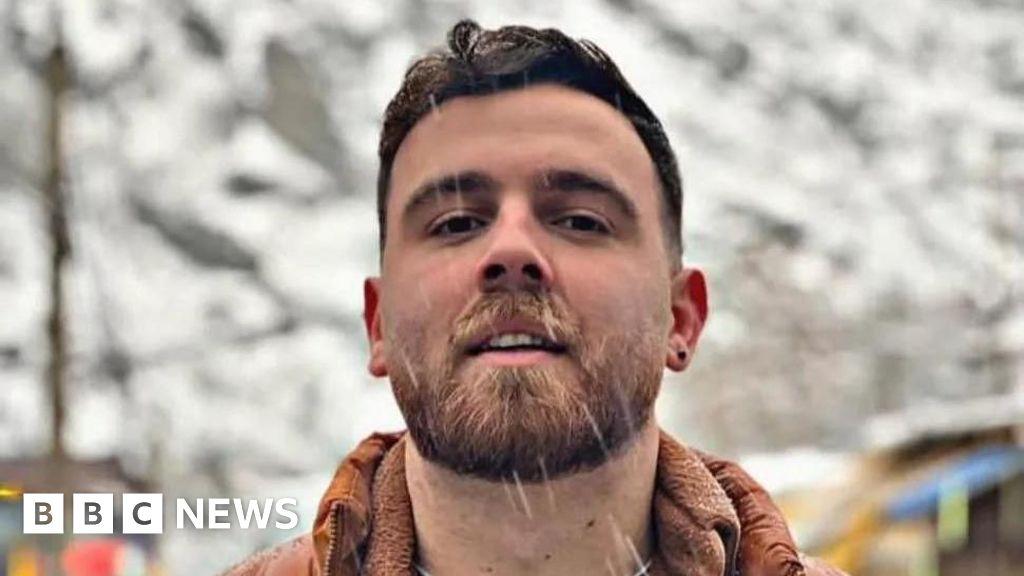
Among the most prominent individual cases is 26-year-old Erfan Soltani, a clothes-seller arrested on Jan. 8 and reported to have been quickly sentenced to death and denied counsel.
“Human rights group Hengaw, which has been in contact with the family, says the planned execution of 26-year-old Erfan Soltani ... has been postponed.”
International pressure followed reports that his hanging was imminent.
Multiple outlets then reported that Soltani's execution was postponed, with human-rights group Hengaw and CBS News saying the planned execution had been delayed.
Family access remains limited, and the prospects for due process in many detainee cases remain unclear amid reports of expedited trials and capital charges such as 'waging war against God'.
International reactions to unrest
The international response has been sharp and uneven. US officials, including President Donald Trump, warned of 'very strong action' and later, citing 'very important sources,' said 'the killing in Iran is stopping' and that there were 'no plans for executions.' Airlines rerouted flights and some embassies urged citizens to leave.
Western governments summoned Iranian envoys and discussed sanctions. Other international voices emphasised de-escalation and expressed concern about further escalation. Tehran accused foreign powers of stoking the unrest and framed the violence as the result of external interference and domestic rioters.
Iran protests: political outlook
Analysts caution that while casualty figures and images signal a grave human-rights catastrophe, the longer-term political outcome in Iran remains uncertain. BBC and other mainstream outlets stress that the regime retains strong coercive institutions—above all the IRGC—and resources that make abrupt collapse unlikely, even as they acknowledge the protests pose a serious challenge.
“The regime retains strong incentives and real capability to defend itself: a loyal security apparatus, money, corruption and ideology underpin its survival.”
Other outlets and commentators call for coordinated international pressure, targeted sanctions, humanitarian planning, and caution about measures that could bolster hardliners or harm civilians. This policy debate is reflected in diverse coverage about risks, remedies, and the prospects for change.