Iran-Israel12 January, 20263 min read
Iranian Security Forces Massacre Hundreds of Protesters
This article is an automated aggregation of coverage from news outlets. Our editorials offer in-depth analysis curated by the NewsCord team.
Iranian security forces killed hundreds of protesters during nationwide anti-government demonstrations President Trump said Iran sought negotiations while he weighed military responses

6 outlets told this the same way.
Outlets did split on U.S. Intercepts Iran Message Activating Sleeper Cells After U.S.-Israel Strike Kills Khamenei →
Iran protests overview
Widespread protests erupted across Iran in late December and have spread rapidly. They moved from economic grievances to broad political demands, including calls for regime change. The BBC reports the unrest entered its third week after protests began on 28 December following a strike in Tehran’s Grand Bazaar triggered by the rial’s collapse.
“The unrest in Iran has entered its third week. Protests began on 28 December after a strike in Tehran’s Grand Bazaar triggered by the rial’s collapse; demonstrations have since spread to more than 100 cities across all 31 provinces and shifted from economic to political demands, with many calling for regime change.”
Demonstrations have spread to more than 100 cities in all 31 provinces. Malay Mail and AFP report extensive street mobilisation despite internet restrictions.
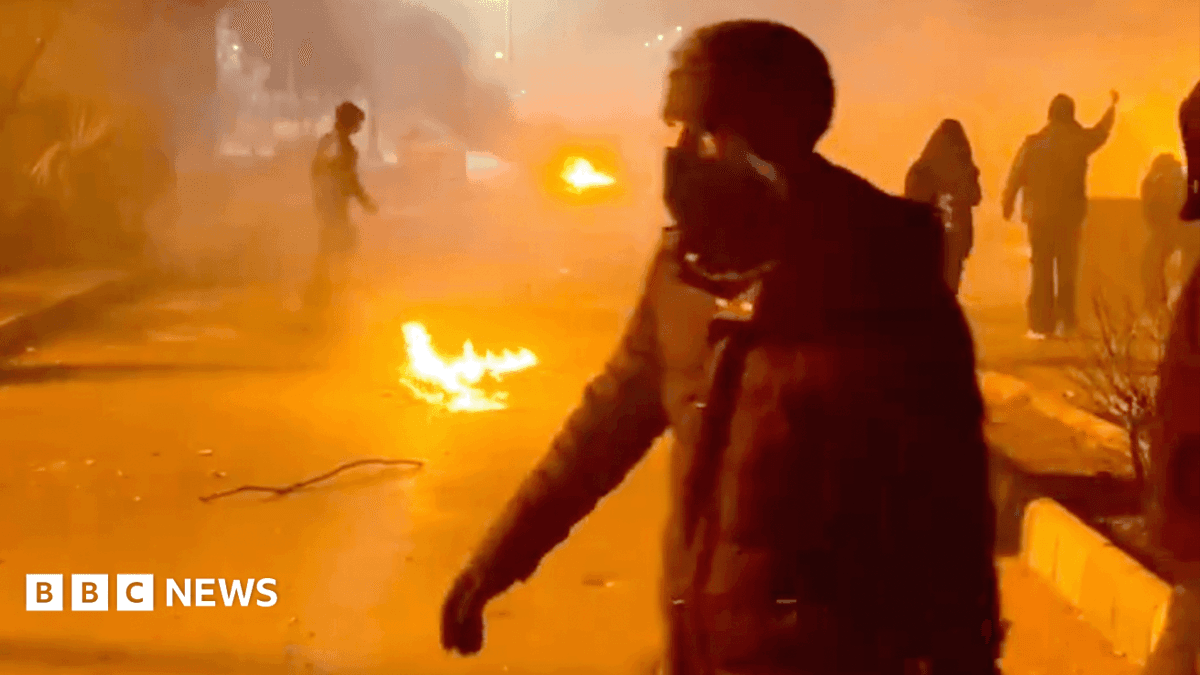
France 24 highlights appeals by protest leaders urging security forces and government workers to join the demonstrations. CBC describes heavy clashes and mass arrests amid a communications blackout, underlining the scale and ferocity of the unrest across Iran.
Casualties and Detentions Disputed
Casualty and detention figures vary widely across reports and are difficult to verify because of a communications blackout. The BBC cites the US-based Human Rights Activist News Agency (HRANA) reporting 495 protesters and 48 security personnel verified dead and about 10,600 detained. CBC reports a very similar HRANA figure—490 protesters and 48 security personnel killed and more than 10,600 arrests—but notes Reuters could not independently verify these numbers.
Malay Mail and France 24 reference Norway-based Iran Human Rights (IHR), which confirms at least 192 deaths but warns the true toll could be much higher. Unverified reports suggest several hundred to more than 2,000 deaths. All sources therefore show high and contested casualty totals with significant uncertainty.

Iran unrest and response
Iran's authorities have responded with a harsh security posture and measures that further limit independent verification. The BBC documents a near-total internet and communications blackout, reported as entering its 84th hour by NetBlocks, and quotes senior leaders calling protesters troublemakers; it also reports Foreign Minister Abbas Araghchi defended the communications restrictions and described the unrest as amounting to terrorist operations.
“Iranian authorities accused the U.S. and Israel of fomenting unrest, called for a nationwide pro-government rally, and state TV showed large funeral processions for security forces and pro-government demonstrations in several cities.”
CBC describes state TV broadcasting pro-government demonstrations and funeral processions and notes Iranian authorities accused the U.S. and Israel of fomenting unrest. Malay Mail adds that parliament speaker Mohammad Bagher Ghalib warned US military assets and shipping would be legitimate targets if Washington intervenes, illustrating Tehran's escalatory rhetoric.
International responses to Iran unrest
International responses and the prospect of foreign action are prominent in coverage but are presented with differing emphases.
BBC and CBC report U.S. President Donald Trump saying Iran’s leadership contacted him to seek negotiations and that a meeting was being arranged, while warning the U.S. might act before any talks.
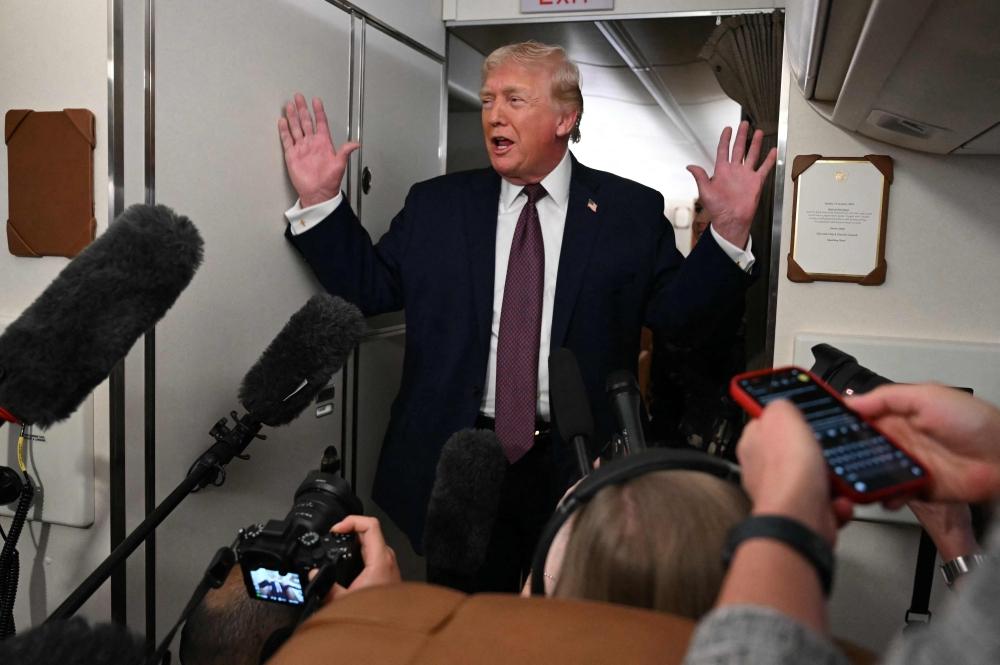
CBC detailed that Trump was due to meet advisers to consider options including military strikes, cyber operations and broader sanctions.
France 24 similarly quoted Trump saying the U.S. may have to act before a meeting.
Malay Mail/AFP placed the unrest in a regional context, describing it as one of the most serious challenges to Supreme Leader Khamenei following recent regional tensions.
Verification challenges in Iran
Verification remains problematic: the near-total communications blackout, reliance on diaspora testimony and monitoring groups, and competing claims from rights organizations make independent confirmation of deaths and arrests difficult. The BBC notes the blackout (in its 84th hour per NetBlocks) and reports some people briefly used Starlink, though researchers warned of risks. The BBC and other outlets face major challenges verifying events inside Iran.
“AFP says daily life in Tehran is severely disrupted — many shops closed and security forces heavily deployed — even as state media try to portray calm.”
Malay Mail/AFP and France 24 point to images and eyewitness video showing bodies and morgue pile-ups but stress these remain unverified. CBC reports Reuters could not independently verify figures from human-rights groups. Given these limitations, the exact scale of any alleged massacre remains contested and unclear across reporting.
