Full Analysis Summary
Iran protests crackdown
Since December 2025, Iran has experienced nationwide protests that security sources and observers say have been met by a harsh state crackdown resulting in large numbers of deaths and mass detentions.
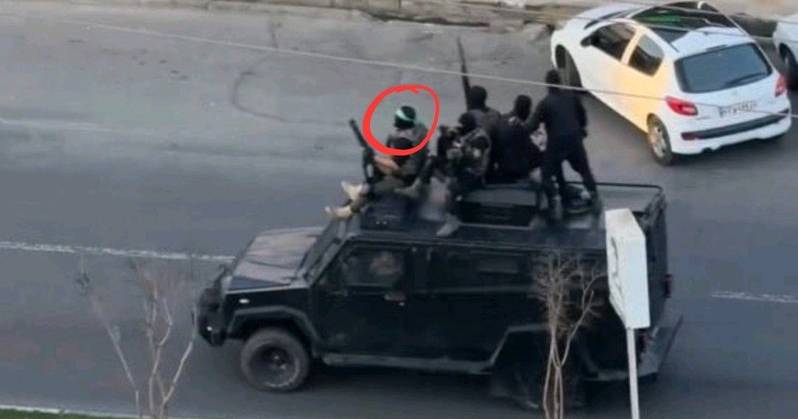
The International Bar Association (IBA) says security forces — including the IRGC, Basij paramilitaries and law enforcement — have reportedly used militarised tactics and live ammunition against largely civilian, decentralised protests, causing hundreds of deaths, serious injuries and thousands of arrests (reports say more than 10,000 detained).
News outlets report the unrest prompted emergency diplomatic moves and activist appeals for international help as allegations of widespread lethal force spread.
Reports vary on the scale of killings but consistently describe lethal force and broad repression across provinces.
Coverage Differences
Contradiction — casualty figures
Sources differ on the reported death toll. The IBA describes “hundreds of deaths,” Indian Express cites rights groups saying “at least about 2,600 people” were killed, and Sky News Australia reports that “human rights groups say thousands of demonstrators have been killed.” These are different scales and indicate uncertainty and varying source estimates.
Legal, media and diplomatic responses
The IBA described the events as serious breaches of international legal obligations.
It argued that the reported use of lethal force violates Article 6 of the International Covenant on Civil and Political Rights because such force is permissible only as a last resort and must meet necessity and proportionality criteria.
Sky News Australia and the Indian Express both relayed accounts of a bloody crackdown and activist condemnations.
Sky News quoted Roya Hakakian pleading for international help and decrying global silence.
The Indian Express recounted the US response, including an emergency UN Security Council meeting and White House warnings that 'all options are on the table'.
This mix of legal analysis, activist appeals and diplomatic alarm produced different emphases in media coverage.
Coverage Differences
Tone and framing
The IBA uses legal, rights‑based language to describe breaches of international law and the conditions under which lethal force may be used; Sky News foregrounds activist pleas and moral condemnation; Indian Express foregrounds geopolitical and diplomatic responses, including threats of force. Each source is reporting the same core events but emphasizes different frames (legal obligation vs. activist appeal vs. diplomatic escalation).
International reactions and accountability
International reaction has been swift and contested.
The Indian Express reports that the United States called an emergency UN Security Council meeting and that President Trump warned of "grave consequences," even saying he was prepared to act.
The paper also reports late regional lobbying by Saudi Arabia, Qatar, Turkey and Oman, and Saudi refusal to allow airspace use that helped persuade Trump to hold off on strikes.
Sky News records activist appeals and quotes Trump saying he had been assured that "the killing had stopped" while pledging aid to protesters.
The IBA's focus on rights and law documents alleged abuses and the scale of detentions.
Taken together, the aggregated picture shows diplomatic brinkmanship alongside calls for accountability.
Coverage Differences
Narrative emphasis — military action vs. diplomacy vs. legal accountability
The Indian Express emphasizes the possibility of US military action and regional diplomacy blocking it; Sky News highlights activist pressure and presidential assurances; the IBA emphasizes legal condemnation and the human‑rights implications. These yield different impressions of whether the moment is primarily a security crisis, a diplomatic stalemate, or a legal/human rights emergency.
Communications blackout and crackdown
Communications blackouts, mass arrests and opaque judicial processes are recurring themes across sources.
The IBA reports a near-total nationwide shutdown of internet and telecommunications services imposed since 8 January 2026 and documents reports that thousands have been detained.
Sky News records that the internet and telecom blackout imposed on Jan. 8 remains in effect, and the Indian Express highlights the unrest's regional fallout — including advisories for foreign nationals and reports that a Canadian citizen died during the protests — underscoring how the domestic crackdown produced external consequences for travel, diplomacy and consular affairs.
Coverage Differences
Missed information / focus
All three sources report the communications blackout, but their emphases differ: IBA frames it as part of legal and human‑rights violations and notes detention numbers; Sky News uses it to amplify activist cries and urgency; Indian Express highlights practical consequences for foreign nationals and regional diplomacy. One source (Iran International) provides no usable article text in the provided snippets, representing a clear information gap.
Media accounts of crackdown
In sum, the provided sources converge on a picture of a lethal crackdown met with international alarm, but they diverge in emphasis and in the casualty figures cited.
The IBA foregrounds legal condemnation and provides specifics on alleged tactics and detentions.
The Indian Express emphasizes the diplomatic standoff and reports a rights-group estimate of roughly 2,600 deaths.
Sky News highlights activist pleas and frames the situation as a 'bloody crackdown' with 'thousands' killed.
One source in the set (ایران اینترنشنال) does not provide substantive text in the provided snippet and thus represents missing coverage in this compilation.
Because the counts differ across sources and each frames the events differently, the overall record is consistent about large-scale lethal force but unclear on a single verified death toll.
Calls for legal and diplomatic accountability are prominent in multiple accounts.
Coverage Differences
Summary / overall emphasis
All sources report lethal repression and international concern, but they differ in the primary lens: IBA (Other) uses legal/human‑rights condemnation, Indian Express (Asian) reports geopolitical escalation and robust casualty figures, Sky News Australia (Western Mainstream) centers activist appeals and moral urgency, and ایران اینترنشنال (West Asian) provides no substantive text in the snippet provided (a missed information case). These differences shape how readers perceive whether the crisis is primarily a legal violation, a diplomatic/military flashpoint, or a moral/activist emergency.