Iran-Israel11 January, 20262 min read
Iranian Security Forces Massacre Hundreds of Protesters, Rights Groups Say
This article is an automated aggregation of coverage from news outlets. Our editorials offer in-depth analysis curated by the NewsCord team.
Human-rights monitors report over 500 killed, including about 490 protesters and 48 security personnel Authorities detained more than 10,600 protesters during the crackdown

20 outlets told this the same way.
Outlets did split on U.S. Intercepts Iran Message Activating Sleeper Cells After U.S.-Israel Strike Kills Khamenei →
Iran protests and casualties
Mass unrest that began on Dec. 28 in Iran over rising prices has escalated into nationwide anti-government protests.
“A U.S.-based rights group said it verified the deaths of 490 protesters and 48 security personnel and documented more than 10,600 arrests during two weeks of unrest in Iran, putting the overall death toll at over 500.”
Rights groups report hundreds of deaths and thousands of arrests amid a near-total communications blackout.
The U.S.-based Human Rights Activists News Agency (HRANA) said it verified the deaths of 490 protesters and 48 security personnel and documented more than 10,600 arrests in two weeks.
Several outlets described that tally as putting the overall death toll at over 500.
State television showed dozens of body bags at Tehran's coroner's office and blamed the fatalities on 'armed terrorists'.
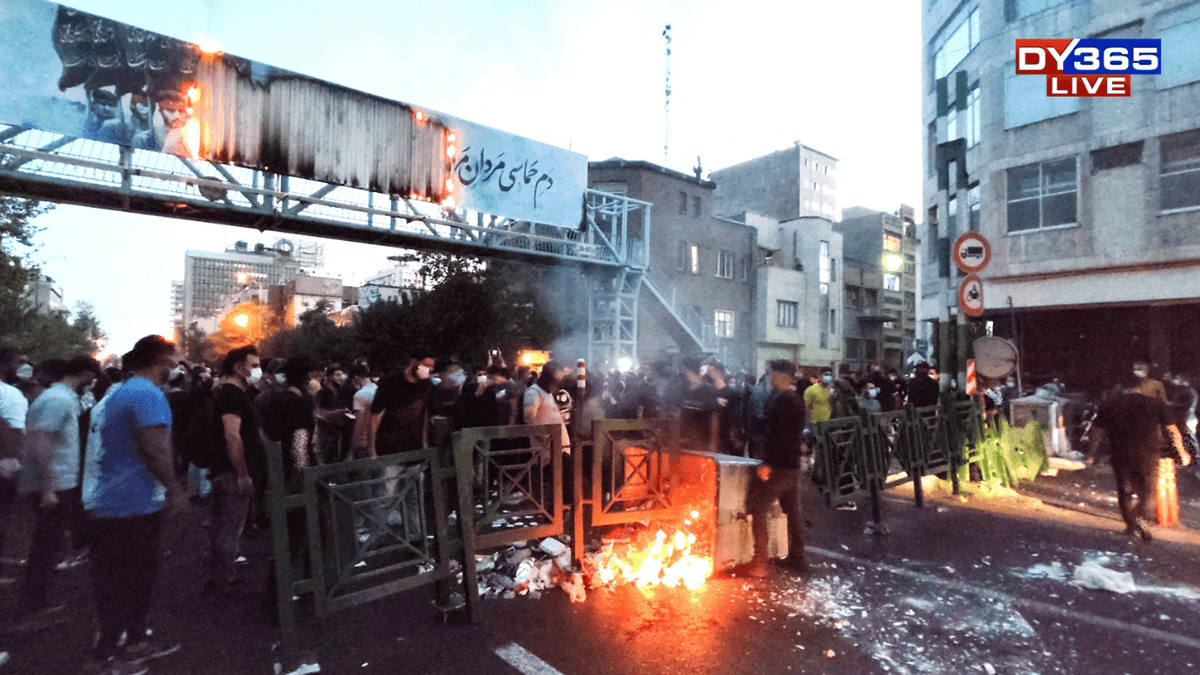
Social media and Reuters-verified footage showed large night marches, fires and clashes in cities including Tehran and Mashhad.
Iran's response to unrest
Iran's government adopted a heavy security posture and used blunt rhetoric in response to the unrest. State media and officials described the unrest as armed terrorists and rioters. They increased security deployments and staged funerals for security personnel.
Iranian leaders blamed foreign interference for the unrest. Parliament speaker Mohammad Baqer Qalibaf warned that any attack on Iran would make U.S. bases, ships and Israeli territory legitimate targets.
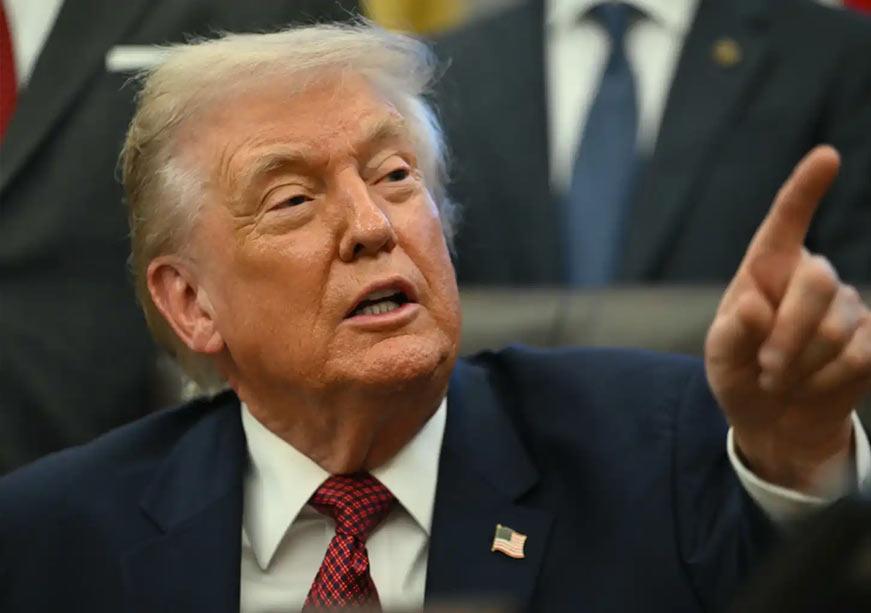
Internationally, the U.S. administration said senior officials were preparing to review a range of responses, from expanded sanctions and cyber options to military measures. The United Nations urged restraint.
Reporting challenges and casualty tallies
Verification of casualties and arrests is impeded by a near‑total internet shutdown and conflicting tallies from human‑rights monitors. NetBlocks and multiple outlets reported severe disruptions to connectivity, and some sources said authorities have even targeted satellite systems.
“NetBlocks says Iran’s nationwide internet shutdown entered its fourth day with connectivity to the outside world at about 1% of normal levels. Authorities have used military jammers to disrupt Starlink by interfering with GPS signals Starlink receivers need, leaving only sporadic connectivity and near-blackouts in key areas.”
Norway‑based Iran Human Rights and other monitors produced lower totals while outlets citing HRANA reported far higher figures. At least one regional outlet gave a widely divergent, much larger death toll.
Conflicting accounts of unrest
Verified footage and state broadcasts showed starkly different scenes on the ground. State TV aired morgue images and funeral processions for security forces.
Activists and several monitors documented mass night marches, fires, masked protesters and, in some accounts, civilian deaths including women and children. State media framed the events as resistance against the United States and the Zionist regime and cautioned families to keep children away from rioters and those it labeled terrorists, while rights groups reported heavy use of firearms and mass arrests in a crackdown.
Iran protests and fallout
Analysts and commentators cited by several outlets say the protests are unlikely to immediately topple Iran’s clerical establishment. They warn the unrest could nonetheless weaken the clerical leadership politically. Exiled opposition figures have urged continued pressure on the regime.
“Former US diplomat Alan Eyre said the protests are unlikely to topple the regime but could weaken it, noting Iran’s elite still appear cohesive and there is no organized opposition.”
Iranian officials vowed to suppress dissent and warned of retaliation for foreign intervention. Observers stressed regional implications, noting the protests come as Iran recovers from recent conflicts. They added that any international military option risks further escalation.
