Iran-Israel14 January, 20263 min read
Iranian Security Forces Massacre More Than 3,400 Protesters, Human Rights Group Reports
This article is an automated aggregation of coverage from news outlets. Our editorials offer in-depth analysis curated by the NewsCord team.
Iranian security forces killed thousands of protesters during a nationwide brutal crackdown Authorities detained tens of thousands of protesters and carried out mass arrests

14 outlets told this the same way.
Outlets did split on U.S. Intercepts Iran Message Activating Sleeper Cells After U.S.-Israel Strike Kills Khamenei →
Conflicting Iran protest tallies
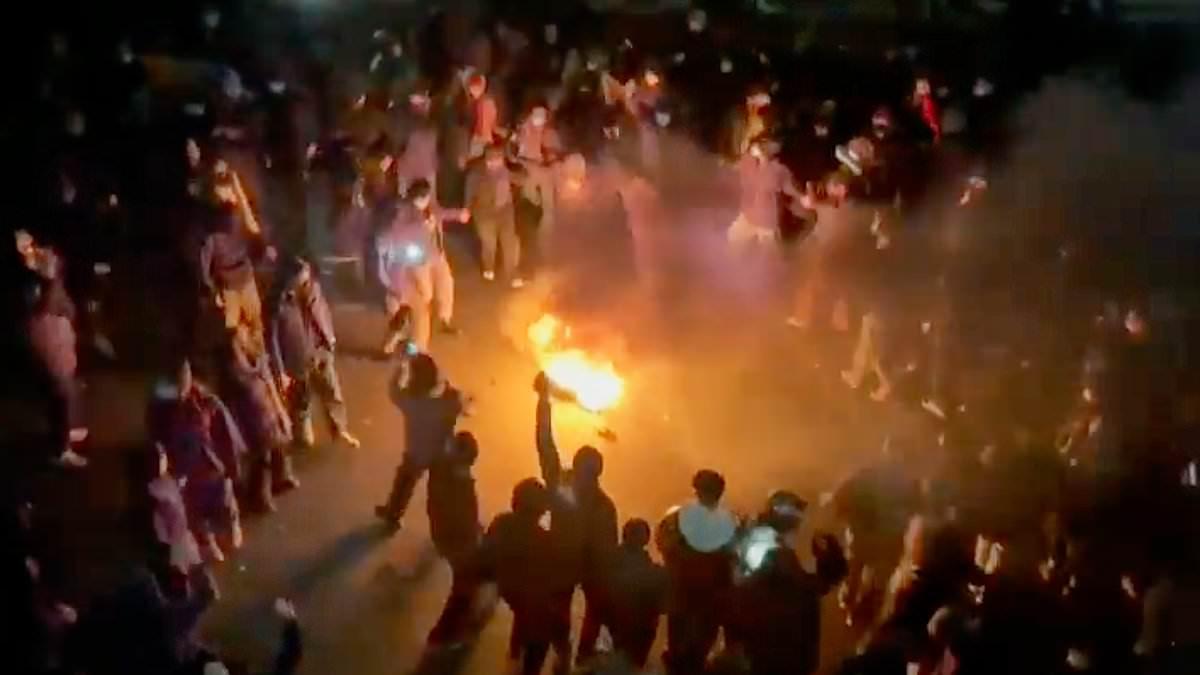
A Norway-based rights group, Iran Human Rights (IHR), says more than 3,400 people were killed and over 10,000 arrested in a violent security-force crackdown on nationwide protests. IHR recorded at least 3,379 deaths during the peak of unrest from January 8–12. Other organizations and officials, however, provide markedly different counts, ranging from roughly 2,400 confirmed protester deaths to claims above 3,000, underscoring deep disagreement over the scale of the bloodshed.
“Norway-based NGO Iran Human Rights (IHR) says more than 3,400 people have been killed and over 10,000 arrested in a brutal Iranian security-force crackdown on protesters, with at least 3,379 deaths recorded during the peak of unrest from January 8–12.”
The IHR figure and its description of a 'brutal Iranian security-force crackdown' are reported by the Daily Mail. Human Rights Activists News Agency (HRANA) and outlets such as The Business Standard and the BBC report HRANA's toll of 2,403 protesters and make distinctions between confirmed and reported deaths.
ABP Live gives a different tally of 2,571, and the Daily Express cites Iran National Council of Resistance (NCRI) claims exceeding 3,000. These variations reflect conflicting source bases — different NGOs, dissident groups, and anonymous or official Iranian figures — and point to both a very high death toll and serious verification challenges amid an internet blackout and restricted access.
Reports of deadly crackdown
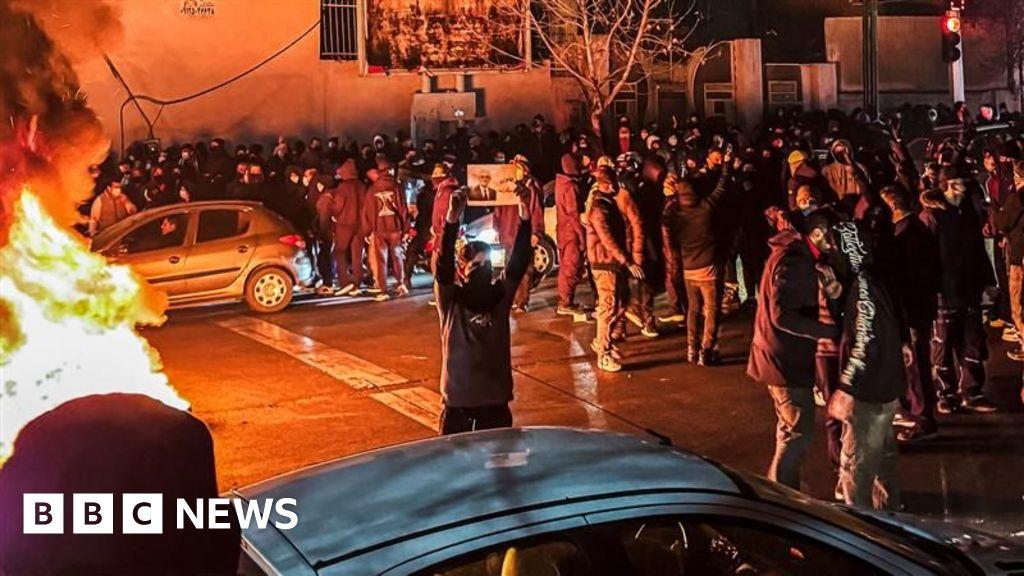
Multiple sources describe a brutal, wide-ranging crackdown by security forces. Those sources say security forces used water cannon, rubber bullets and live ammunition. Hospitals were overwhelmed and forensic centres were reported filled with bodies.
Video footage and on-the-ground reporting contributed to those accounts. The BBC reports similar tactics and medics saying hospitals were overwhelmed, while The Business Standard described footage from Kahrizak allegedly showing hundreds of bodies in bags. News18 and TRT Afrika report rights groups saying security forces fatally shot protesters and that large, state-organised funerals were held for security personnel killed during the unrest.
Prosecutions and death sentences
Authorities have pursued rapid prosecutions and threatened capital punishment, with multiple outlets reporting prosecutors may charge protesters under moharebeh ("waging war against God"). At least one detainee, 26-year-old Erfan Soltani, is reported to be scheduled for execution.
“More than 18,434 people have been arrested, and rights groups report that courts are handing down death sentences through extremely rapid procedures, sometimes within two days; one detainee, 26-year-old Erfan Soltani, is scheduled for execution.”
The Business Standard and ABP Live report courts handing down death sentences through extremely rapid procedures, while HRANA and other outlets have documented Soltani’s case. Times Now and TRT Afrika note the US warned it would respond if executions take place and that the State Department called Soltani the "first of many" sentenced to death.
US-Iran regional tensions
The unrest has provoked heightened regional and international tensions, with the US moving personnel and signalling possible responses while Iran warns of retaliation against foreign interference. The Daily Mail and Newsweek report that hundreds of US troops were evacuated from Al Udeid and that the US embassy advised staff to avoid military sites. News18 and Times Now cite President Trump's warnings of "very strong action" and mention US options including airstrikes.
Several sources also report Russia and China defending Iran or warning against US strikes, and Tehran saying countries aiding an attack could be targeted. Coverage diverges between outlets stressing imminent military risk and those emphasising diplomatic pressure to avoid escalation.
Media coverage during blackout
Information flow is heavily constrained by a near-total internet blackout and conflicting official narratives, which complicates independent verification and produces divergent media frames. The BBC reports Iran has been under an internet blackout since 8 January and that some people are using Starlink terminals. Newsweek and TRT Afrika describe a state-imposed communications blackout, and rights groups warn the government is concealing the scale of the repression.
“Iran has been under an internet blackout since 8 January; some people are using Elon Musk’s Starlink terminals to bypass the shutdown, though the devices are banned and authorities are reportedly trying to trace them.”
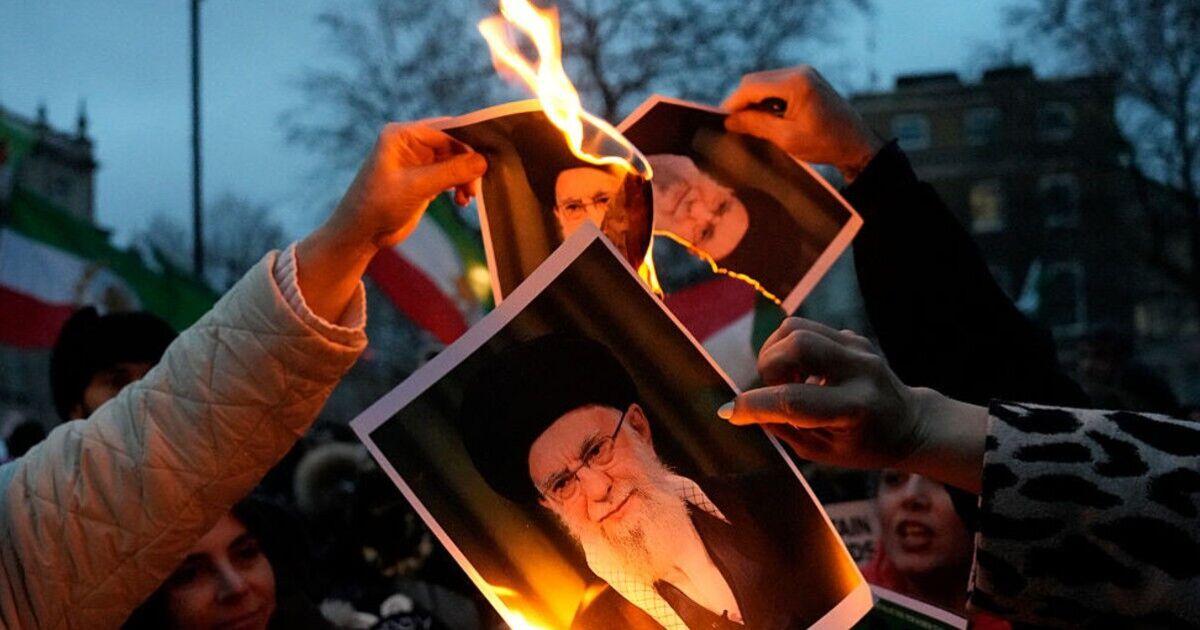
Diaspora and international protests and appeals for assistance are noted by Newsweek and the Daily Express. These reporting differences — factual (counts), narrative (blame and characterization), and tone (alarmist versus cautious) — reflect both the fragmented source environment inside Iran and differing editorial lenses across outlets.