Iran-Israel18 January, 20262 min read
Iranian Security Forces Massacre Over 5,000 Protesters in Brutal Crackdown
Authorities verified at least 5,000 deaths during nationwide protests, including about 500 security personnel. Security forces implemented near-total internet blackouts and carried out widespread arrests during the crackdown.

37 outlets told this the same way.
Outlets did split on U.S. Intercepts Iran Message Activating Sleeper Cells After U.S.-Israel Strike Kills Khamenei →
Iran protests death toll
Protests that began on Dec. 28 over economic hardship expanded into nationwide anti-government demonstrations.
“An unnamed Iranian official told Reuters that authorities have verified at least 5,000 deaths in the recent protests — including about 500 security personnel — and blamed ‘terrorists and armed rioters’ allegedly supported and equipped by ‘Israel and armed groups abroad,’ saying the heaviest clashes and most fatalities were in Kurdish areas in northwest Iran.”
Iranian authorities, citing an unnamed regional official quoted to Reuters, said they had verified at least 5,000 deaths in the unrest, including about 500 security personnel.

They also suggested the toll was not expected to rise sharply.
Independent monitoring groups and rights organizations give lower but still high figures and say thousands have been arrested amid heavy security operations.
This account is drawn from Reuters-based reporting aggregated across multiple outlets.
Iranian state response
Multiple outlets and activist networks describe a fierce state response.
Internet and phone blackouts beginning around Jan. 8 hindered independent reporting.
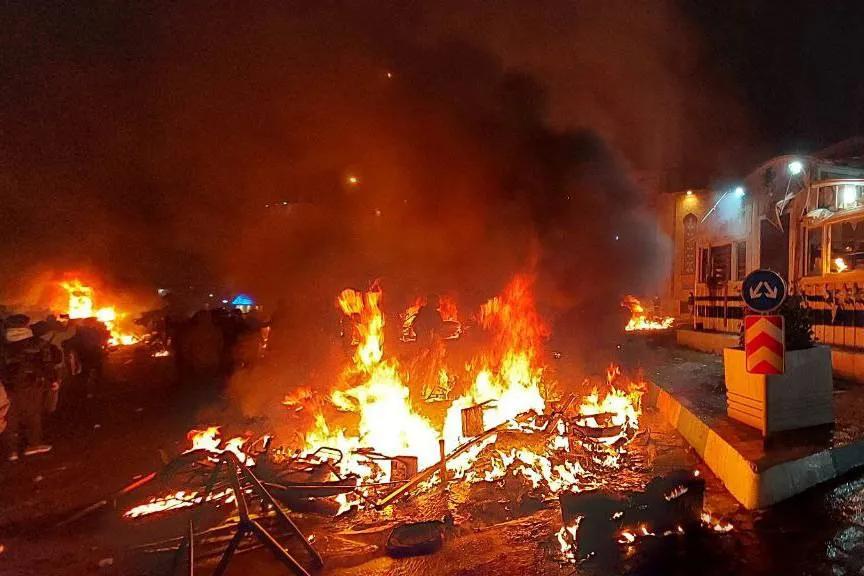
Reports describe widespread arrests and numerous eyewitness and medical-examiner accounts of security forces using live ammunition.
Eyewitnesses and examiners describe people shot in the chest or head at close range and bodies accumulating in morgues.
Iran's judiciary has signaled it will pursue cases, sometimes under the mohareb ("waging war against God") charge that can carry the death penalty.
Clashes in Iran's northwest
Multiple reports emphasize that the deadliest clashes took place in Iran's Kurdish-majority northwest. State officials quoted by Reuters said fatalities and the heaviest fighting were concentrated there. Independent Kurdish monitors such as Hengaw and human rights groups reported especially severe crackdowns in those provinces.
“Some of the fiercest clashes were reported in Kurdish-majority northwest provinces, where officials and sources also reported attempted cross‑border incursions from Iraq.”
Some outlets also reported alleged attempts by armed Kurdish groups to cross into Iran from Iraq amid the unrest. This geographic concentration was highlighted across West Asian, Israeli and other regional reporting.
Official claims and global reactions
Senior officials have publicly framed the unrest as driven by foreign interference. They acknowledged heavy casualties, with Supreme Leader Ayatollah Ali Khamenei saying "several thousand deaths" and blaming the United States and Israel. Iran's political leadership warned of harsh responses to perceived external meddling.
International reactions ranged from vocal U.S. statements urging protesters on and warning of possible action to reporting on stalled or debated U.S. military options. These responses have amplified geopolitical tensions as outlets weigh the human-rights crisis against broader security concerns.
Arrests, trials, and rights concerns
Rights organizations document thousands of arrests and warn of torture, denial of medical care, and possible executions following rapid prosecutions. State commentary and pro-government outlets portray the arrests and trials as necessary to restore order and punish violent actors.
“Iran’s judiciary indicated some suspects have been charged with mohareb (‘waging war against God’), a charge that can carry the death penalty.”
Journalistic reports note that some scheduled executions were reportedly paused amid international pressure. At the same time, Iranian judges have classified some defendants as mohareb, and the justice system signals swift, severe punishment for accused participants.