Full Analysis Summary
BBC excerpt on Iran protests
The BBC excerpt describes continuing fallout from nationwide protests in Iran, highlighting high casualty figures and harrowing personal scenes.
It reports limited medical access, pellet wounds among protesters, and people carrying dead relatives, framing the situation as severe and widespread.
However, the snippet does not mention Kermanshah or explicitly describe events as a "massacre" in that city, nor does it attribute a named massacre to Iranian security forces there, so that geographic and attribution claim is not supported by the supplied text.
Coverage Differences
Missed information / Unclear attribution
Only the BBC excerpt is available. BBC reports broad fallout and severe casualties but does not specify Kermanshah or explicitly call events a 'massacre' by security forces there. Because no other sources are provided, I cannot compare accounts, corroborate the Kermanshah claim, or attribute responsibility beyond what BBC reports.
Casualty count discrepancies
The BBC excerpt highlights a large discrepancy between official Iranian casualty counts and figures reported by rights groups.
Official Iranian figures place the death toll at about 3,000.
The US-based group HRANA has confirmed more than 4,600 deaths, is reviewing another 9,700 cases, and reports at least 7,300 serious injuries.
The BBC also notes that many believe the real numbers may be higher, indicating uncertainty and contested tallies rather than a single, settled figure.
Coverage Differences
Tone and emphasis on casualty uncertainty
With only BBC available, the notable difference is internal: BBC contrasts official state figures with HRANA's higher counts and highlights that 'many believe the real numbers may be higher.' Without additional sources of different types, I cannot show how West Asian or Western Alternative outlets might differ in framing these numbers, but the BBC emphasizes both the discrepancy and ongoing review of cases.
Suffering and healthcare strain
The BBC excerpt foregrounds personal suffering and restricted medical care.
It reports doctors allegedly referring injured people to private clinics.
It mentions pellet wounds among protesters and describes people carrying dead relatives, details that convey severe human impact and strain on healthcare access.
These concrete personal accounts are presented alongside statistical uncertainty, underlining both individual trauma and systemic issues in the response to the protests.
Coverage Differences
Narrative focus (personal stories vs. statistics)
BBC combines individual survivor accounts and descriptions of limited medical access with high-level casualty figures. Because only BBC is available, I cannot contrast this narrative choice with other outlets, but within the excerpt the BBC uses both personal testimony and rights-group data to build a picture of widespread harm.
BBC coverage of protests
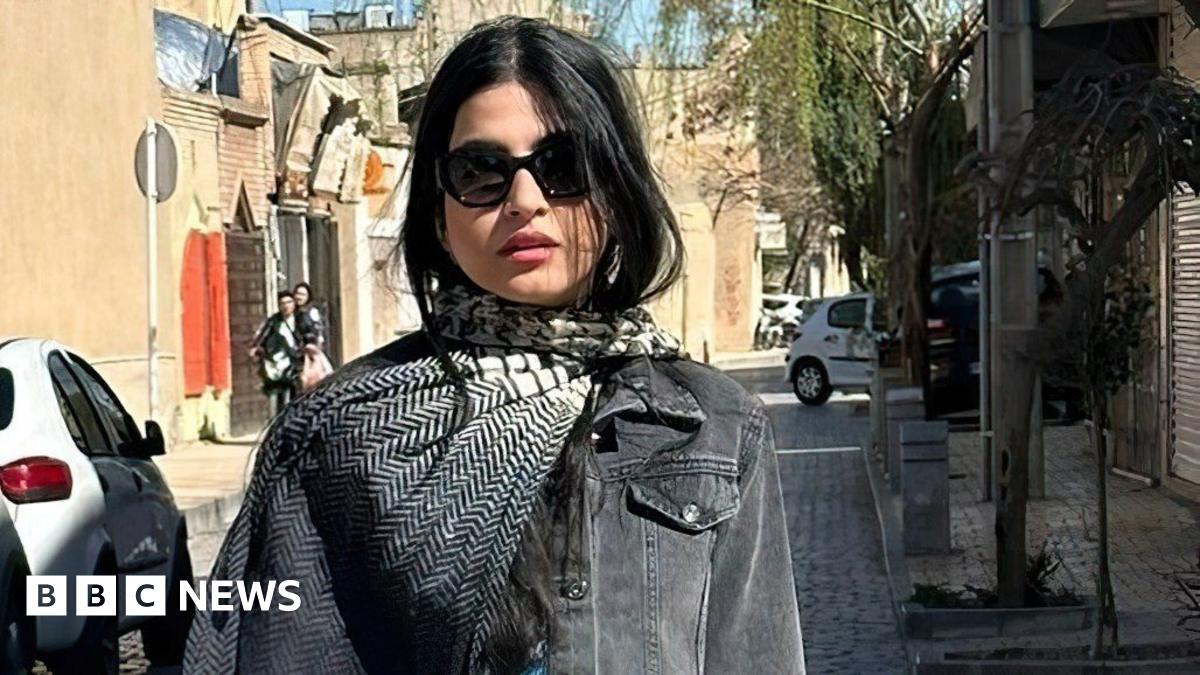
The BBC piece includes an opposition voice: Parnia, who cites friends' experiences and says she will join demonstrations in the UK to be 'a voice for the silenced'.
She criticizes international media coverage that she believes wrongly suggests a lack of unity between Iranians and the opposition.
The excerpt mixes reported casualty data, eyewitness-style personal accounts, and statements from opposition figures.
In the supplied text, the piece does not explicitly name Iranian security forces as perpetrators of a Kermanshah massacre.
Coverage Differences
Attribution and voice
BBC reports Parnia's quote and frames it as her view, attributing the criticism of international media to her; there is no separate source provided that names security forces or confirms a Kermanshah-specific massacre. Because only BBC is provided, I cannot show other outlets' attribution choices or whether others explicitly accuse security forces in Kermanshah.