Iran-Israel17 January, 20262 min read
Iranian Security Forces Massacre Thousands in Savage Crackdown, Khamenei Admits
This article is an automated aggregation of coverage from news outlets. Our editorials offer in-depth analysis curated by the NewsCord team.
Iranian security forces killed over 3,000 protesters during the crackdown Supreme Leader Khamenei blamed the United States and Donald Trump for instigating the unrest

15 outlets told this the same way.
Outlets did split on U.S. Intercepts Iran Message Activating Sleeper Cells After U.S.-Israel Strike Kills Khamenei →
Iran protests and crackdown
Iran’s Supreme Leader Ayatollah Ali Khamenei made a rare televised admission that "several thousand" people had been killed in nationwide protests that began on Dec. 28.
“Iran’s Supreme Leader Ayatollah Ali Khamenei, in a rare televised admission, acknowledged for the first time that thousands have been killed in the country’s anti-government protests, calling some deaths ‘inhuman’ and ‘savage.’”
He called some deaths "inhuman" and "savage," blamed the United States and President Donald Trump for fomenting unrest, and urged harsh punishments for those he labeled "seditionists."

Local outlets cited state media footage and hardline clerics as justifying a tough security response.
Authorities imposed a nationwide internet and mobile blackout that monitoring groups said cut access to only a few percent of normal levels.
International and regional outlets report that Tehran has used security sweeps and arrests to reassert control amid sharply reduced independent reporting.
Disputed casualty counts
Rights groups and exile monitors provide sharply different casualty tallies, and independent verification is hampered by the communications blackout and restricted access. U.S.-based Human Rights Activists in Iran (HRANA) and other monitors reported roughly 3,090–3,095 killed, a figure echoed across several outlets.
Exiled opposition figures such as Reza Pahlavi have alleged much higher totals, claims that some news outlets note but cannot verify. Multiple reports stress that official Tehran has not confirmed these independent tallies and that the real numbers remain uncertain.
Regional crackdown summary
Reporting across the region documents forceful tactics, including a near-total internet shutdown, mass arrests, and prosecutions under the mohareb ('waging war against God') charge that carries the death penalty. Multiple outlets cite HRANA's figures of more than 22,000 people detained.
“U.S.-based rights group HRANA has verified 3,090 deaths (almost 2,900 protesters) and more than 22,000 arrests, figures Tehran has not confirmed.”
Prosecutors have described many detainees as mohareb. State media and hardliners portrayed some protesters as armed infiltrators or foreign agents, claims used in public rhetoric to justify executions or harsh sentences.
Global reactions to unrest
International reactions have been sharply polarized.
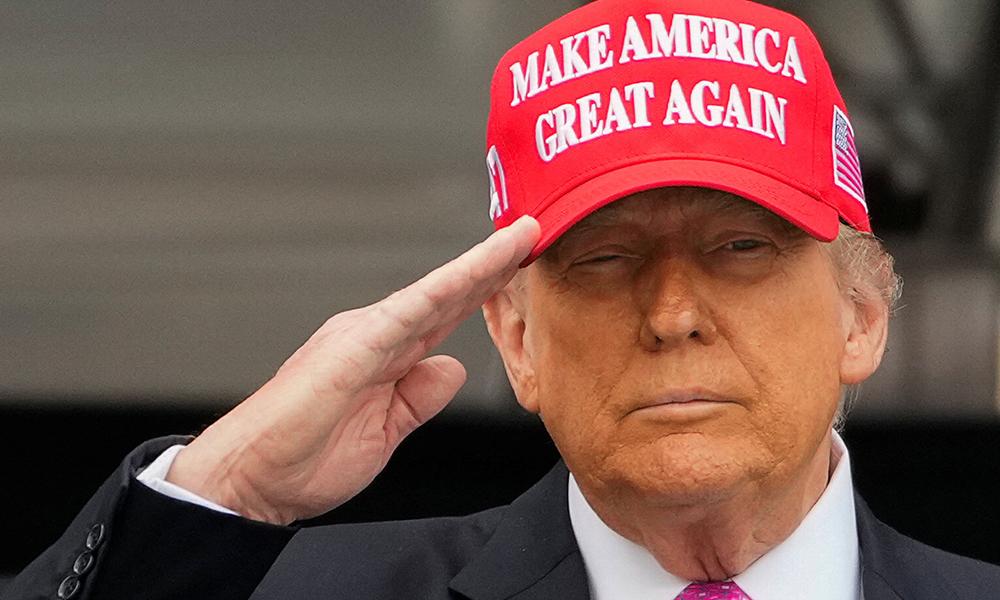
U.S. President Donald Trump repeatedly urged Iranians to keep protesting, demanded leadership change, and threatened strong action.
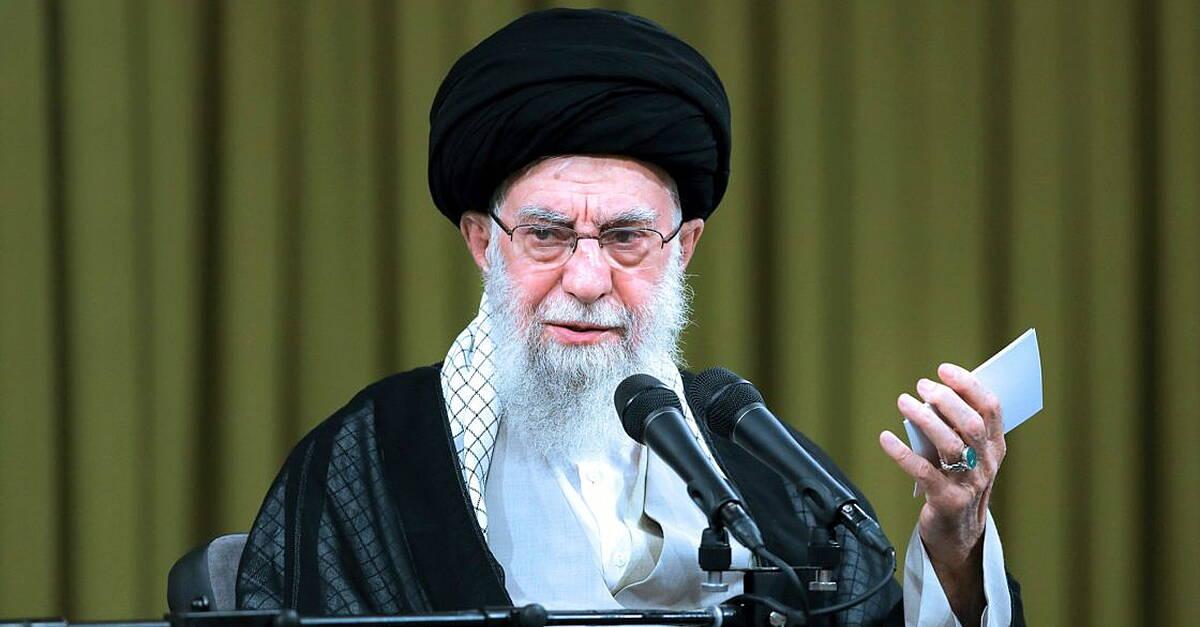
Supreme Leader Khamenei accused Trump and the United States of orchestrating the unrest and called Trump a "criminal."
Some foreign governments issued travel advisories or evacuated staff.
Regional leaders publicly weighed in, and media outlets described responses variously as support for protesters, interference, or protective measures for nationals.
Framing of the crackdown
Beyond immediate numbers and state rhetoric, sources differ sharply on the human and historical framing. Some outlets draw parallels with the 1979 revolution and emphasize mass casualty tallies.
“The scale of the violence and unrest has prompted comparisons to the turmoil around Iran’s 1979 revolution.”
Others foreground the anguish of families, diaspora fear, and the chilling effects of a prolonged digital blackout. Many note that secrecy, arrests, and censorship make a full accounting impossible and warn that the crackdown's long-term political effects are uncertain.
