Iranian Security Forces Massacre Thousands of Protesters in Brutal Crackdown

Iranian Security Forces Massacre Thousands of Protesters in Brutal Crackdown

15 January, 202620 sources compared
Iran-Israel

Key Points from 20 News Sources

  1. 1

    Security forces killed more than 2,400 protesters nationwide.

  2. 2

    Security forces used live ammunition and shotgun pellets against protesters.
  3. 3

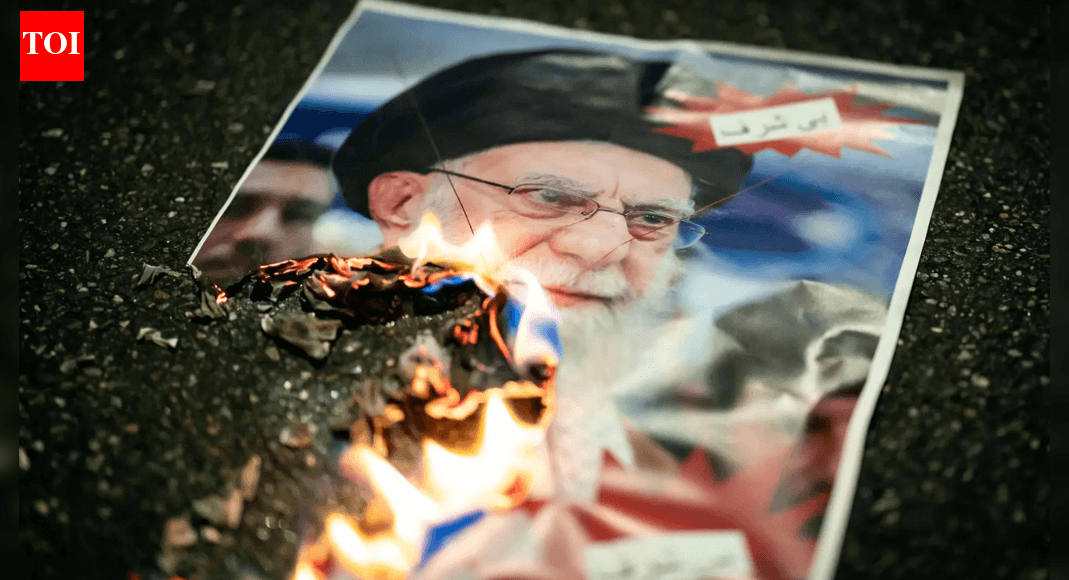
    Authorities arrested thousands and vowed fast‑track trials, including capital 'moharebeh' charges.

Full Analysis Summary

Iran protests and crackdown

Widespread anti-government protests began on 28 December and escalated in early January.

The protests were met with a severe, nationwide security response and an unprecedented internet blackout.

Families focused on counting and burying the dead amid the crackdown.

Middle East Eye reported the demonstrations began across Iran on 28 December and escalated in early January.

PBS described massive anti-government protests met by a deadly crackdown and an unprecedented internet blackout.

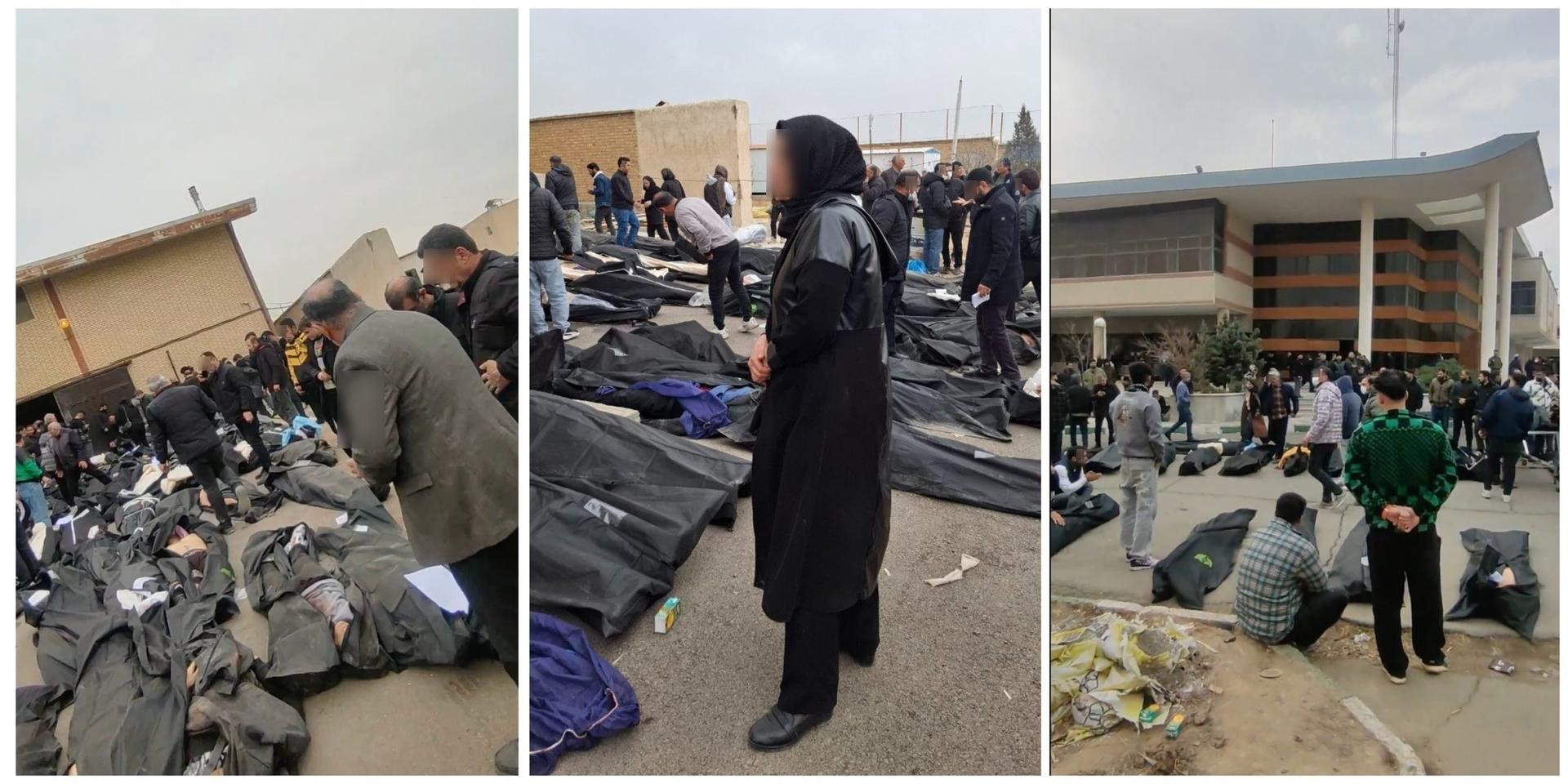
The BBC verified mortuary footage showing dozens of bodies and noted Iran's internet blackout had passed 100 hours, constraining independent verification.

France 24 summarized the situation as a violent crackdown, with rights groups reporting hundreds killed and thousands detained.

Coverage Differences

Tone and emphasis

Western alternative and activist‑focused outlets (Middle East Eye) foreground the protests’ timeline and grassroots escalation, while mainstream international outlets (PBS, BBC, France 24) emphasize both the scale of the crackdown and the communications blackout that hinders verification. Each source reports similar events but frames the immediate priorities differently: crowd dynamics and escalation (Middle East Eye), humanitarian impact and verification challenges (PBS, BBC), and a summary of rights‑group claims (France 24).

Verification constraints

Some outlets rely heavily on social‑media and mortuary footage (BBC’s Verify work), while others report aggregated claims from rights monitors and activist networks; all note the internet shutdown’s impact on independent confirmation. This produces cautious language in mainstream outlets versus more assertive casualty figures in activist‑linked reporting.

Amnesty findings on killings

Amnesty International released detailed forensic-style findings alleging mass unlawful killings across multiple provinces, drawing on videos, eyewitness testimony, and hospital and mortuary footage.

Amnesty says its materials indicate Iranian security forces carried out mass, unlawful killings during a violent crackdown between 8–10 January 2026 across Tehran province and several other provinces.

The report documents images including at least 205 distinct body bags in one Kahrizak overflow morgue and at least 120 body bags at Behesht Zahra cemetery.

Amnesty calls for restoration of internet access and for international accountability measures such as a UN Security Council referral to the ICC and national prosecutions under universal jurisdiction.

The BBC and France 24 reported on the mortuary footage and Amnesty's conclusions, noting pressure on international bodies to act.
Coverage Differences

Detail versus summary

Amnesty provides granular forensic claims (specific body‑bag counts and described firing patterns), while mainstream outlets (BBC, France 24) tend to summarize Amnesty’s conclusions alongside other reports; Amnesty’s own report asserts mass unlawful killings and urges ICC referral, a legal and prescriptive stance less prominent in general news summaries.

Calls for action

Amnesty explicitly urges legal accountability (UN Security Council referral, ICC, national prosecutions), while other outlets primarily report those calls rather than amplifying a single legal prescription, reflecting Amnesty’s activist mandate versus the descriptive role of news outlets.

Conflicting death toll reports

Casualty figures reported by rights groups, activist monitors, international media and state sources vary widely, producing large disagreements about the death toll.

Middle East Eye cites Norway-based Iran Human Rights (IHRNGO) as having verified at least 734 deaths.

An anonymous Iranian official reportedly told Reuters the death toll may be about 2,000.

Other monitors and outlets report substantially higher counts, with BBC referencing HRANA's reporting of 2,403 dead and The Globe and Mail and other outlets citing HRANA figures around 2,600.

PBS and several U.S. outlets quote activists saying at least 2,500 people — and possibly many more — have been killed.

At the same time, Iranian officials publicly dismissed higher tolls as a 'misinformation campaign' and characterized many combatants as 'terrorist elements,' creating competing narratives about the scale and nature of the violence.

Coverage Differences

Contradiction

Rights groups and activist monitors (HRANA, IHRNGO, activists cited by PBS/NBC) report death tolls ranging from hundreds to several thousand, whereas Iranian officials reject high figures and call some reporting a 'misinformation campaign'—a direct contradiction between external monitors and the state. Each side’s claims are reported, but verification is limited by the communications blackout.

Range and sourcing

Some sources cite verified tallies from specific monitors (IHRNGO’s verified 734), while others report aggregated activist claims (2,400–2,600 reported by HRANA and other activist networks) or unverified government hints (anonymous official told Reuters may be 2,000). The range underscores uncertainty and differing standards of verification.

Alleged lethal crowd control

Multiple sources describe lethal crowd-control methods, including live ammunition, rooftop/sniper fire, pellet shotguns, beatings, unmarked vehicles and mass arrests.

They report that elements of Iran’s security apparatus — including the IRGC and Basij — were implicated.

Amnesty’s evidence describes security forces firing on fleeing protesters and bystanders and rooftop/sniper firing from police positions, and eyewitnesses reported live ammunition, pellet wounds, firing into homes, arrests and relentless shooting.

Middle East Eye and Telegrafi each report security forces switching from pellets to live rounds and describe shootings at close range.

RTTNews catalogues rifles and shotguns loaded with metal pellets, water cannons, tear gas and beatings.

Iranian officials counter that they were confronting "terrorist elements," according to CNN, and state media blamed foreign actors for incitement, reflecting sharply different narratives about intent and targets.
Coverage Differences

Narrative and attribution

Rights groups and local eyewitness‑focused outlets attribute lethal intent and coordinated tactics to security forces (Amnesty, Middle East Eye, Telegrafi), while Iranian officials and state media present the violence as a response to 'terrorist elements' and foreign instigation (CNN, state media reports). This produces conflicting accounts of whether victims were peaceful demonstrators or armed actors.

Method specifics versus generalized reporting

Some outlets provide weapon‑specific descriptions (Amnesty’s sniper and body‑bag counts, RTTNews’ list of shotguns, pellets, tear gas), whereas others report broader patterns without forensic detail. The variance affects how readers evaluate the scale and manner of the violence.

International responses to Iran

International responses have ranged from diplomatic pressure and travel advisories to the weighing of military options and urgent calls for accountability.

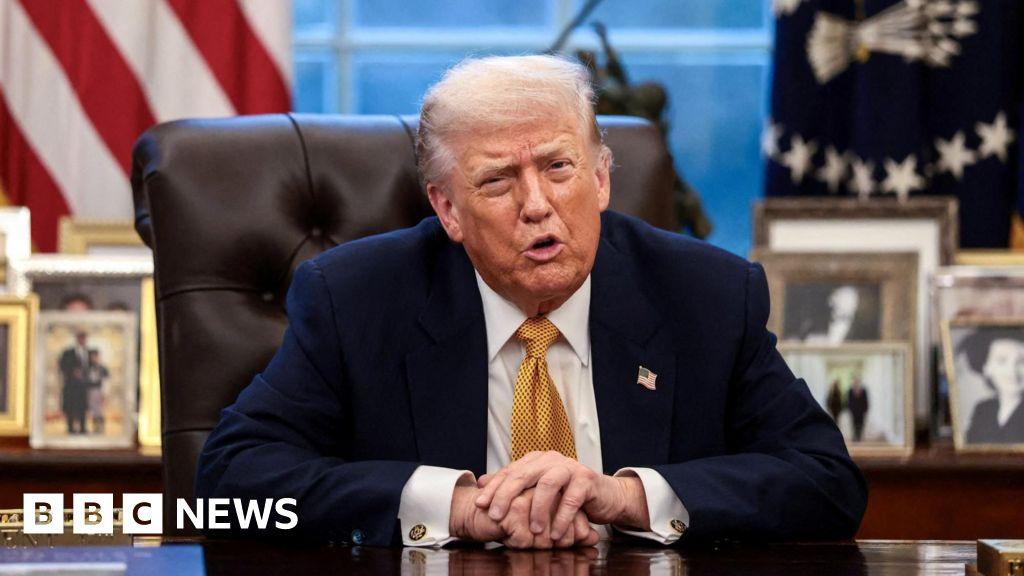
U.S. outlets such as PBS report that U.S. officials have considered a range of military options, while CNN and France 24 say G7 ministers condemned Iran's brutal repression and warned of further restrictive measures.

Several countries temporarily scaled back diplomatic presence or advised citizens to leave, and the UN human-rights chief urged investigations and accountability, according to reports.

Amnesty and other rights monitors have urged international legal action and immediate halts to executions, and media outlets relay these calls alongside warnings about the risks of escalation.

Coverage Differences

Response emphasis

Some Western mainstream sources foreground U.S. contingency planning and the possibility of military options (PBS, CNN), while human‑rights–focused outlets emphasize legal accountability and ICC referral (Amnesty) and regional outlets detail diplomatic precautions (Gulf News, The Globe and Mail). That split reflects differing editorial focus: security risk and military posture versus legal remedies and humanitarian protection.

Risk framing versus legal framing

Security outlets and some mainstream reports highlight immediate risks of regional escalation and military choices, whereas rights groups and some international agencies prioritize documentation, investigation and prosecution—two distinct policy frames that appear across the coverage.

All 20 Sources Compared

Al Jazeera

Iran’s judiciary to speed up trials of accused in protests crackdown

Read Original

Amnesty International

Iran: Massacre of protesters demands global diplomatic action to signal an end to impunity

Read Original

BBC

Tehran morgue videos show the brutality of Iran's crackdown on protesters

Read Original

BBC

Trump says Iran has 'no plan' to execute protesters

Read Original

CNN

Live updates: More than 2,400 protesters killed in Iran as Trump warns against executions

Read Original

Fox News

Mamdani finally speaks out about Iranian regime's deadly crackdown on protesters

Read Original

France 24

Iranian Foreign Minister says there is 'no plan' to hang people

Read Original

Gulf News

Iran crisis: Do not repeat same mistake, Iran FM warns US President Trump

Read Original

Hindustan Times

Iran protests highlights: Tehran extends airspace closure; over 3000 people killed amid unrest | World News

Read Original

Middle East Eye

How Iran's internet blackout opened the door to a deadly crackdown

Read Original

NBC 5 Dallas-Fort Worth

Iranians in North Texas on edge after deadly crackdown on protestors

Read Original

NBC News

Trump warns Iran against protest executions as death toll jumps past 2,500, activists say

Read Original

PBS

Iran protests have eased after government's brutal crackdown, activist says

Read Original

RTTNews

Trump Warns Of Strong Action As Deadly Crackdown Of Protests Continues In Iran

Read Original

Telegrafi

'They kept killing': Eyewitnesses describe deadly crackdown on protests in Iran

Read Original

The Globe and Mail

Trump claims Iran has stopped killing protesters even as Tehran signals executions ahead

Read Original

The Guardian

Iran crisis explained: what we know so far

Read Original

The Mirror

Trump Iran LIVE: Airspace chaos as US issues 'we will hit them' threat

Read Original

The Namibian -

Trump says Iran has ‘no plan’ to execute protesters

Read Original

Times of India

'Do not repeat same mistake': Iran's fresh warning to Trump; Air India, IndiGo issue advisory amid airspa

Read Original