Iran-Israel25 January, 20262 min read
Iranian Security Forces Massacre Up to 30,000 Protesters on January 8–9
Iranian Health Ministry officials reported up to 30,000 killed on January 8–9. Iranian security forces used lethal force, including gunfire and heavy weapons, against protesters.

12 outlets told this the same way.
Outlets did split on U.S. Intercepts Iran Message Activating Sleeper Cells After U.S.-Israel Strike Kills Khamenei →
Alleged January 2026 crackdown
A Time-based investigation — reported across several outlets — alleges Iranian security forces may have killed roughly 30,000 people during two days of nationwide unrest on January 8–9, 2026. That figure was compiled from internal hospital data and secret tallies. Multiple summaries note Time relied on hospital reports and anonymous Ministry of Health sources.
“TIME magazine published a report saying nearly 30,000 people may have been killed in Iran over two days (January 8–9) during recent unrest, but it could not independently verify the figure.”
Its highest hospital-based count reached about 30,304, according to those summaries. Outlets emphasize that Time could not independently verify the full dataset amid blackouts and restricted access.
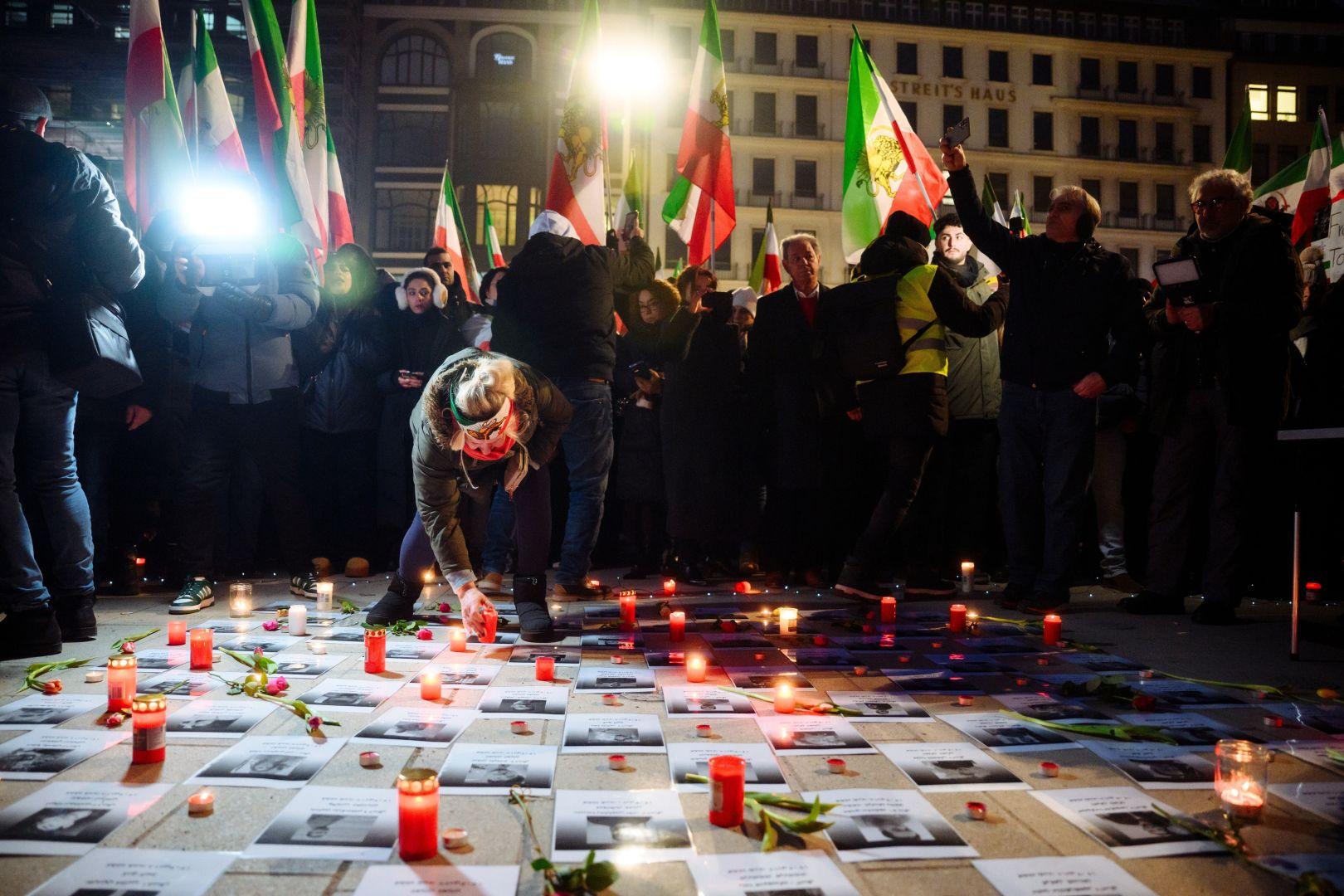
These accounts place the alleged two-day toll far above Iran’s official figure of 3,117 and higher than other rights-group tallies. If confirmed, they characterize the events as among the deadliest modern crackdowns.
Accounts of violent tactics
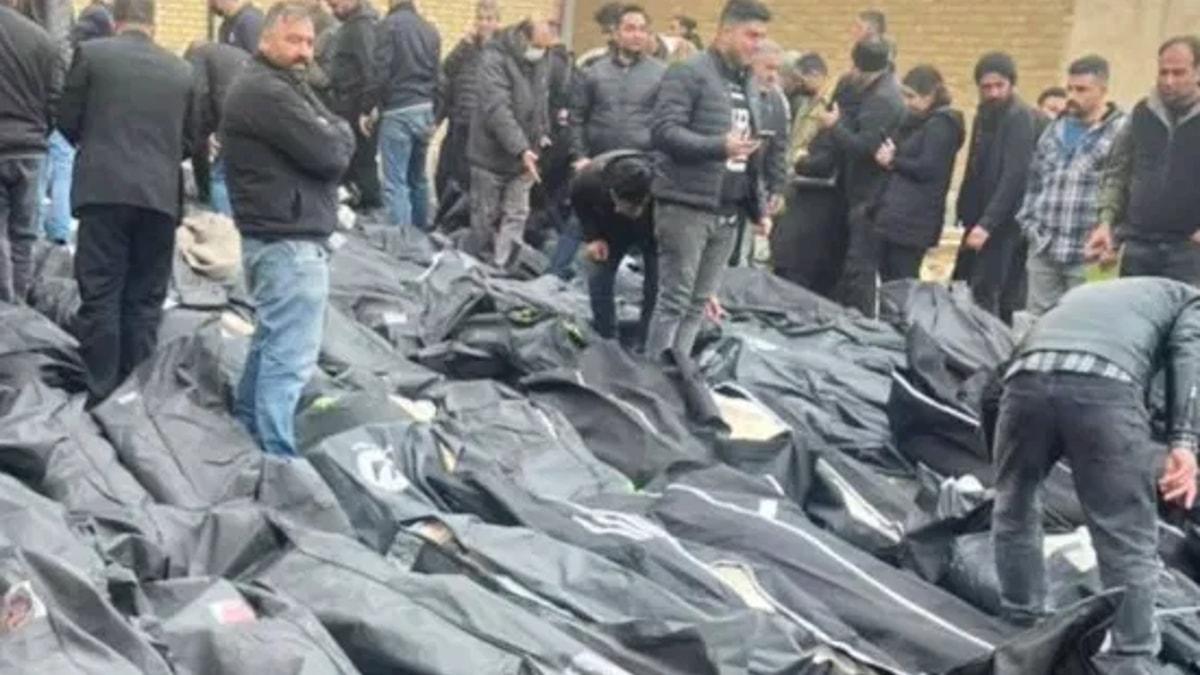
Witnesses and medical workers reported rooftop snipers. They described trucks with mounted heavy machine guns firing into crowds. Reports mention widespread shootings and scenes so overwhelming that body bags ran out.
Eighteen-wheeler trucks were reportedly used to move corpses. Outlets relaying these operational descriptions cite anonymous emergency responders, doctors, and security-ministry sources, either relayed to Time or compiled in leaked hospital tallies. These outlets also consistently noted an internet blackout and jamming that hindered independent verification and the flow of visual evidence.

Disputed casualty counts
Counts of confirmed deaths, injuries and arrests vary sharply across sources. U.S.-based monitoring networks reported roughly 5,459 confirmed deaths, with many thousands more under investigation. HRANA and related rights groups list similar confirmed tallies and large numbers under review.
“The US-based HRANA network reports 5,495 confirmed deaths (5,149 protesters), is investigating 17,031 suspected cases, and says 7,403 people were seriously injured and 40,887 arrested.”
Iran's official figure stands at 3,117. By contrast, document- or hospital-based tallies reported by outlets relaying Time or leaked hospital counts give much higher numbers, roughly 30,000 to 36,500. Some individual doctors' compilations were cited as reaching 30,304.
Allegations of deadly abuses
Several outlets include witness testimony and allegations of extreme post-arrest and in-hospital abuses. Reports quote medics and survivors who say security forces removed wounded protesters from hospitals and killed them, tracked victims to homes, and in some places surrounded and burned sections of bazaars while shooting those who fled. Some observers and outlets call the events a massacre and liken the scale to historical atrocities, while others limit their language to alleged mass killings pending verification.
Verification limits and responses
Across the coverage there is consensus that verification is severely constrained. Outlets repeatedly cite the nationwide internet blackout, restricted hospital access, and the exclusion of military hospitals from some tallies as obstacles to establishing a definitive count. Coverage also notes that independent investigations are needed.
“If verified, the scale would make this one of the largest government-orchestrated mass killings in modern history, with commentators comparing it to extreme events such as the El Fashir slaughter in Sudan and the Babi Yar massacre.”
Coverage diverges on wider implications: some pieces, including the Washington Examiner and VINnews, emphasize potential geopolitical fallout and draw comparisons to historic massacres. Local and rights-focused outlets stress human-rights documentation and calls for transparent investigations and accountability.