Protests17 February, 20263 min read
Iranian Security Forces Open Fire on Mourners at 40th-Day Memorial, Trigger Fresh Crackdowns
This article is an automated aggregation of coverage from news outlets. Our editorials offer in-depth analysis curated by the NewsCord team.
Security forces opened fire on mourners during 40th-day memorials Large, defiant crowds attended 40th-day memorials for January crackdown victims

5 outlets told this the same way.
Chehelom memorials and crackdown
On Feb. 17 Iranians held 40-day 'Chehelom' memorials for those killed in January’s anti-government demonstrations.
“Public distrust is rooted in past contested official inquiries (1999 dormitory attacks, the 2020 downing of a Ukrainian plane, Mahsa Amini’s death).”
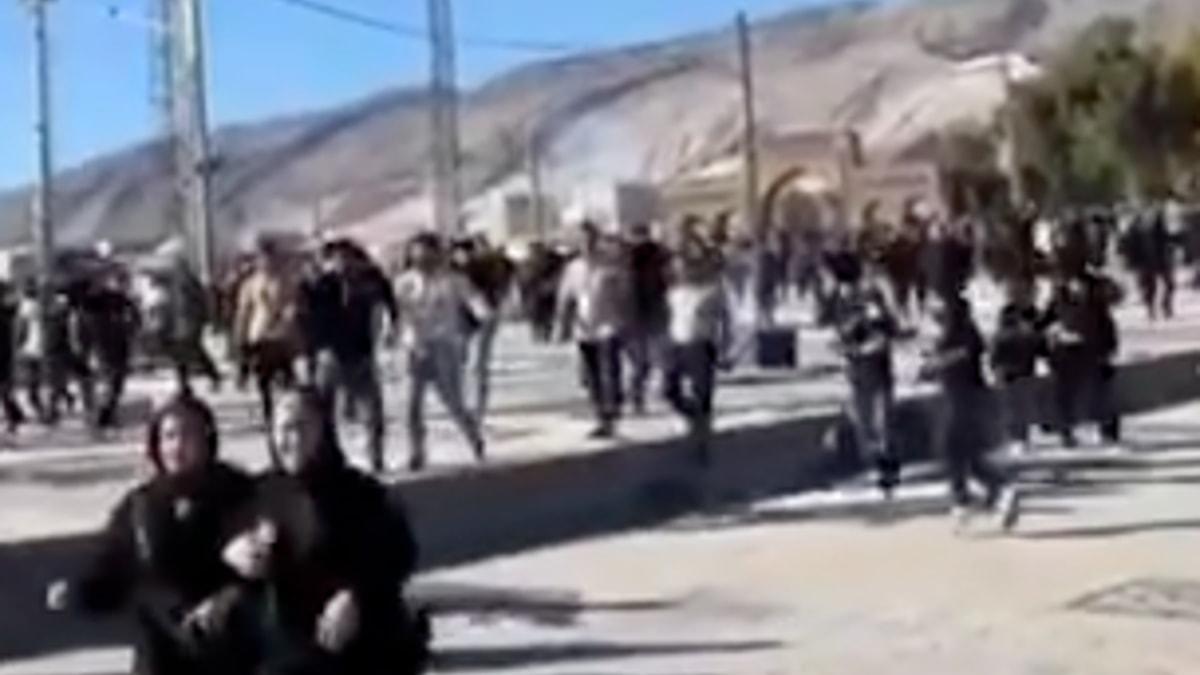
In several locations those commemorations turned into fresh protests that were met with force.
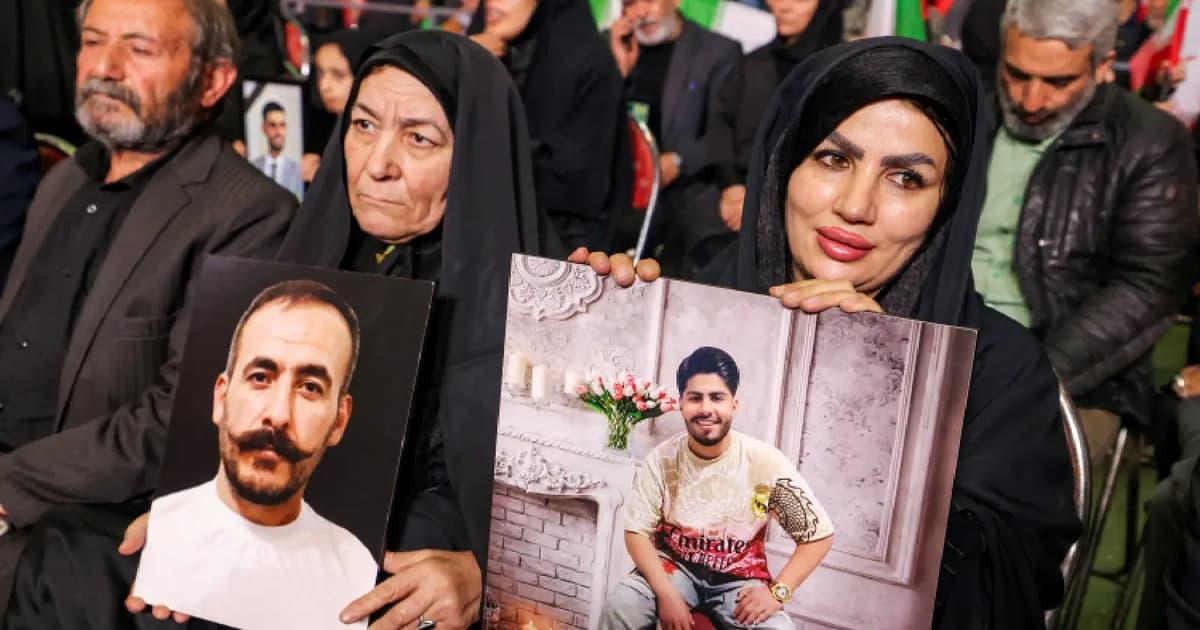
The Straits Times reports authorities tried to channel commemorations into state-organised mosque ceremonies.
Videos verified by Reuters showed families holding independent memorials that in some locations turned into wider anti-government protests that were met with force.
JFeed says security forces opened fire on mourners in Abdanan (Ilam province) on Feb. 17 during 40-day memorial ceremonies and describes nationwide strikes and a harsh security response.
Iran International notes public scepticism about domestic inquiries into the unrest and records official and contested counts of deaths linked to the January protests.
Together the sources depict commemorations evolving into confrontations amid a tense nationwide crackdown.
January unrest casualties
Casualty figures from January’s unrest remain sharply contested across the sources.
JFeed cites the Human Rights Activists News Agency (HRANA), saying at least 7,003 people have been killed, a figure it reports was verified via activist networks.
JFeed contrasts that with the Iranian authorities' lower tally, saying Iranian authorities gave a toll of 3,117 on Jan. 21.
Iran International repeats the presidential office figure of 3,117 deaths in the January unrest, including some security personnel.
Iran International also reports that leaked government documents suggest the figure could be as high as 36,500.
The Straits Times does not attempt its own nationwide death count but reports local injuries and arrests from memorial clashes.
The Straits Times cites Hengaw on Abdanan saying at least three were injured and nine arrested.
These sources therefore contradict each other on the overall death toll, presenting a range from 3,117 to at least 7,003 and, in leaked documents, up to 36,500.
State control of commemorations
Authorities sought to control commemorations and limit independent mourning, while officials publicly promised inquiries. The Straits Times says authorities tried to channel commemorations into state-organised mosque ceremonies and deployed security forces to cemeteries, and that authorities had apologised to 'all those affected' while blaming 'terrorists.'
JFeed notes that authorities moved to tightly control memorial rituals, announcing official ceremonies in Tehran and Mashhad and pressuring some families to hold constrained observances. Iran International records that President Masoud Pezeshkian has ordered further inquiries into allegations and urged police to manage unrest with 'the least possible cost,' but that many reformists and journalists rejected the government's plan for an internal probe and called for independent or international participation.
Verification of reported shootings
Verification of the shootings and clashes rests on video evidence and reports from rights groups and activist networks. The Straits Times cites "videos verified by Reuters" that "show people scattering amid chants of 'death to the dictator'" and references Hengaw on injuries and arrests.
JFeed says "video footage verified by IranInternational shows Iran’s Islamic Revolutionary Guard Corps and other security forces opened fire on mourners in Abdanan," explicitly linking verified footage to the claim of security forces firing on mourners. Iran International’s coverage underscores internal doubts about official narratives and mentions allegations from political figures that security forces "injected violence" to justify a crackdown.
Coverage of Iran unrest
JFeed describes "nationwide strikes by businesses, workers and online influencers" and significant internet disruptions with "national traffic down roughly 45% and overall data exchange nearly halved since Feb. 11."
Iran International highlights large diaspora rallies organized around exiled Prince Reza Pahlavi with turnout figures such as "roughly 250,000 in Munich and about 350,000 in both Toronto and Los Angeles."
The Straits Times warns that reviving the Chehelom tactic "can spur fresh protests."
Reformists and journalists, Iran International reports, "urged the inclusion of independent lawyers, human‑rights activists and foreign‑based academics or the UN High Commissioner for Human Rights" for any credible inquiry.
Tehran "rejects the UN investigators’ mandate."
The situation is portrayed across sources as ongoing and unresolved.