Iran-Israel06 January, 20263 min read
Iranian Security Forces Shoot Dead 27 Protesters in Nationwide Protests Over Economic Crisis
Security forces killed at least 25 protesters nationwide during economic protests Protests began at Tehran’s Grand Bazaar over currency collapse and soaring prices

30 outlets told this the same way.
Outlets did split on U.S. Intercepts Iran Message Activating Sleeper Cells After U.S.-Israel Strike Kills Khamenei →
Protests across Iran
Protests began on 28 December in Tehran's Grand Bazaar over a collapsing rial and soaring inflation. They have spread across much of Iran, and multiple rights groups and media outlets report violent confrontations between demonstrators and security forces. Sources place the unrest in dozens of cities and provinces.
“Protests that began on 28 December in Tehran’s Grand Bazaar over a sharp fall in the rial and soaring inflation have spread across Iran, reaching 27 of 31 provinces.”
The BBC says the protests have spread across Iran, reaching 27 of 31 provinces. Al Jazeera reports the demonstrations began with shopkeepers on December 28 and spread to cities including Mashhad, Qazvin and Hamedan.

Rights-monitoring outlets cited by Business Standard and JFeed say dozens have been killed and more than 1,000 people detained. The exact tolls differ sharply between reports.
Reports of security force violence
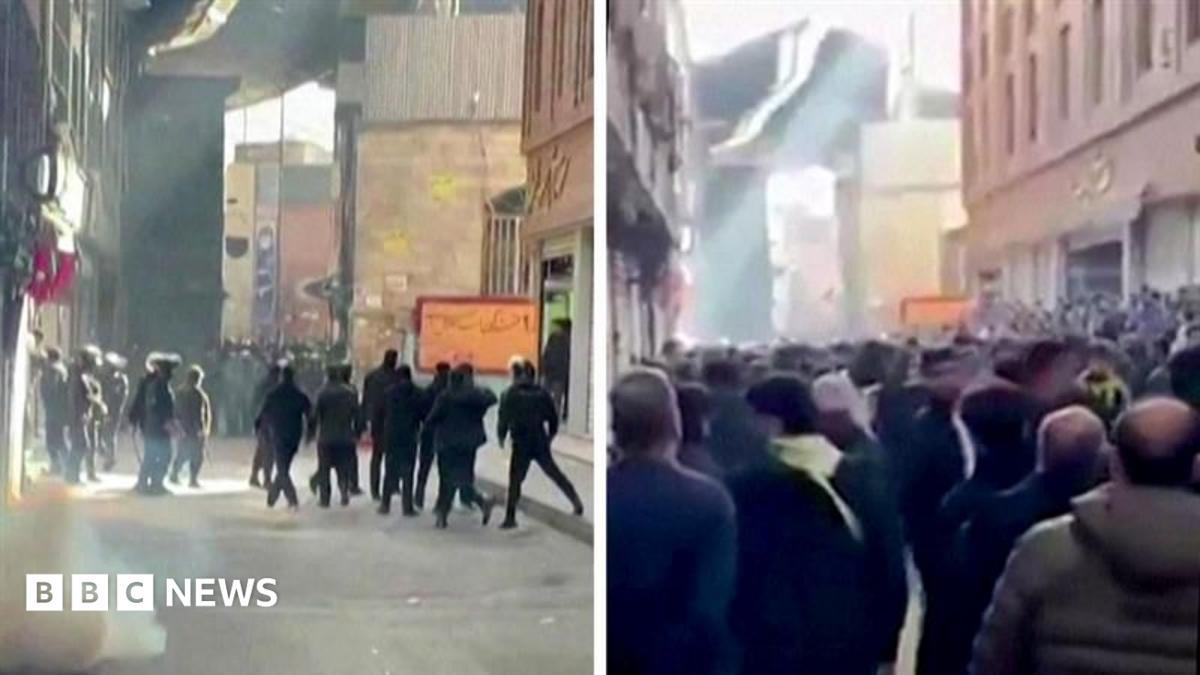
Multiple outlets report videos and eyewitness material showing security forces using lethal force in some locations. There are also allegations that security personnel raided medical facilities. Al Jazeera and The Guardian describe graphic online videos of people being shot and falling as they fled, and footage from Ilam reportedly showed riot police raiding a hospital.
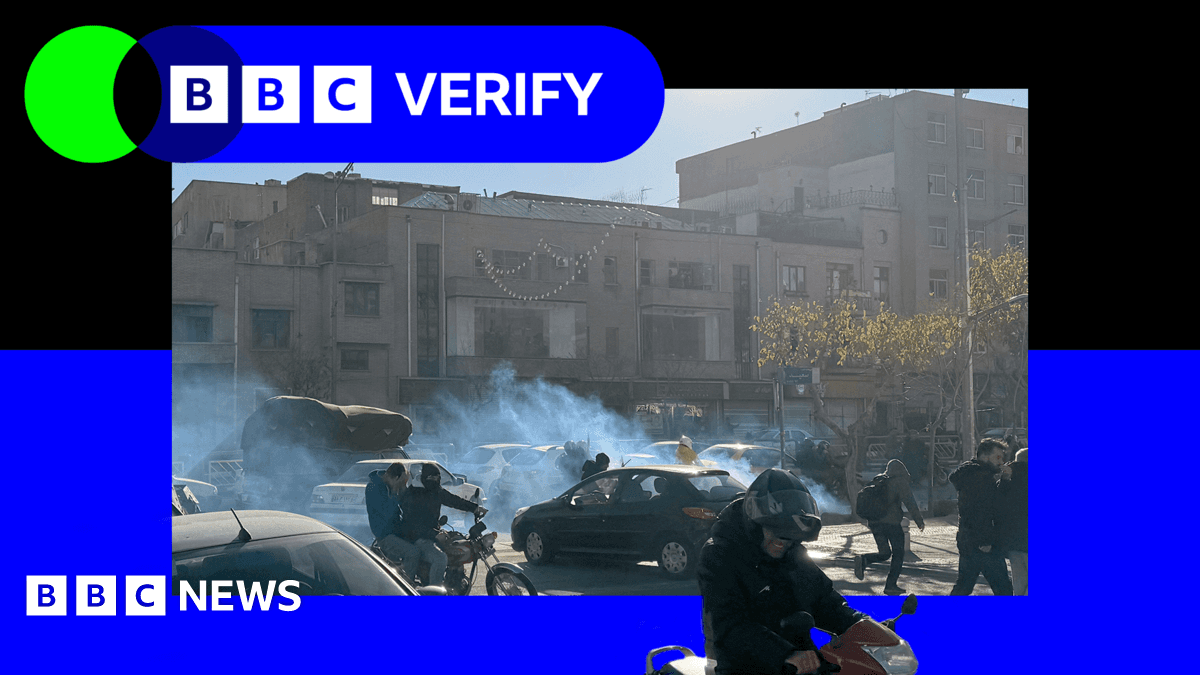
BBC and the Irish Examiner report images and video of riot police firing tear gas and, in some places, shooting at crowds. Several sources say hospitals and funerals became focal points for further clashes after the initial shootings.

Disputed casualty counts
Counting the dead and injured is highly contested: reports range from single-digit or low-teens figures in local reports to the mid-30s in rights-group tallies. Local outlets such as PhotoNews Pakistan and Firstpost cited officials saying at least 12 people had died, while The Indian Express reported the death toll had risen to at least 15. Madhyamamonline estimated the human cost at between about 5 and 25, and HRANA along with outlets cited by Business Standard, JFeed and the BBC referenced figures in the mid-30s.
“Officials say at least 12 people — both civilians and security personnel — have died since the unrest began on December 28, when a strike by Tehran shopkeepers spread to other cities.”
Iranian authorities have not released a single nationwide civilian death toll, and several outlets note Tehran's silence or only partial confirmations about security-personnel deaths. This variance underlines the uncertainty and the difficulty of verifying casualty figures amid internet disruptions and contested reporting environments.
Government and international reactions
Government and security‑force responses have combined promises of investigation with public threats of firm action. The Guardian and Irish Examiner report that President Masoud Pezeshkian announced an investigation into alleged security‑force violence even as police and Basij units continued arrests. Supreme Leader Ayatollah Khamenei publicly called protesters’ demands 'legitimate' but urged that 'rioters' be put in their place, language echoed by the judiciary and other officials who vowed tough responses.
Authorities and state‑linked outlets said some protesters were armed in isolated incidents and reported dozens of police and Basij wounded, a narrative used in some reports to justify security operations. International outlets including Business Standard, BBC and the New York Post noted a hardline U.S. warning by President Donald Trump that 'the United States of America will come to [Iranians’] rescue' if security forces 'shoot and violently kill peaceful protesters'. Iranian officials responded to that warning with threats of retaliation.
Media coverage of Iranian unrest
Many West Asian and Asian outlets stress immediate economic triggers such as a collapsing rial, soaring food prices, and the end of subsidised import dollar rates. Western mainstream and alternative outlets highlight political escalation, strikes in bazaars, and echoes of the 2022–23 unrest. Al Jazeera and the Irish Examiner identify the rial's sharp fall and food-price surges as central grievances.
“The unrest is occurring against a backdrop of severe economic strain: runaway inflation, a collapsing rial (quoted at over 1.47 million to the US dollar), and sharp food-price surges.”
Local stations 1470 and 100.3 WMBD record the central bank chief's replacement and quote a rial rate of 1,489,500, while AnewZ cites inflation above 42%. EA WorldView and NCRI emphasise how funerals, bazaars, and workplace stoppages broadened the unrest into a challenge to the clerical system. With conflicting casualty counts, selective official disclosures, and extensive online footage, the overall picture remains contested and fluid.