Full Analysis Summary
Escalating unrest and clampdown
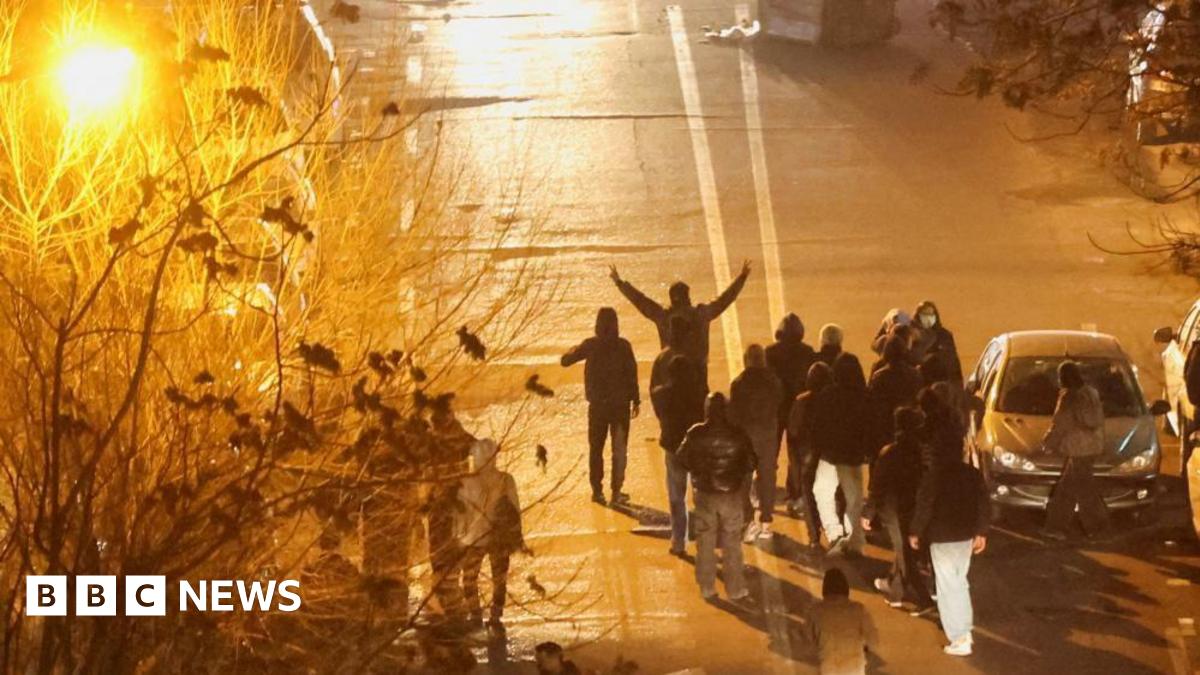
Iran has witnessed a rapid escalation of domestic unrest as large, angry street protests that once filled Tehran and other cities have been met with a severe security response from the authorities.
The BBC reports the unrest represents the government's most serious internal challenge since the 1979 revolution and that security forces have carried out an 'unprecedentedly brutal security crackdown,' while residents and journalists describe it as 'too dangerous to go out.'
The authorities have also implemented an 'almost complete internet blackout,' constraining independent reporting and contributing to an information blackout about events on the ground.
Coverage Differences
Limitation / Missing comparison
Only one source (BBC - Western Mainstream) is available in the provided materials, so cross-source comparison (contradictions, tone differences, or omissions across source types) cannot be performed. Therefore the statements and tone below reflect only what the BBC reports and cannot identify divergent narratives from West Asian or Western Alternative outlets.
Violent crackdown and cover-up
Eyewitnesses and reports reaching the outside world via satellite networks such as Starlink described overwhelmed hospitals, long lines of body bags, and widespread fear as security forces used heavy shooting to disperse demonstrators.
The BBC says residents' accounts and leaked information contradict official claims of calm and control.
Officials, the BBC reports, tried to project control by staging pro-government crowds and declaring the situation 'under total control,' even as independent reports portray a far more violent reality.
Coverage Differences
Tone / Narrative (official vs. eyewitness reporting)
Within the single available source, BBC contrasts official government claims with eyewitness and leaked reports: officials are quoted as saying the situation is "under total control" and staging pro-government crowds, while witnesses and leaked material describe "overwhelmed hospitals" and "long lines of body bags." With no other sources available, a cross-source tone comparison cannot be made.
Regional and international implications
The crisis has regional and international implications amid heightened tensions following a recent 12-day Iran–Israel conflict and US strikes that Washington says have weakened the regime.
The BBC notes President Trump has warned of possible further US military action and that Washington reports Tehran has offered to return to talks, though demands like 'zero enrichment' are stated as non-starters for Iranian leaders.
Analysts, the BBC reports, suggest Iran's leadership appears focused on clamping down internally to survive rather than making major policy concessions, leaving few options to improve ordinary Iranians' lives.
Coverage Differences
Context / Emphasis
BBC situates the domestic crackdown within a wider context of recent military clashes and US warnings. Without additional sources, it's not possible to show how other outlets might emphasize different international drivers or portray the regime's offers to return to talks. The BBC itself reports both the US position (warnings of military action and describing Tehran's outreach) and Iran's apparent internal focus on survival.
Iran protests outlook
Analysts quoted by the BBC warn that even if protests are suppressed by force, the Iranian government faces limited options to alleviate the grievances that sparked the unrest.
The report says the regime's short-term priority appears to be survival — 'clamping down to survive' — rather than making concessions that could address ordinary Iranians' economic and political concerns.
The coming days or weeks, the BBC writes, may determine whether the crisis escalates into more military conflict or whether a forceful silencing of dissent succeeds.
Coverage Differences
Analytical focus / Prognosis
Given only the BBC's analysis is available, no cross-source contrast is possible on long-term prognoses or proposed remedies. The BBC emphasizes analysts' view that the regime has few options besides repression, and frames the near future as potentially decisive for escalation or suppression.
Iran unrest summary
Based solely on BBC reporting, Iran's current unrest includes large-scale protests met with lethal force.
There have also been extensive information blackouts and conflicting public narratives between officials and leaked eyewitness reports.
These events occur against a backdrop of recent regional hostilities and international warnings.
Because only one source is provided, this account is limited to the BBC's framing and phrasing and cannot reliably identify comparisons, contradictions, or alternative perspectives.
Coverage Differences
Overall limitation notice
The requested multi-source, cross-type comparison cannot be produced because only BBC (Western Mainstream) material was provided. The paragraph therefore summarizes the BBC account and explicitly notes the inability to perform the multi-source difference analysis the user asked for.