
Iran Attacks Gulf Energy Facilities, Sends Oil Prices Higher
Key Takeaways
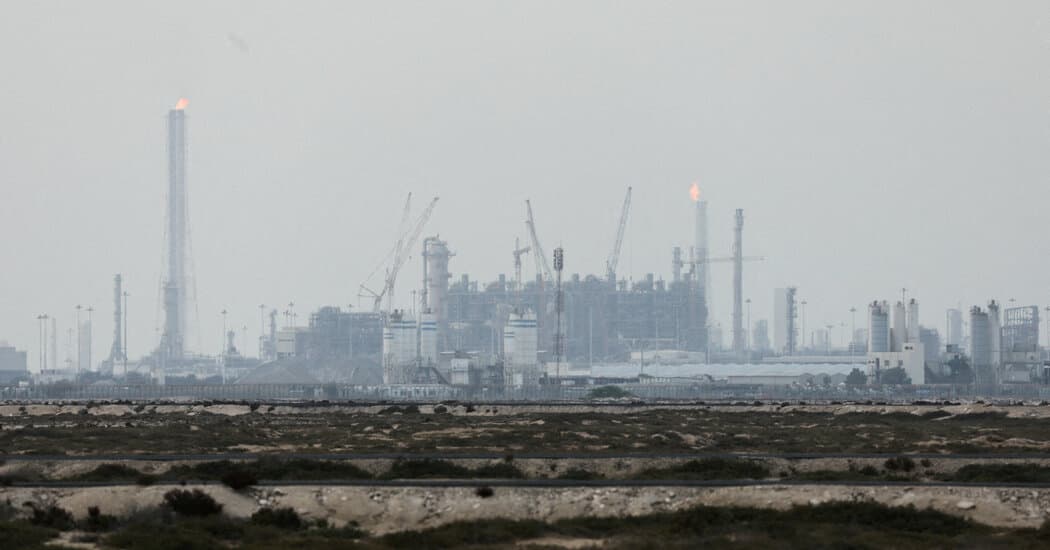
- Iran ballistic missiles hit Ras Laffan Industrial City in Qatar, causing extensive damage and fires.
- Oil prices surged globally after Iran attacked Ras Laffan energy hub.
- Ras Laffan is Qatar’s main LNG hub housing the world’s largest LNG facility.
Regional Escalation
Iran escalated the Middle East conflict dramatically on March 18-19, 2026, by retaliating against an Israeli strike on its South Pars gas field with coordinated attacks on energy infrastructure across the Gulf region.
“Qatar has said Iranian missile attacks on the Ras Laffan Industrial City, the country’s main gas facility, have caused “significant damage””
The Israeli strike on the world's largest natural gas reserve, shared with Qatar, marked a significant escalation that prompted Tehran to vow attacks on oil and gas targets throughout the Gulf.
Iranian Revolutionary Guards issued stark warnings, stating 'We warn you once again that you made a big mistake in attacking the energy infrastructure of the Islamic Republic' and promising 'further attacks on your energy infrastructure and that of your allies will not stop until it is completely destroyed.'
This tit-for-tat exchange represents a dangerous expansion of the conflict beyond direct military confrontation into critical economic infrastructure that supports global energy supplies.
Infrastructure Damage
Iran's retaliatory strikes caused significant damage to critical energy infrastructure across multiple Gulf nations.
Qatar's Ras Laffan Industrial City, the world's largest liquefied natural gas facility responsible for roughly 20% of global LNG supply, suffered 'extensive damage' from missile attacks that sparked 'sizeable fires.'

The facility had already been targeted earlier in the month, forcing production halts.
Saudi Arabia reported intercepting multiple ballistic missiles and drones, with debris from one interception landing near a refinery south of Riyadh.
The UAE's Habshan gas facilities and Bab field were also attacked, with operations suspended after debris from intercepted missiles fell on the sites.
Iranian authorities had issued advance evacuation warnings for oil facilities across Saudi Arabia, the UAE, and Qatar, declaring these sites 'direct and legitimate targets' in response to the Israeli attack on South Pars.
Market Impact
The attacks sent global energy markets into turmoil, with oil prices surging to multi-year highs as investors feared prolonged supply disruptions.
“Qatar announced that the military and security attachés at the Iranian embassy and the personnel working at the attaché offices are persona non grata, in response to Iran's repeated attacks on Qatari territory”
Brent crude prices jumped more than 5% to above $112 per barrel, while West Texas Intermediate crude rose to around $96-$99 per barrel.
The price increases reflected market anxiety over the potential for sustained damage to energy infrastructure and Iran's effective closure of the Strait of Hormuz, through which approximately one-fifth of the world's oil and LNG supplies normally pass.
Analysts warned that the conflict could drive Brent crude to $150-$200 per barrel in the coming months if energy infrastructure attacks continue and the strategic waterway remains closed.
The energy shock extended beyond crude oil, with natural gas prices also expected to rise sharply as the world's largest LNG processing facilities faced sustained damage.
International Response
The attacks triggered strong international condemnation and diplomatic repercussions across the region.
Qatar condemned the Iranian strikes as a 'dangerous and irresponsible escalation' that represented 'a direct threat to its national security' and expelled Iranian military and security attaches within 24 hours.

Saudi Arabia warned that 'patience in Gulf not unlimited' and reserved the right to take military action if deemed necessary, while the UAE described the attacks as a 'dangerous escalation.'
A joint statement from foreign ministers of 12 Arab and Islamic states meeting in Riyadh condemned Iran's attacks on civilian infrastructure and called for an immediate halt to hostilities.
French President Emmanuel Macron called for a moratorium on strikes targeting civilian infrastructure, while U.S. President Donald Trump threatened to 'massively blow up the entirety of the South Pars Gas Field' if Iran continued attacks on Gulf energy facilities.
Strategic Significance
The strategic significance of targeting energy infrastructure represents a dangerous escalation with potentially catastrophic global implications.
“DUBAI, United Arab Emirates (AP) — Iran intensified its attacks on its Gulf Arab neighbors' energy infrastructure Thursday, setting Qatari liquefied natural gas facilities and two Kuwaiti oil refineries ablaze as it hit back following an Israeli attack on its main natural gas field, a major escalation in the Mideast war that has sent global fuel prices soaring”
South Pars/North Dome is the world's largest natural gas reserve, containing an estimated 1,800 trillion cubic feet of usable gas—enough to supply global needs for 13 years.

The attacks signal a shift from military objectives to economic warfare, with Iran explicitly targeting facilities that supply Europe, Asia, and global markets.
Experts warned that the damage could take months or years to repair, with the Gulf region being the world's largest exporter of urea, a key fertilizer ingredient that could trigger an immediate global food security crisis if supply chains are disrupted.
The conflict has already reduced daily oil exports from the region by at least 60% from prewar levels, forcing Gulf neighbors to curtail oil and gas production as pipelines and storage facilities reach capacity.
More on Iran
Iran Strikes Qatar's LNG Facility; Trump Warns of South Pars Destruction
10 sources compared

Israel Strikes Iranian South Pars Gas Field in Coordination With U.S.
13 sources compared
Iran Threatens to Strike Gulf Energy Facilities After South Pars Gas Field Hit
13 sources compared
Trump weighs deploying thousands of US troops to the Middle East as Iran war escalates
12 sources compared