Iran21 February, 20262 min read
Iranian Students Rally Nationwide, Chant "Death to Khamenei" and Defy Regime as Universities Reopen
This article is an automated aggregation of coverage from news outlets. Our editorials offer in-depth analysis curated by the NewsCord team.
Students at major Iranian universities staged mass anti-government protests nationwide as campuses reopened Students chanted "Death to Khamenei" and other anti-regime slogans at multiple campuses
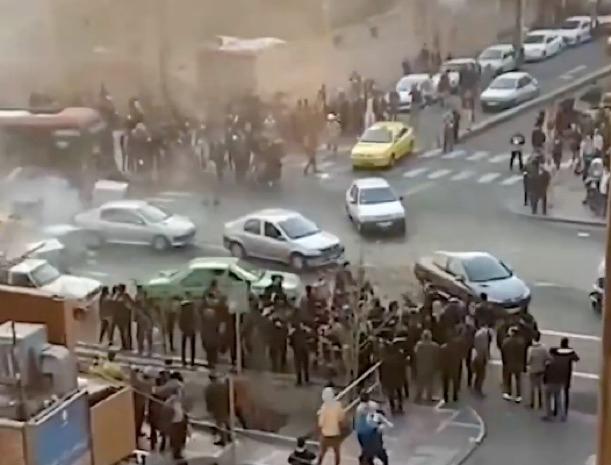
13 outlets told this the same way.
Campus protests in Iran
As Iranian universities reopened on Feb. 21, students across Tehran, Mashhad and other cities rallied in what multiple outlets described as the largest campus protests since last month's deadly crackdown.
“Students at several Iranian universities held what organizers called the largest anti‑government demonstrations since last month’s deadly crackdown. BBC‑verified images show a peaceful sit‑in at Tehran’s Shahid Beheshti University and chanting at Amir Kabir University; hundreds marched at Sharif University where scuffles later broke out; in Mashhad students chanted ‘Freedom,’ honored those killed in January’s protests and carried national flags, with some shouting ‘death to the dictator.’”
They staged sit-ins, marches and memorial observances while chanting slogans that included "Death to Khamenei" and "Death to the dictator."

BBC-verified images and reporting described peaceful sit-ins at Shahid Beheshti and chanting at Amir Kabir, with hundreds marching at Sharif where scuffles later broke out.
Local and regional outlets likewise reported mass turnouts and confrontational slogans as campuses became a focal point for renewed dissent.
Organisers called for further protests.
Footage and eyewitness reporting from several sources showed both national flags and memorial photos carried by students during the rallies.
Mourning-linked campus rallies
The rallies coincided with 40‑day mourning ceremonies for those killed in January’s nationwide protests. Many students explicitly linked their actions to memorial observances, and outlets reported students carrying memorial photos, holding vigils and using mourning anniversaries as mobilising moments. Al Jazeera and PBS described the 40‑day memorial context as central to the campus mobilisations, noting that students broke expected norms at mourning events and that the government has resisted independent international inquiries into the January killings while maintaining internet restrictions.
Conflicting reports on protests
Reports diverge sharply on the degree of state force used and the nature of clashes. Some outlets — including worldisraelnews and JFeed — reported security forces and Basij militia blocking exits, detaining demonstrators and directly engaging students. By contrast, BBC and PBS documented peaceful sit‑ins and chanting in many locations, with scuffles breaking out in specific places such as Sharif University.
“Students this week staged protests at several Iranian universities — including Sharif and Beheshti in Tehran and Mashhad University of Medical Sciences — with reports that security forces blocked exits and detained demonstrators.”
The NCRI and other exile or activist sources described Basij attacks on student gatherings and explicit anti‑regime confrontations. These varying accounts contradict each other on whether demonstrations were largely peaceful or met with force, producing a picture that differs across local, state-linked and overseas reporting.
Student protests coverage
Students' grievances reported across outlets included renewed campus morality policing, new surveillance systems, high inflation and unemployment, and the detention of activists. These themes were framed variously as economic and social protests or as explicitly anti-regime actions. The Daily Jagran emphasised morality policing, surveillance and economic grievances, with protesters carrying signs such as "We study for a future that does not exist."
JFeed and NCRI highlighted anti-regime and even pro-monarchy slogans. BBC and The Indian Express linked the student actions to broader nationwide unrest that critics say is the biggest challenge to the government since 1979.
Campus unrest and diplomacy
The campus unrest unfolded amid international tensions and parallel diplomatic developments. Several outlets reported U.S. and Iranian delegations meeting in Switzerland, with talks described as making progress even as the U.S. military posture in the region was reported to have been strengthened. BBC and The Indian Express noted U.S. officials' warnings and President Trump's comments about possible limited strikes.
“The unrest... comes amid rising US–Iran tensions — the US has built up forces nearby and President Trump said he was considering a limited strike — even as officials from both countries reported progress in nuclear talks in Switzerland.”
Al Jazeera highlighted Tehran's repeated claims that foreign states backed "terrorists" and the regime's rejection of outside probes. The reports show how domestic unrest and international diplomacy were reported as intertwined but framed differently across outlets.
