Protests10 January, 20263 min read
Iranians Launch Nationwide Uprising to Oust Regime
Protests spread nationwide to all 31 provinces, evolving from economic grievances into anti-regime demands Security forces' crackdown and shootings reportedly killed dozens to hundreds; rights groups say thousands detained

36 outlets told this the same way.
Outlets did split on France Suspends Police Stun Grenades at High School Protests After 15-Year-Old Loses Hand →
Iran nationwide protests
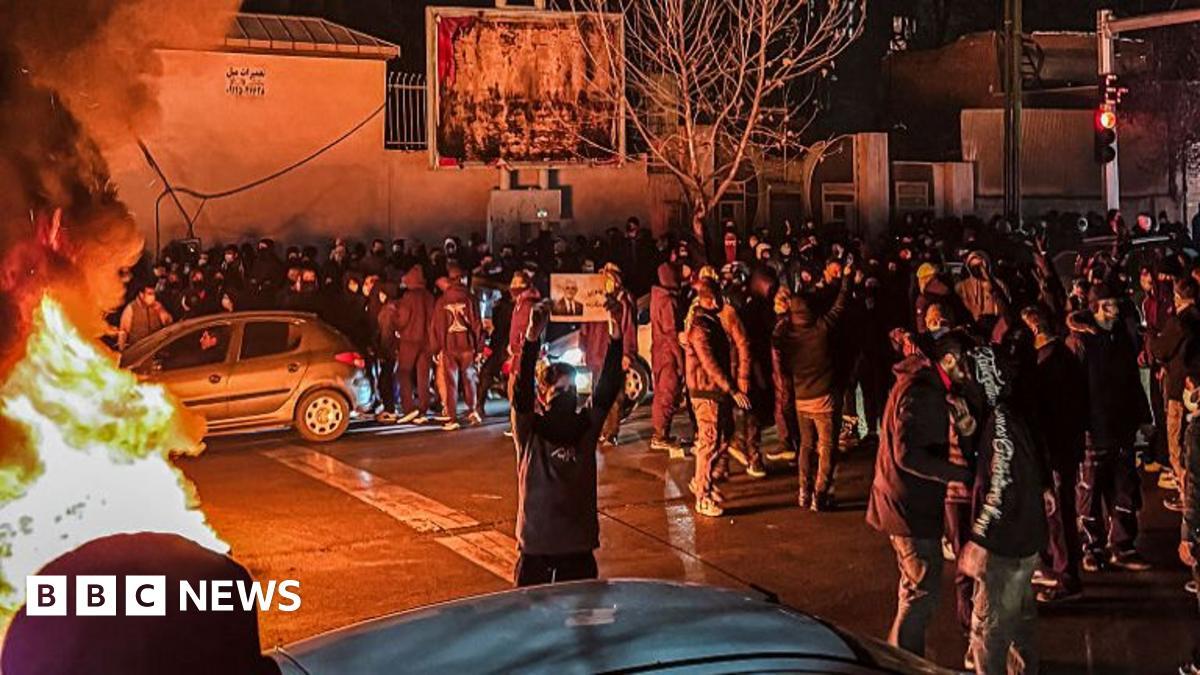
Mass demonstrations erupted across Iran in late December and quickly spread nationwide as protesters rallied over soaring inflation and a collapsing currency. Outlets described scenes of large marches, burned vehicles and chants against the clerical leadership. Many observers said the unrest has broadened into a direct challenge to the Islamic Republic.
“Mass protests have erupted across Iran over a worsening economic crisis, drawing thousands onto the streets and prompting an intensified government crackdown.”
Al Jazeera reported that mass protests have erupted across Iran over a worsening economic crisis, drawing thousands onto the streets. Newsweek reported that demonstrations evolved into broad anti‑regime demonstrations, with crowds chanting against Supreme Leader Ayatollah Ali Khamenei. The BBC stated the unrest had escalated into broader calls to end the clerical rule of Supreme Leader Ayatollah Ali Khamenei.

Crackdown and casualty reports
Authorities responded with a forceful crackdown and imposed severe communication controls. Casualty figures vary widely across reports because access to the affected areas is restricted. The BBC highlights verified video showing rows of body bags and cites HRANA figures reporting hundreds killed and thousands detained.
DW says dozens have been killed but notes that exact casualty figures are unverified due to a nationwide internet and international-call blackout. The Daily Mail reports that medical sources and hospitals said hundreds may have been killed while the government cut communications for roughly 85 million people.

Causes of Iran protests
Analysts and some outlets emphasize the economic roots of the unrest, citing years of subsidy cuts, a collapsed currency and the impact of sanctions that have left ordinary Iranians struggling.
“The currency has collapsed (roughly 30-fold loss) and inflation surges repeatedly, leaving the government unable to sustain subsidies or decent wages.”
This economic strain has created a large constituency for protest that extends beyond earlier women-led movements.
RBC‑Ukraine explains that Iran’s post‑revolution economic model was crippled by U.S. sanctions and that the rial has suffered a roughly 30‑fold loss.
Moneycontrol and MM News cite sharp rial devaluation and inflation as proximate triggers of the Dec. 28 protests.
Several Western outlets note the protests quickly took on a broader political content, including chants for exiled figures such as Reza Pahlavi.
International reactions to Iran unrest
International responses ranged from warnings and offers of support to cautious intelligence assessments. U.S. officials publicly threatened consequences if Iran killed protesters and were reported to be considering options. Some governments and rights groups urged restraint and humanitarian concern.
The BBC and United News of Bangladesh quoted statements about U.S. warnings and possible strikes. The Daily Mail reported the U.S. was 'ready to help.' Moneycontrol highlighted that U.S. intelligence judged the protests not yet capable of toppling the Supreme Leader.
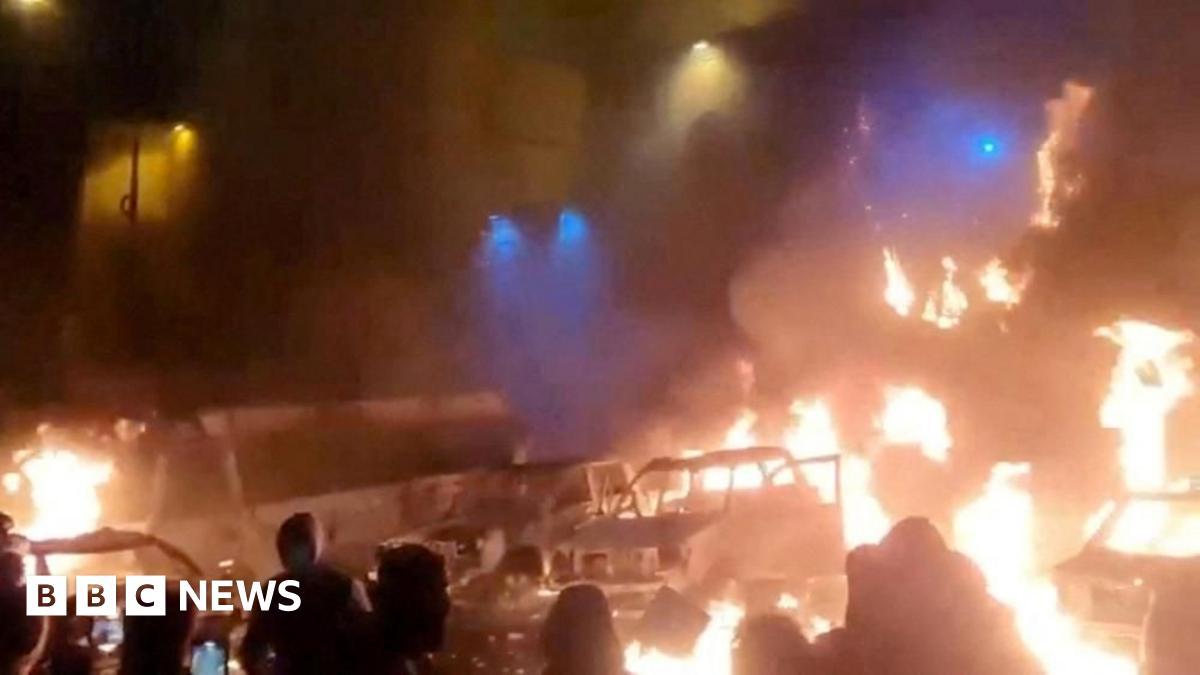
Diplomatic rhetoric hardened despite that assessment. Several sources noted Iranian leaders blamed foreign enemies and warned of retaliation.
Communications blackout impact
A near-nationwide communications blackout and restricted reporting complicate independent verification of events and produce wide discrepancies between claims. NetBlocks and iwcp.net report an internet shutdown that cut access to near-zero levels and canceled flights. The BBC says the blackout is more severe than in 2022 and limited external reporting.
“A nationwide communications blackout in Iran entered a second day Friday, disrupting phone networks, canceling commercial flights and cutting internet access to about 1% of normal levels, NetBlocks reported.”
News24online and The Independent report variations in blackout length, about 36 hours by some counts, and wide effects on emergency response and reporting. Because of these limits, sources rely on hospital tallies, activist groups such as HRANA, and leaked video, all of which yield differing casualty and detention numbers.