Full Analysis Summary
Pahlavi's role in protests
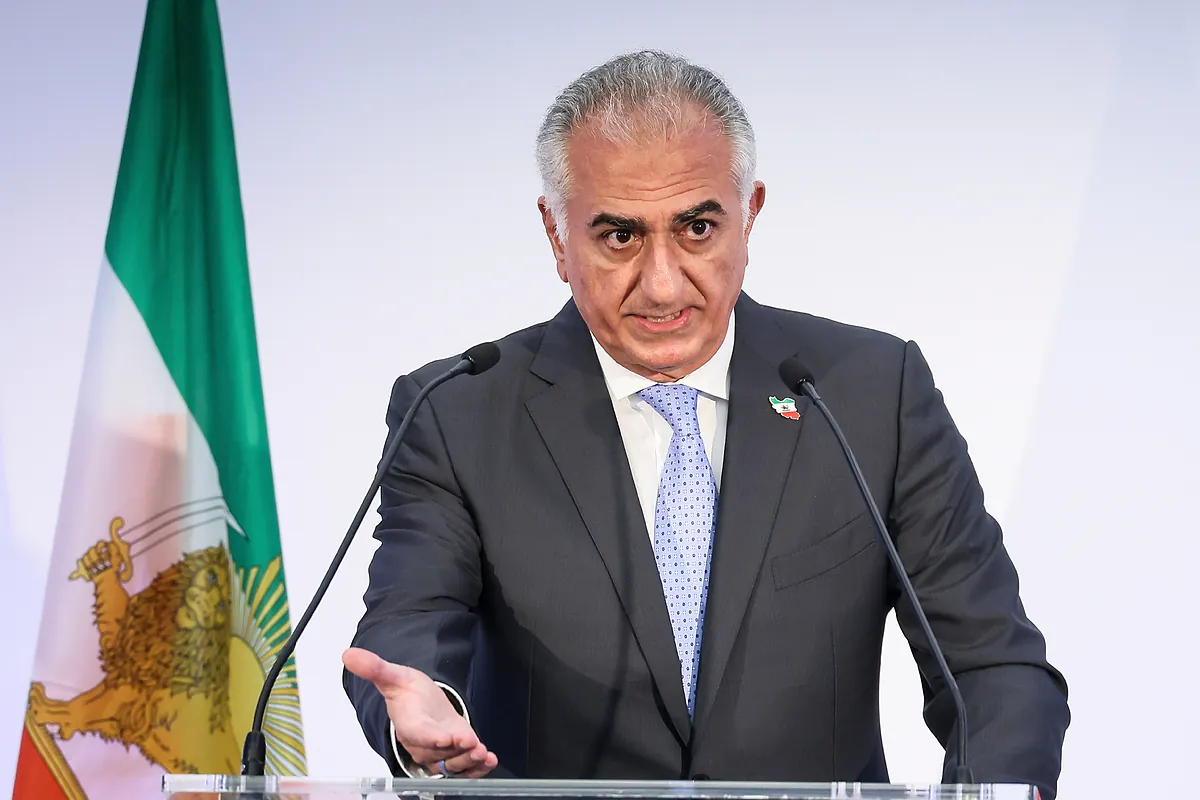
Reza Pahlavi, the exiled son of Iran’s last shah, has emerged as a prominent opposition figure amid nationwide protests that began in late December.
He has urged continued demonstrations and a general strike while saying he will return to Iran when conditions permit, raising his international profile.
El Mundo reports that his visibility has increased as he calls for sustained unrest and signals readiness to come back if circumstances allow.
The article also notes ambiguity about the true extent of domestic support for the monarchy and warns that some online material may have been manipulated.
It adds that monarchist symbols and chants are mainly seen among young demonstrators.
Overall, Pahlavi is portrayed as a symbol for some protesters while his actual backing inside Iran remains uncertain.
Coverage Differences
Limited source set / missed comparisons
Only El Mundo is available among the provided sources, so cross-source differences (e.g., contrasts between West Asian, Western Mainstream, and Western Alternative coverage) cannot be directly identified. The single source itself reports Pahlavi's rising profile, his calls for protest and strike, and caveats about unclear domestic support and manipulated online material; these are El Mundo's reported observations and not corroborated by other sources in the dataset.
Pahlavi's foreign backing
El Mundo reports that Pahlavi’s rise is aided by external political backing, saying he receives covert support from the Trump White House alongside overt backing from Israel, which has boosted his international visibility and ambitions to see the Islamic Republic fall and potentially restore the monarchy.
The piece frames this external support as significant to his profile while also implicitly raising questions about the domestic legitimacy of a figure associated with foreign patrons.
The article references the family’s historical grievances, especially Farah Pahlavi’s lingering resentment over the U.S. role in 1979 and President Jimmy Carter’s treatment of the deposed monarch, which shaped their exile and contextualize contemporary claims of foreign involvement.
Coverage Differences
Limited source set / tone and attribution
With only El Mundo available, there is no opportunity to contrast claims about U.S. or Israeli support with alternative narratives (e.g., denials, corroboration, or differing tones). El Mundo reports the claims of covert Trump-era backing and open Israeli support and also reports the Pahlavi family’s historical resentment toward U.S. policy in 1979; without other sources we cannot adjudicate these claims or show differing emphases between outlets.
Monarchist Symbols in Iran
Inside Iran, El Mundo notes a visible resurgence of monarchist symbols and chants among demonstrators, who are predominantly young.
The article warns that some online content may have been manipulated, so visible motifs do not necessarily indicate a broad, organized monarchist movement.
This caution frames Pahlavi's influence as partly symbolic and contested rather than an unambiguous mandate for regime change.
Coverage Differences
Limited source set / narrative nuance
El Mundo’s nuance—acknowledging young protesters’ use of monarchist imagery while questioning the depth of support and pointing to manipulated online material—cannot be checked against other outlets here; thus we cannot show whether West Asian or Western Alternative sources emphasize grassroots monarchist momentum, skeptical manipulation claims, or different interpretations of youth symbolism.
Context of Pahlavi opposition
El Mundo situates Pahlavi’s activism against the backdrop of the Pahlavi family’s historical exile and grievances.
It highlights Farah Pahlavi’s deep resentment over the U.S. role in 1979, particularly President Jimmy Carter’s treatment of the deposed monarch, and frames this history as shaping the family’s long-standing opposition to the Islamic Republic.
This historical context is presented as relevant to understanding both the Pahlavi siblings’ motivations and how foreign governments’ reactions can influence the optics of opposition movements abroad.
Coverage Differences
Limited source set / historical framing
Because only El Mundo is provided, we cannot contrast how other source types might differently foreground the 1979 U.S. role, or whether they would depict Farah Pahlavi’s resentment as central, peripheral, or used by critics to question Reza Pahlavi’s domestic legitimacy.
Coverage and source limitations
El Mundo presents a measured portrait: Reza Pahlavi has gained international prominence amid mass protests and reportedly benefits from external backing.
Inside Iran his symbolic resonance is visible, but the depth of that support remains ambiguous.
Only a single Western mainstream source appears in the dataset, so readers should note the absence of corroborating or contrasting reporting from West Asian or western alternative outlets.
This absence limits the ability to fully map differing narratives, tones, or possible contradictions across media ecosystems.
Coverage Differences
Missed information / dataset limitation
The crucial difference is the absence of other source types: without West Asian, Western Alternative, or multiple Western Mainstream sources, we cannot demonstrate how different outlets might portray Pahlavi (e.g., as a foreign-backed figure, a grassroots leader, or an opportunist). El Mundo’s account stands alone here and both supplies information and explicitly signals uncertainty about domestic support.