Iran-Israel30 December, 20252 min read
Iranians Stage Strikes and Protests Across Cities After Rial Plunges; Students Join Tehran Grand Bazaar Walkouts
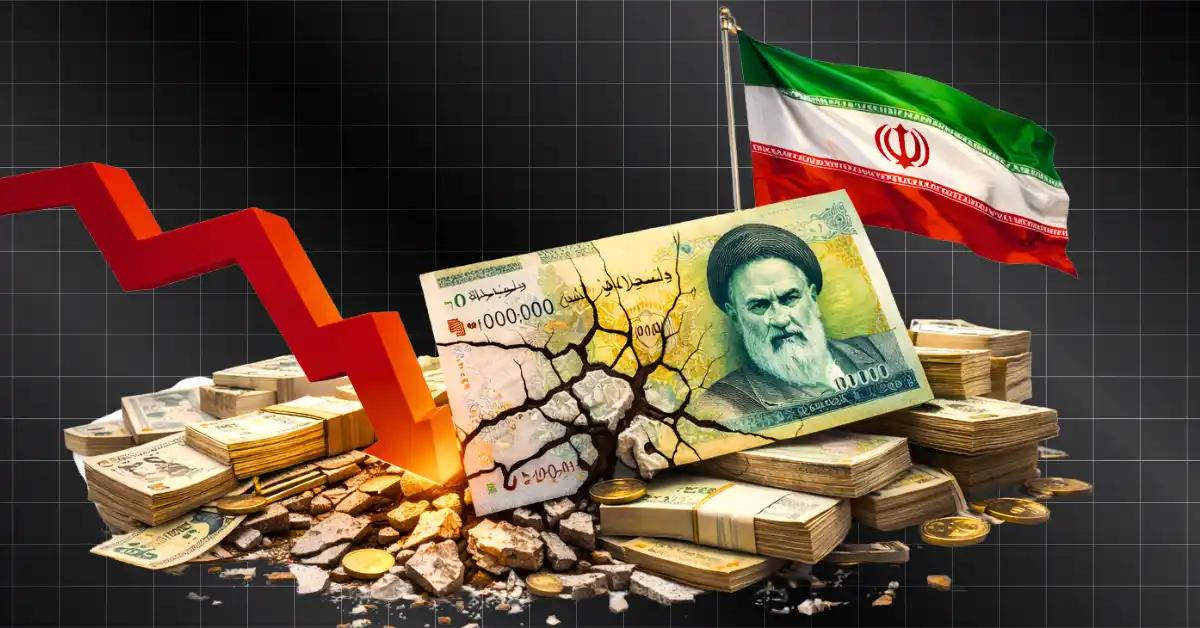
Iran's rial plunged to a record low around 1.4 million per US dollar. Shopkeepers and traders shut shops and staged strikes in Tehran's Grand Bazaar, sparking nationwide protests.

22 outlets told this the same way.
Outlets did split on U.S. Intercepts Iran Message Activating Sleeper Cells After U.S.-Israel Strike Kills Khamenei →
Iran currency protests
Protests and strike actions erupted across Iran after the rial plunged to a record low on the open market. They began with merchant walkouts in Tehran’s Grand Bazaar and spread to cities including Isfahan, Shiraz, Mashhad, Karaj, Hamedan, Qeshm, Malard and Kermanshah. Verified social-media footage and multiple news agencies reported shopkeepers and traders closing stores and staging strikes.
“Protests and strikes over soaring inflation and a collapsing rial have spread across Iran for a third day, moving beyond Tehran’s Grand Bazaar to cities including Karaj, Hamedan, Qeshm, Malard, Isfahan, Kermanshah, Shiraz and Yazd.”
Security forces used tear gas to disperse crowds in parts of Tehran. The unrest coincided with the resignation of Central Bank governor Mohammad Reza Farzin and came amid widespread public anger over soaring prices and a collapsing currency.
Economic grievances and causes
Economic pain and sharp currency devaluation were central grievances. The rial fell to about 1.42 million per US dollar on the open market, and official and reporting outlets put December inflation roughly in the low-to-mid 40% range, with food and medical costs far higher. Several outlets tied the crisis to sanctions and long-running structural problems, while others pointed to recent domestic policy moves such as fuel or tax changes that exacerbated public anger.
Protests and political responses
Political and social dynamics quickly joined the economic grievances. University students joined Tehran rallies and some chanted anti-government slogans such as "Death to the dictator," while videos showed pro-monarchy chants and street scenes reminiscent of past national unrest. Exiled royal claimant Reza Pahlavi and opposition groups publicly voiced support, and outlets recorded a mix of domestic political criticism and calls for broader mobilization.
“University students joined, chanting anti-government slogans such as ‘Death to the dictator’ (targeting Supreme Leader Ayatollah Khamenei) and some chanted pro-Shah slogans; exiled royal claimant Reza Pahlavi voiced support.”
Government response to protests
Authorities' responses combined conciliation and containment. President Masoud Pezeshkian publicly said the government recognizes the protests and instructed the interior minister to meet representatives.
He accepted the central bank chief's resignation and named Abdolnasser Hemmati as his replacement. At the same time, state security forces used tear gas in some locales and the judiciary warned of penalties for those blamed for currency manipulation.

Unrest and reactions in Iran
Observers warn the unrest could mark the most serious challenge to Iran's leadership since 2022-23.
“Analysts say the crisis is tied to longstanding U.S. sanctions and other structural problems, and observers called the unrest the biggest challenge to Iran’s leadership since the 2022 protests over Mahsa Amini’s death.”
Commentators and analysts are split on whether sanctions, economic mismanagement, or recent policy moves are the dominant cause.
International reactions ranged from praise for protesters on U.S. Persian-language accounts to strategic remarks by foreign leaders.
Some analysts warned the rapid rial slide risks deeper inflation and a longer economic breakdown if not addressed.