Protests04 January, 20262 min read
Iranians Stage Widening Protests Over Economic Collapse, Pressuring Tehran Theocracy
Soaring inflation and currency collapse triggered Iran's largest protests in years. Demonstrations spread nationwide, including Tehran, western regions, and Baluchistan.

13 outlets told this the same way.
Outlets did split on France Suspends Police Stun Grenades at High School Protests After 15-Year-Old Loses Hand →
Widespread protests in Iran
Widening protests have swept across Iran in recent days, driven primarily by severe economic distress and growing political frustration, and are applying fresh pressure on the Tehran government. Reporting from multiple outlets describes large-scale demonstrations that began with bazaar closures and merchant-led actions before spreading to students and provincial cities, making these the biggest protests in roughly three years.
“Widespread economic pain and political frustration have touched off protests across Iran that began with merchants closing shops over worsening conditions and have spread to about 32 cities.”
Observers tie the unrest to a collapsing rial, soaring prices, reimposed international sanctions and residual strains after a June exchange with Israel. Many accounts note the demonstrations remain smaller and more diffuse than some past movements, yet are nonetheless nationally significant.

Economic collapse and protests
Economic collapse is identified across reports as the proximate cause. The rial has plunged, losing roughly half its value, inflation has surged, and everyday costs are rising. Renewed U.N. sanctions and lingering fallout from regional clashes have compounded the hardship.
Outlets quantify the damage differently but consistently report a sharp deterioration in living standards. The economy is strained by external pressure and internal mismanagement, factors that helped turn market protests into broader anti-government demonstrations.
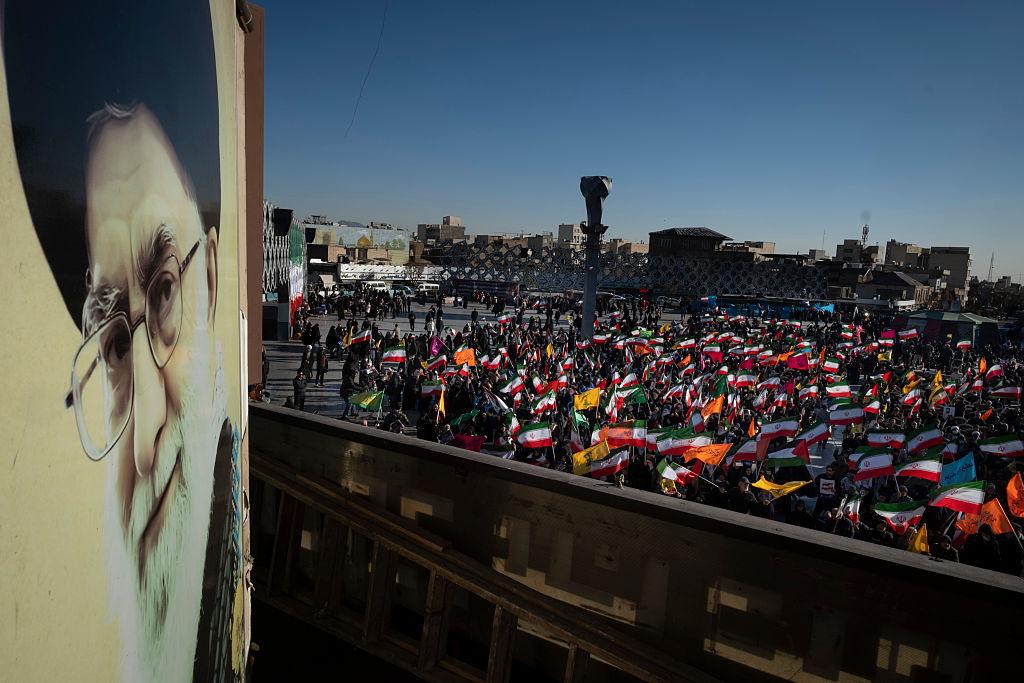
Disputed casualty reports
Reports diverge sharply on casualties, arrests and on-the-ground verification. Human rights and monitoring groups cited by several outlets give varying death and detention counts: HRANA is quoted with higher arrest and death figures by TRT World and fakti.bg, the Kurdish group Hengaw is cited with a higher death toll by fakti.bg, and The Guardian cites human rights groups saying eight protesters were killed and at least 119 detained. State outlets and Gulf News note conflicting claims, including an assertion that a Revolutionary Guards member was killed, underscoring how casualty tallies remain contested and difficult to verify independently.
“Kurdish group Hengaw said at least 17 people were killed, while HRANA reported 16 dead and 582 arrested.”
Allegations of Foreign Interference
The international dimension and accusations of foreign meddling are prominent in many accounts and are themselves contested. Tehran Times details alleged external involvement, citing Mossad's Persian-language X account. It also discusses praise and criticism of Israel and U.S. signals and highlights interventionist comments by former President Trump that drew sharp Iranian warnings.
Western outlets such as PBS and The Guardian report threats or warnings by U.S. officials and note that Iranian leaders accused the U.S. and Israel of backing unrest. Gulf News and TRT World emphasize recent military exchanges and renewed international sanctions as a backdrop that intensifies domestic unease.

Unrest, politics and economics
Outlooks differ and hinge on politics and economics. Reformist President Masoud Pezeshkian is reported urging dialogue and has taken some measures to ease bazaar grievances. Analysts and officials warn that deeper structural problems — sanctions, inflation, governance failures, and security responses — leave the near-term uncertain.
“Economically, the Pezeshkian administration has eased some immediate bazaar grievances, but deeper structural problems persist.”
Some outlets stress the risk of further escalation as security forces clear streets and target armed cells. Other outlets note public reluctance to invite foreign intervention. The combination of severe economic pain, contested casualty figures, and polarized narratives about foreign involvement makes the immediate trajectory unclear and subject to competing interpretations in reporting.
