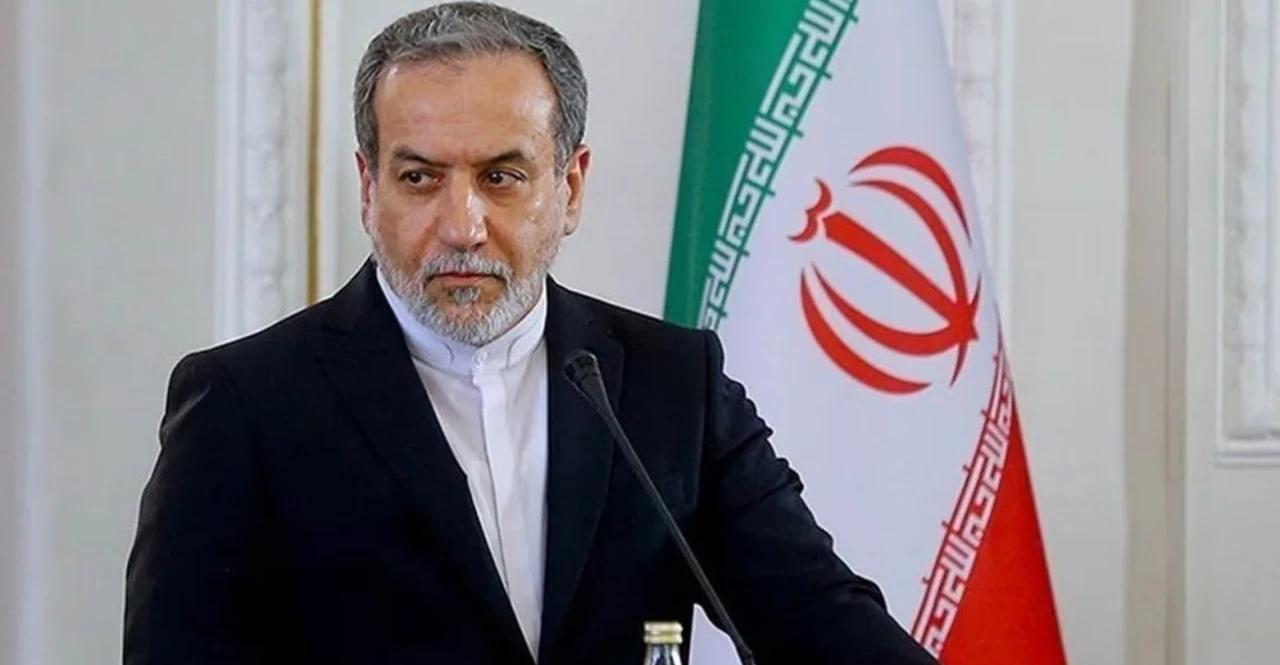
Iran’s Abbas Araghchi Says US Talks Deadlock Over Enriched Uranium, Postponed
Key Takeaways
- Iran-US talks on enriched uranium remain in deadlock.
- Enriched uranium talks postponed to a later negotiation stage.
- Spoke at BRICS meetings in New Delhi, expressing distrust of US intentions.
Nuclear talks hit deadlock
Iran’s Foreign Minister Abbas Araghchi said negotiations with the United States over Iran’s enriched uranium have reached a “deadlock,” and that the issue is likely to be “postponed” until later stages of future talks.
“Iran’s Foreign Minister Abbas Araghchi says his government received messages from President Donald Trump’s administration indicating it is open for new talks to end the war in the region, but “distrust” remains in Tehran about US intentions”
Speaking at a media conference during a key BRICS meeting in India’s capital, New Delhi, Araghchi said Iran received messages from President Donald Trump’s administration indicating it is open for new talks, but “distrust” remains in Tehran about US intentions.

Araghchi said mediation efforts led by Pakistan regarding ongoing indirect negotiations with the US have not failed but are facing a “very difficult course,” citing mistrust toward Washington and contradictory American messaging.
Shafaq News reported that Iran and the United States agreed to postpone discussions over Tehran’s enriched uranium stockpile to later stages, while both sides focus on reopening the Strait of Hormuz and lifting the US blockade.
Shafaq News added that US officials cited in American media estimate Iran’s enriched stockpile at roughly 400 to 450 kilograms enriched to 60% purity.
Araghchi doubts US intent
At a press conference during his visit to New Delhi for the 18th BRICS Summit-related meetings, Araghchi said, “We are in doubt about their seriousness,” but added that if the US is “ready for a fair and balanced deal,” Iran will proceed in negotiations.
Araghchi told reporters that “We have come to a conclusion with the Americans that since it is very difficult, we are almost in a deadlock in this particular question, let’s postpone it to the later stages of our negotiations.”
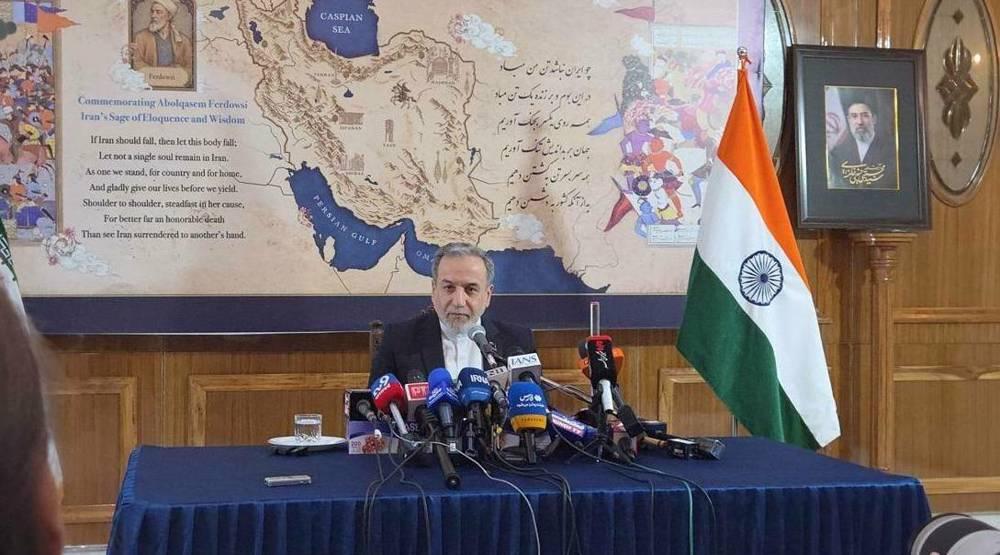
PressTV reported Araghchi said the issue of enrichment is “very complicated” and that Iran has come to the conclusion it has “almost reached a stalemate,” prompting Tehran to postpone it to the next stages of negotiations.
PressTV also quoted Araghchi saying, “We cannot trust the Americans at all,” and that the US sends “contradictory” messages to Tehran.
In the same PressTV account, Araghchi said the transfer of enriched uranium may be discussed in future talks between Tehran and Washington, while Iran remains in contact with Russia to see if Moscow’s proposals can help.
Diplomacy, Russia, and stakes
Araghchi confirmed that he had spoken to Russian officials about Moscow’s offer to store Iran’s enriched uranium, and Al Jazeera reported he said Iran may consider Russia’s proposal at an appropriate time.
“Iranian Foreign Minister Abbas Araghchi says Iran and the United States have almost reached an impasse over the “very complicated” issue of uranium enrichment, which is not on the agenda of talks for the time being”
Al Jazeera quoted Araghchi saying, “When we come to that stage, obviously we will have more consultations with Russia and see if the Russian offer can help or not,” and it also said he appreciates Nisciw;s efforts.
Shafaq News reported that Araghchi said consultations with Russian officials over Moscow’s proposal to store Iran’s enriched uranium continued, and that Tehran would welcome diplomatic support from China, described as “a strategic partner with good intentions.”
PressTV said Araghchi reiterated that the Strait of Hormuz is open and all ships can pass through, adding that it is only closed to vessels belonging to countries that have participated in the war against the Islamic Republic or those currently at war with it.
PressTV further stated that the criminal US-Israeli aggression against Iran began on February 28 with airstrikes that assassinated senior Iranian officials and commanders, and that Iran retaliated by closing the Strait of Hormuz, which resulted in a significant increase in oil prices and its by-products.
More on Iran

Wang Yi Urges Trump and Iran to Negotiate Nuclear Dispute After Beijing Summit
16 sources compared

Israel Kills Seven in Lebanon as Israel-Lebanon Ceasefire Extended 45 Days in Washington
15 sources compared

BRICS Foreign Ministers End New Delhi Talks Without Joint Declaration Over Iran War Dispute
12 sources compared
Iranian Military Seizes Honduras-Flagged Hui Chuan Near Strait of Hormuz, U.K. Says
16 sources compared