Iran-Israel07 January, 20263 min read
Iran's Army Chief Threatens Preemptive Military Strike After Trump, Netanyahu Back Anti-Government Protests
This article is an automated aggregation of coverage from news outlets. Our editorials offer in-depth analysis curated by the NewsCord team.
Iran's army chief Maj. Gen. Amir Hatami threatened preemptive military strikes over hostile rhetoric. Threats followed Trump and Netanyahu publicly backing anti-government Iranian protests.

5 outlets told this the same way.
Outlets did split on U.S. Intercepts Iran Message Activating Sleeper Cells After U.S.-Israel Strike Kills Khamenei →
Iran's military warning
Iran's army chief, Maj. Gen. Amir Hatami, publicly warned that Tehran may take preemptive military action in response to what Iranian officials described as hostile rhetoric from abroad.
“Maj. Gen. Amir Hatami, warned Wednesday that Tehran may take preemptive military action in response to hostile ‘rhetoric’ aimed at the Islamic Republic — remarks widely read as targeting President Trump’s warning that the U.S. would intervene if Iran violently cracked down on protesters.”
His remarks were widely interpreted as a response to comments by U.S. President Donald Trump and Israeli leaders about ongoing anti-government protests in Iran.
The Los Angeles Times reported Hatami's comments as a potential preemptive threat, quoting him that Iran 'may take preemptive military action in response to hostile rhetoric aimed at the Islamic Republic' and that Iran's forces 'are more ready than before and would respond decisively to any aggression.'
Daily Sabah similarly reported that Hatami said Iran will not tolerate hostile rhetoric or threats from outside powers and vowed a stronger response than in last June's 12-day conflict with Israel if opponents 'make a mistake,' citing Fars.
A CGTN snippet was incomplete, cutting off at the beginning of Hatami's title, and did not add substantive new detail.
Reactions to Hatami's warning
Hatami’s warning comes amid explicit statements by foreign leaders that Iranians and international observers saw as encouraging protesters.
The Los Angeles Times frames Hatami’s remarks as "widely read" as targeting President Trump’s warning that the U.S. might intervene if Iranian security forces violently suppressed protests.
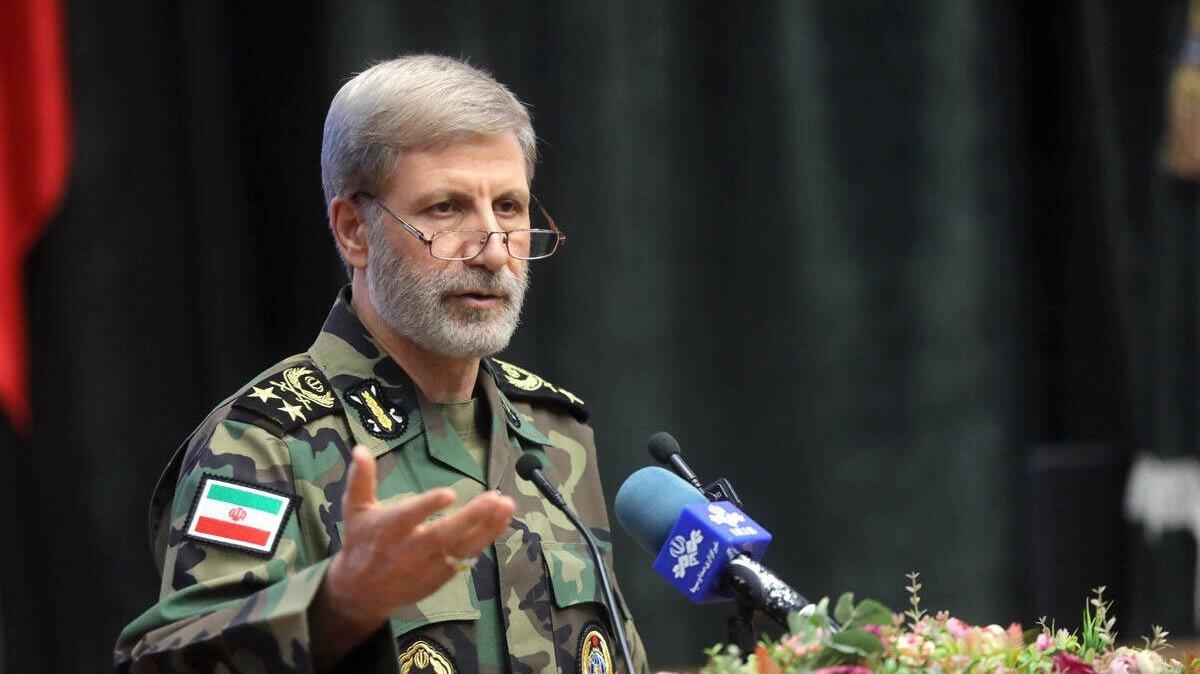
The Los Angeles Times also notes Hatami "became commander of Iran’s regular army after Israel’s deadly six‑day war in June."
Daily Sabah recounts that the warning "followed public support for the demonstrations from U.S. President Donald Trump — who said the U.S. would 'hit very hard' if protesters are killed."
The outlet adds that Israeli Prime Minister Benjamin Netanyahu voiced solidarity with the Iranian people and cites Iran’s foreign ministry accusing those leaders of incitement.
The CGTN snippet does not provide follow-up or contextual details because it is truncated.
Iran protests and economy
Domestic economic strain and the origins of the demonstrations are emphasized in the reporting.
“The protests began Dec. 28, when Tehran merchants rallied over soaring prices and the collapsing rial and then spread to several cities, with some clashes turning deadly; they have not reached the scale of the 2022–23 movement or the large 2009 protests.”
The Los Angeles Times highlights dual pressures on Iran — external threats from the U.S. and Israel, and widespread domestic protests driven by dire economic conditions.
The LA Times lists concrete economic details such as a government subsidy of about $7 paid monthly to some 71 million people, the rial trading at over 1.4 million to $1, and surging prices for basics like cooking oil and poultry.
Daily Sabah traces the protests' origin to Dec. 28 merchant rallies over rising prices and the collapsing rial.
Daily Sabah notes the unrest has not reached the scale of the 2022–23 movement or the large 2009 protests.
The CGTN item contains no usable coverage due to truncation.
These sources differ in emphasis: the LA Times foregrounds economic indicators and government policy responses, while Daily Sabah foregrounds the protests' timeline and comparative scale.
Media framing of Hatami remarks
Two usable sources differ in how they contextualize the foreign statements that preceded Hatami's remarks. The Los Angeles Times frames the foreign statements, notably Trump's warning, as a catalyst widely seen as provoking Iran's leadership and notes that Hatami's warning was widely read as targeting Trump's warning.
Daily Sabah reports more directly, quoting Trump's phrase that the U.S. would 'hit very hard' if protesters are killed and saying Iran's foreign ministry accused Trump and Netanyahu of incitement and of trying to undermine national unity. The CGTN text is truncated and does not provide corroborating phrasing or additional quotes.

Reporting on Iran tensions
Sources differ on evidence of any imminent Iranian military action. The Los Angeles Times explicitly notes there were no immediate signs Iran was preparing an attack in the region despite heightened tensions after recent U.S. actions, reflecting a cautious, measured tone. Daily Sabah emphasizes Hatami’s threat that Iran would respond strongly if outside actors "make a mistake," conveying a more forceful stance in its reportage.
“There were no immediate signs Iran was preparing an attack in the region despite heightened tensions after recent U.S. actions.”
It also reminds readers that the previous June war began with a major Israeli strike on Iranian military and nuclear sites. Because the CGTN excerpt is truncated, it neither confirms nor contradicts these points, creating an informational gap. Given these differences and the incomplete CGTN text, the overall picture is one of strong rhetoric and raised tensions but no publicly confirmed movement toward immediate Iranian military strikes.