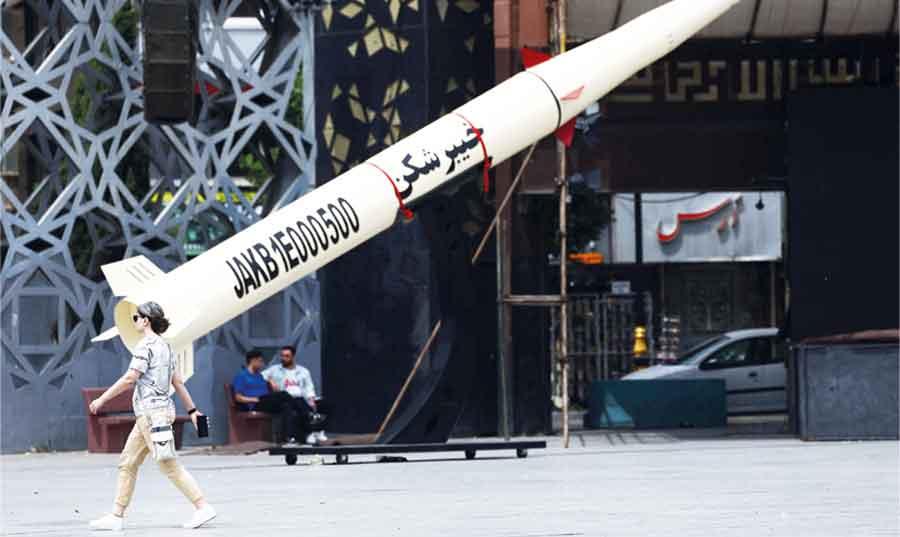
Iran’s Army Warns It Will Not Allow American Weapons To Transit Strait Of Hormuz
Key Takeaways
- Iran's Army bans transit of American weapons through the Strait of Hormuz to regional bases.
- The Strait of Hormuz is now under coordinated strategic control by Iran's Armed Forces.
- Army spokesman Brigadier General Mohammad Akraminia announced the policy.
Hormuz weapons transit
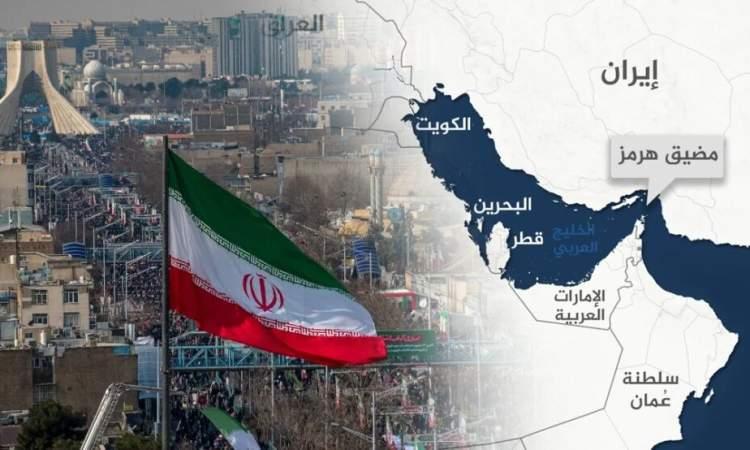
Iran’s Army spokesman Brigadier General Mohammad Akraminia said on Wednesday, “From now on, we will not allow American weapons to transit the Strait of Hormuz and enter regional bases,” and he added that any country wishing to transit must do so under the supervision of Iran’s armed forces.
““From now on, we will not allow American weapons to transit the Strait of Hormuz and enter regional bases,” Army spokesman Brigadier General Mohammad Akraminia said on Wednesday”
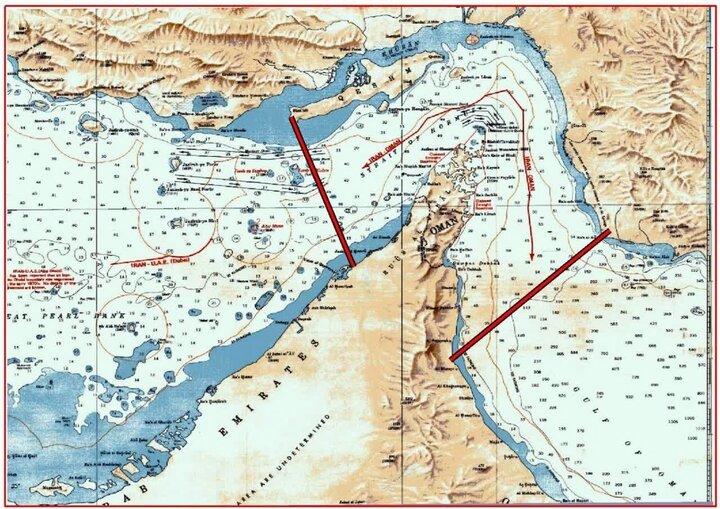
Akraminia said the western part of the strait is under the command of the Islamic Revolution Guards Corps (IRGC) Navy and the eastern section is controlled by the Islamic Republic of Iran Army’s Navy, describing the arrangement as “coordinated and synergistic control.”

In a separate address on Wednesday in Amol, IRGC Navy Cultural and Psychological Operations deputy Saeed Siahsorani issued a direct warning to the United States and President Donald Trump, saying, “If America and Trump personally want to do something stupid, we will turn the Persian Gulf into the largest blue graveyard of American marines.”
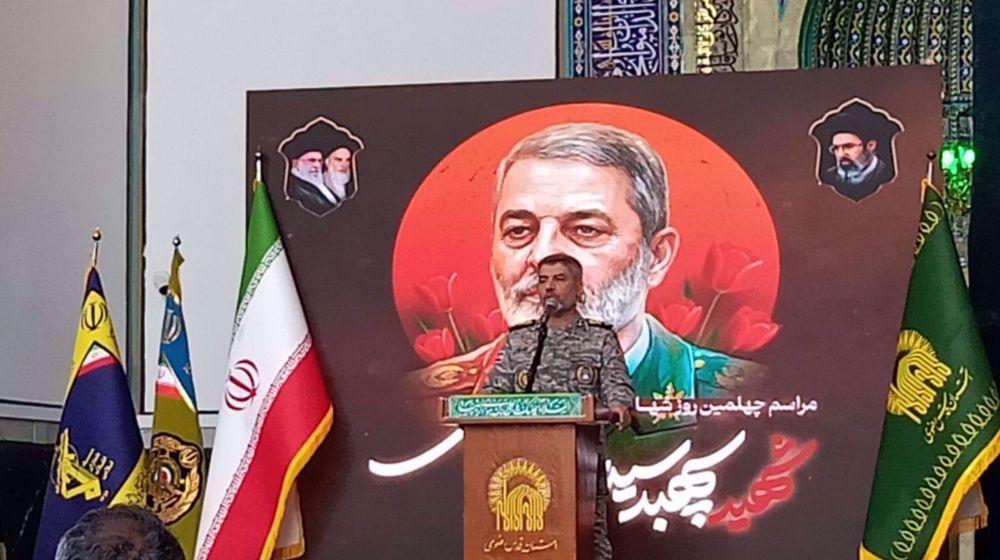
The statements were delivered during a ceremony marking the 40th day after the burial of former Chief of Staff of the Iranian Armed Forces Major General Abdolrahim Mousavi, according to Mehr News Agency and PressTV.
Internet blackout and governance
Radio Free Europe/Radio Liberty reported that Iran’s internet blackout has imposed “three Internet shutdowns in Iran in recent months,” including the current blackout described as the “longest on record,” and it said the Islamic republic imposed the latest shutdown on February 28.
The outlet said the blackout has left citizens in digital darkness for more than two months after a fragile cease-fire on April 8, and it quoted a yoga teacher in Tehran saying, “With the war and the Internet shutdown, life has stopped for many,” describing the shutdown as “torture.”
RFE/RL also reported that Iranian President Masud Pezeshkian appointed First Vice President Mohammad Reza Aref to head a newly created body overseeing cyberspace policy as the nationwide shutdown entered its 75th day, with Pezeshkian citing an “urgent need to establish integrated, coherent and efficient governance in cyberspace.”
The same report said government spokeswoman Fatemeh Mohajerani defended the restrictions as necessary “because of the wartime atmosphere,” telling protesting journalists: “What do you expect?”
Fees, blockade, and legal fight
As a two-week truce between Washington and Tehran took effect, Al-Sharq Al-Awsat said Tehran sought to formalize control of the Strait of Hormuz by moving to impose a “passage fee” system on ships transiting the waterway.
“Women Bear The Brunt Of Iran's Internet Blackout As 'Parallel Labor Market' Collapses An editor at a Tehran publishing house, an online yoga instructor, and a rural mother who sells homemade food via Instagram are just three of many Iranian women whose livelihoods have been ruined by their country’s ongoing Internet blackout”
The report cited Hamid Hosseini, spokesman for the Iranian Oil, Gas and Petrochemical Exporters Association, saying Iran seeks to collect fees in cryptocurrencies and setting a tariff of “one dollar per barrel of oil,” while empty tankers would be exempt.
Al-Sharq Al-Awsat also reported that Oman’s Minister of Transport, Communications and Information Technology, Engineer Saeed bin Hamoud Al Maawali, said Oman has signed international agreements “ensuring no fees are imposed” on ships passing through the Strait of Hormuz.
Separately, Al-Quds Al-Arabi said Trump informed Congress that the War Powers Act deadline on continuing the war against Iran is “not in effect” and that hostilities have effectively ended, while also describing the continuation of a naval blockade of the Strait of Hormuz and Iranian ports.
More on Iran
Trump Says Iran Is Under Control as Hegseth Says U.S. Controls Strait of Hormuz
12 sources compared
Iran And Oman Hold Legal Talks In Muscat On Strait Of Hormuz Safe Passage
11 sources compared
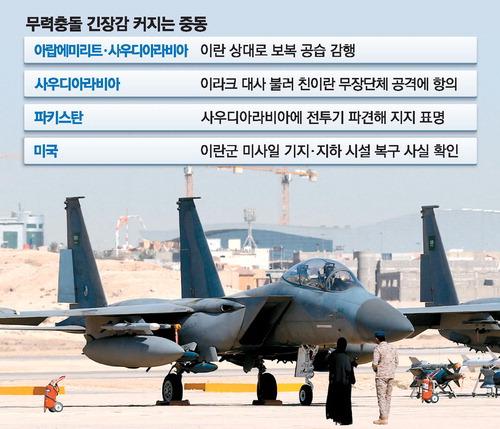
Saudi Arabia Carries Out Covert Airstrikes Against Iran, Then Threatens Further Aggression
22 sources compared
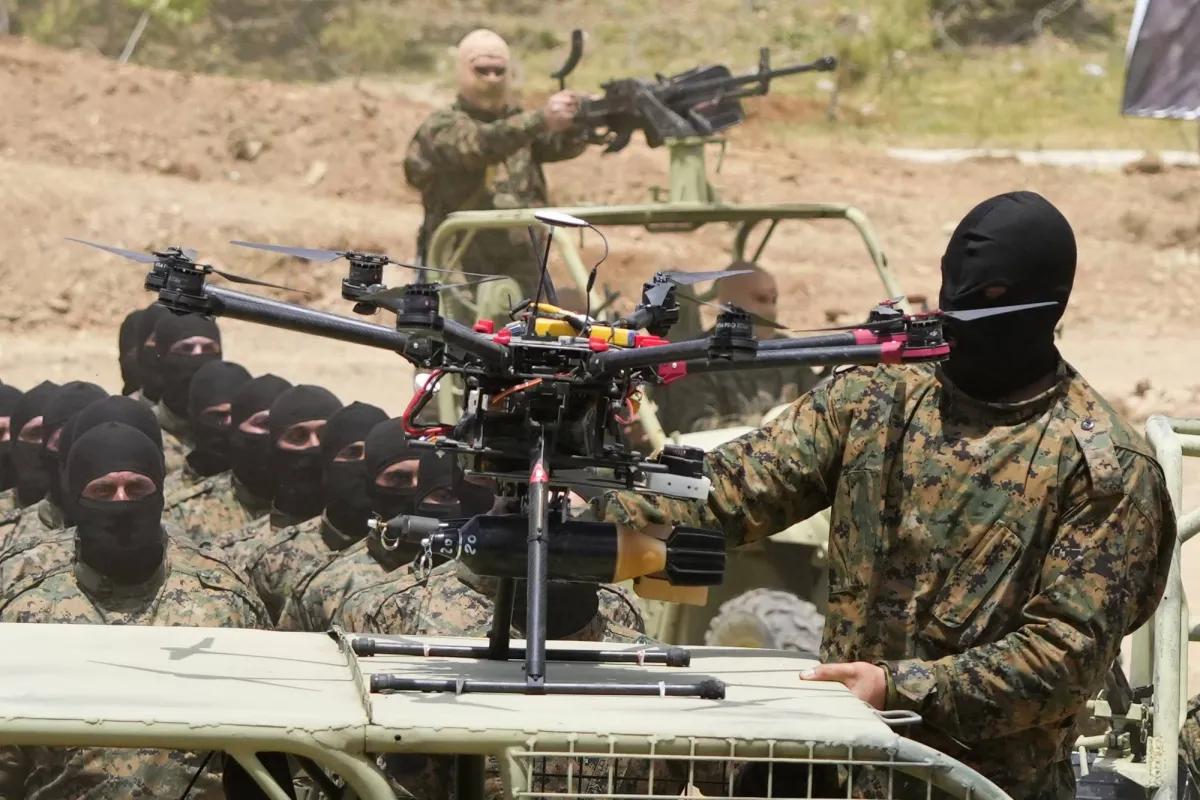
Hezbollah Launches Fiber-Optic Drone Swarm Attacks On North Israel, IDF Intercepts Some
13 sources compared