
Iran's Assembly of Experts Names Mojtaba Khamenei Supreme Leader
Iran leadership succession
Iran’s clerical Assembly of Experts announced that it has chosen Mojtaba Khamenei as Iran’s new supreme leader, succeeding his father Ayatollah Ali Khamenei.
“Although Iran's ruling ideology frowns on the principle of hereditary succession, he has a powerful following within the Guards and his dead father's still-influential office”
State media and multiple outlets described the appointment as the first hereditary transfer of power since the 1979 revolution.
They said the decision was presented as a "decisive" or final vote by the 88-member body.
Reports framed the elevation as an extension of the ruling clerical structure amid extraordinary wartime conditions.
Leadership transition amid conflict
The appointment occurred against the backdrop of a rapid and bloody escalation across the region after a Feb. 28 U.S.–Israeli strike that killed Ayatollah Ali Khamenei.
News outlets emphasised the wider war and heavy civilian tolls that accompanied the leadership transition.
They reported large numbers of Iranian casualties in strikes and cross-border reprisals.
They noted that the succession unfolded during intensified missile, drone and air operations across the Gulf and Levant.
Profile of Mojtaba Khamenei
Profiles of Mojtaba Khamenei in regional and international outlets stress his deep security ties, wartime credentials and personal wealth rather than holding prior elected office.
“Iran names former supreme leader’s son to succeed him as war sends oil prices soaring Iran names former supreme leader’s son to succeed him as war sends oil prices soaring DUBAI, United Arab Emirates (AP) — Iran named Mojtaba Khamenei, a son of its late supreme leader, the Islamic Republic’s next ruler on Monday, putting a hard-line cleric in charge as the war spreading across the Middle East sent oil prices skyrocketing with Iran launching new attacks on regional energy infrastructure”
Reports describe long-standing relationships with the Islamic Revolutionary Guard Corps and other security organs.
They mention his service in the Iran–Iraq war.
They detail past U.S. sanctions and intelligence assessments that identified him as an influential behind-the-scenes power broker rather than a conventional political officeholder.
Domestic reactions to succession
Domestically, the succession prompted assertions of unity and swift security endorsements as well as concern about breaking revolutionary precedents.
The IRGC formally pledged obedience and state media reported celebratory gatherings.

Analysts, some clerics and commentators warned that a father-to-son handover risks transforming republican norms and could invite factional disputes or unrest within the clerical establishment.
Global reactions and fallout
International reaction was immediate and mixed.
“You must belogged into post a comment”
U.S. political leaders publicly rejected the legitimacy of the selection and threatened nonrecognition.
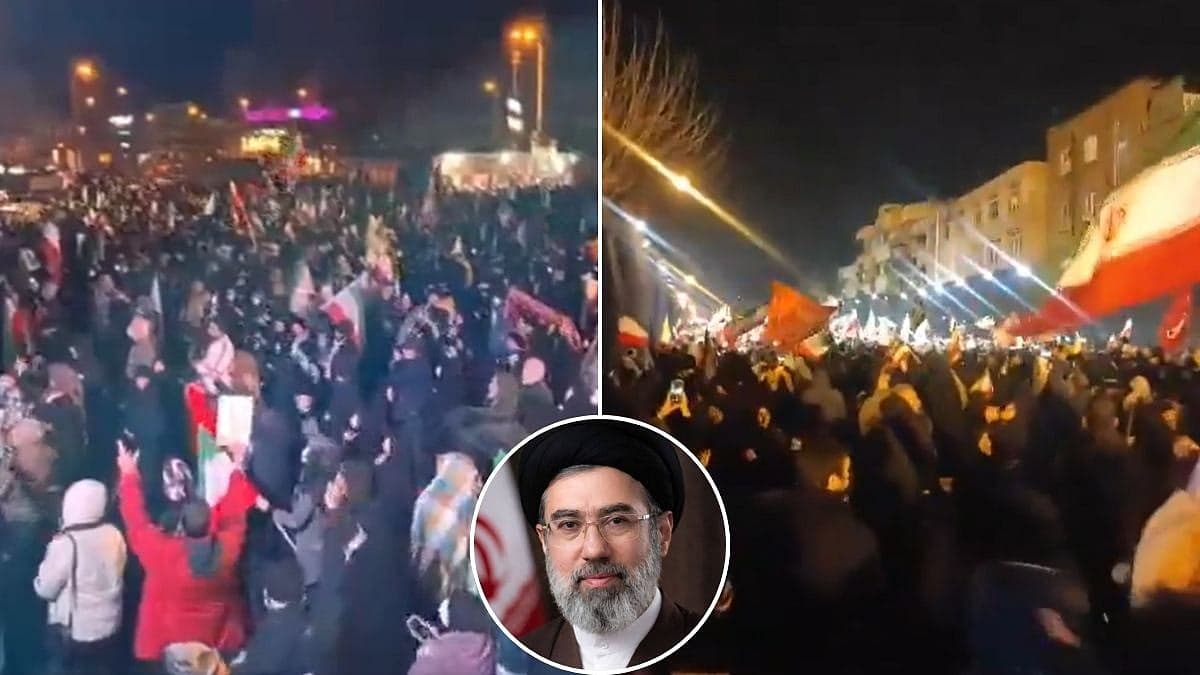
Israel warned successors would be targeted.
Markets and governments reacted to the wider conflict’s economic fallout.
Coverage linked the leadership change to renewed geopolitical tensions, higher oil prices and market volatility.
Coverage also noted ongoing military and diplomatic consequences across the Gulf and beyond.
Key Takeaways
- Assembly of Experts appointed Mojtaba Khamenei to succeed his slain father
- He has close ties to the Islamic Revolutionary Guard Corps, consolidating hardline power
- Selection followed his father's death and drew explicit Israel and U.S. threats against successor
More on Iran
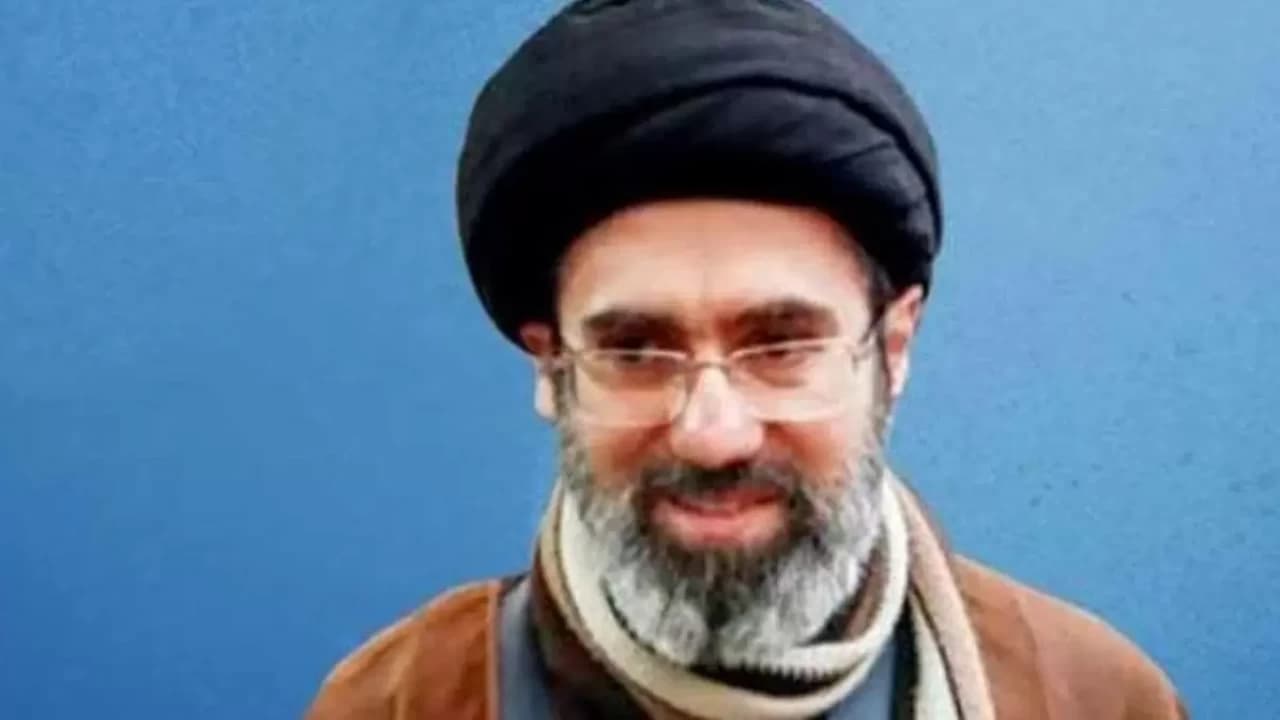
Iran names Mojtaba Khamenei supreme leader, elevating hard-line cleric
11 sources compared
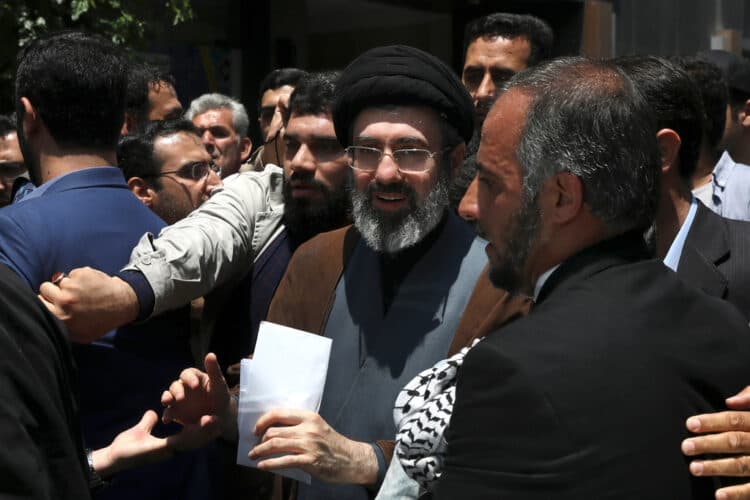
Iran Names Mojtaba Khamenei Supreme Leader After Father's Killing Sparks War
18 sources compared
Iran Names Mojtaba Khamenei Supreme Leader, Hard-Liner Succeeds Ali Khamenei
21 sources compared
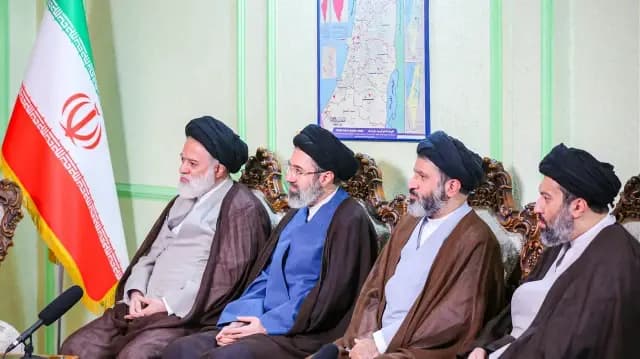
Iran Names Mojtaba Khamenei Supreme Leader After Ali Khamenei's Death
32 sources compared