Iran's Decades of Mismanagement and Severe Drought Force President to Warn of Tehran Evacuation

Iran's Decades of Mismanagement and Severe Drought Force President to Warn of Tehran Evacuation

13 November, 202511 sources compared
Technology and Science

Key Points from 11 News Sources

  1. 1

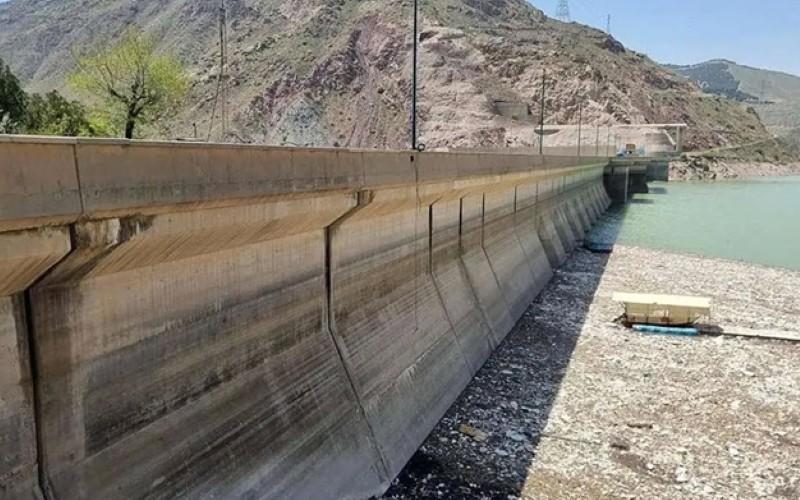
    Nineteen major dams and Tehran reservoirs have fallen to historically low or empty levels.

  2. 2

    Decades of mismanagement, corruption, and flawed dam and well projects caused the crisis.

  3. 3

    President warned Tehran may require evacuation and mandatory water rationing without imminent rainfall.

Full Analysis Summary

Tehran water crisis warning

Iran's president Masoud Pezeshkian has issued an urgent warning that worsening drought and severe water shortages could force residents to leave Tehran.

Officials say this reflects a nationwide emergency driven by falling reservoir and groundwater levels, prolonged dry conditions, and population pressures.

Official statements and reporting stress that Tehran's main reservoirs are at dangerously low levels, with estimates varying from only about two weeks' supply to figures expressed in percentages and days.

The situation has prompted calls for conservation, rationing, and long-term planning as authorities scramble to respond.

Several outlets note the warning frames immediate operational steps such as rationing and nightly shutoffs alongside longer-term planning measures, while critics point to policy failures and climate change as underlying drivers of the crisis.

Coverage Differences

Numbers/estimates contradiction

Sources provide different measures for how much water remains for Tehran: Pakistan Observer reports "Tehran’s main reservoirs now hold only about two weeks’ supply," The Sun says reservoirs "hold only nine days of drinking water," while Radio Free Europe/Radio Liberty gives a percentage-based measure saying the five main reservoirs "hold only 11% of capacity." These are different ways of quantifying scarcity and can imply different urgencies or time horizons for rationing or evacuation.

Framing / blame

Al Jazeera frames the president’s warning as a call to urgent action but notes critics point to policy failures and climate change as root causes, while some regional outlets focus more on the immediate emergency and specific steps. This reflects differences in emphasis between reporting that centers official calls for action and reporting that highlights systemic policy criticism.

Water crisis in Iran

The scale of the crisis extends beyond Tehran; multiple reports show dams and reservoirs across Iran at critically low levels, with Mashhad's reservoirs cited below 3% capacity and numerous major dams near or at dryness.

Reporting and expert commentary highlight not only surface-water shortages but also alarming depletion of strategic groundwater, with analysts citing about 150 billion cubic meters of mostly non-renewable groundwater already extracted.

Regions in eastern and southern Iran face severe deficits, and years of drought compounded by heatwaves and mismanagement have left many provinces with 50-80% shortfalls in water availability.

Coverage Differences

Emphasis on groundwater vs surface reservoirs

Some sources emphasize reservoir and dam levels (Radio Free Europe/Radio Liberty, The Sun, Dialogue Pakistan), while irannewsupdate focuses on large-scale groundwater depletion numbers and the long-term unsustainability of extraction practices. This shifts the narrative from an acute surface-water emergency to a combined crisis with potentially irreversible aquifer loss.

Geographic focus and severity

Dialogue Pakistan and Pakistan Observer stress the nationwide reach and particular provincial deficits (e.g., eastern provinces worst hit), while some Western outlets quantify dam capacities and the number of dry dams differently. These distinctions affect perceptions of which areas are most at risk and the scale of national emergency.

Tehran water rationing warnings

President Pezeshkian gave televised addresses warning of rationing and possible evacuation if rains do not arrive.

The Tehran council health chief urged households to cut usage, and the energy minister ordered nightly water shutoffs in some areas.

Some outlets report imminent rationing — Pakistan Observer warns it could begin by late November or early December — and evening water cuts are already occurring in Tehran even as other officials publicly downplay the need to relocate the capital.

Coverage Differences

Reported immediacy of rationing and shutdowns

Pakistan Observer reports a concrete timetable for rationing (late November or early December) and irannewsupdate lists specific operational orders like "nightly water shutoffs," whereas Radio Free Europe/Radio Liberty notes evening cuts have occurred but that "some officials have downplayed relocating the capital." This shows variance between sources focused on immediate operational timetables and those emphasising mixed official messaging.

Official tone vs operational detail

Al Jazeera stresses the president’s warning as a call to action and planning, while other sources (irannewsupdate, Pakistan Observer) provide granular operational details like the 10% household cut request and shutoff orders; The Sun frames the message within political context, noting broader regime pressures alongside emergency measures.

Policy-driven water crisis

Analysts and critics cited by several outlets point to decades of mismanagement, unsustainable infrastructure choices and unregulated groundwater drilling as central causes, arguing the crisis is not only climatic but policy-driven.

Reports name specific policy failures, such as building costly surface dams instead of prioritising sustainable water management and failing to fix leaky urban systems.

They also quantify the human impact, noting about one million active and inactive wells and massive strategic groundwater extraction to explain why normal rainfall will not quickly reverse shortages.

Coverage Differences

Attribution of cause (climate vs policy)

Al Jazeera and Dialogue Pakistan balance climate impacts with policy failures, while irannewsupdate and The Sun underscore policy choices and over-extraction (e.g., wells, groundwater) as root causes. This distinction shapes whether solutions emphasise conservation/long-term planning or systemic reform of water governance.

Proposed remedies and government focus

Some outlets foreground calls for conservation and planning (Al Jazeera), others list immediate operational fixes (irannewsupdate’s shutoffs, household cuts), while a tabloid outlet ties the crisis to political vulnerability for the regime (The Sun). The variance indicates different expectations about whether immediate fixes or structural reforms are being prioritised.

Tehran water crisis

Despite stark warnings, ambiguity and mixed messaging persist about whether Tehran will be evacuated.

Some officials have publicly downplayed relocation even as leaders warn evacuation is a possibility if rains do not arrive.

Analysts caution that normal rainfall alone will not quickly restore depleted aquifers.

The human stakes are large: Tehran’s population of more than 10 million would be dramatically affected.

Reporting across sources calls for immediate conservation measures and systemic reform.

Those reports also note that no comprehensive national response plan has yet been presented.
Coverage Differences

Ambiguity in relocation messaging

Radio Free Europe/Radio Liberty notes "some officials have downplayed relocating the capital" even as Al Jazeera and pakistan-focused outlets report the president warned evacuation is possible. This inconsistency creates uncertainty about the seriousness and imminence of evacuation plans.

Assessment of national preparedness

Radio Free Europe/Radio Liberty explicitly states "officials have not yet presented a concrete national response plan," whereas other outlets focus on immediate measures and criticisms of past policy. This highlights a reporting gap on coordinated national strategy versus local or ministerial steps.

All 11 Sources Compared

Al Jazeera

As the dams feeding Tehran run dry, Iran struggles with a dire water crisis

Read Original

Al Jazeera

Why did Iran’s president warn Tehran may need to be evacuated?

Read Original

Dialogue Pakistan

Tehran residents may have to leave city as drought worsens: Iranian president

Read Original

irannewsupdate

Iran Faces Deepening Water Crisis Amid Regime’s Mismanagement and Years of Neglect

Read Original

irannewsupdate

Iran Faces Deepening Water Crisis Amid Regime’s Mismanagement and Years of Neglect

Read Original

Latest news from Azerbaijan

Tehran faces severe water shortages as Iran’s crisis deepens

Read Original

MM News

Why is Iran’s President suggesting relocating Tehran?

Read Original

Moneycontrol

Why Iran’s water crisis has brought its major cities to the brink of evacuation

Read Original

Pakistan Observer

Tehran faces severe water crisis; President Pezeshkian warns of possible evacuation

Read Original

Radio Free Europe/Radio Liberty

Iran's Water Crisis Nears Point Of No Return

Read Original

The Sun

Iran 'might have to evacuate' its capital of 10 million people as Tehran is crippled by drought & Ayatollah faces crisis

Read Original