
Iran's Effective Closure of Strait of Hormuz Disrupts Supply Chains, Sends U.S. Retail Prices Higher
Key Takeaways
- Iran's closure of the Strait of Hormuz disrupted global supply chains for oil and commodities
- Fuel price spikes raised transportation costs, increasing prices for food, consumer goods, and shipping
- Air travel and household energy bills could rise if oil and gas supply disruptions persist
Immediate disruption and prices
Iran’s effective closure of the Strait of Hormuz has sharply disrupted global shipping and energy flows, pushing fuel prices higher in the United States and creating immediate ripples across supply chains.
“The Iran war could soon mean higher prices on store shelves for consumers”
ConsumerAffairs reports that "Gasoline and diesel prices are climbing sharply, pushing up transportation costs across the economy" and notes the national average price of regular gas is "$3.60/gallon — 61 cents more than just before the start of the Iran war."

Forexfactory describes how "Iran’s effective closure of the Strait of Hormuz passage has significantly disrupted the global supply chain" and stresses the strait’s importance for oil shipments.
CNBC likewise warns that "The Iran war could soon mean higher prices on store shelves for consumers" and explains the passage is a critical route for oil and other exports.
Energy markets and IEA action
Energy markets are at the center of the shock as fewer shipments and threats to tanker traffic through the Hormuz chokepoint have rattled prices and prompted international responses.
ConsumerAffairs highlights that "fighting and threats to tanker traffic in the Strait of Hormuz — a waterway that normally carries about 20% of the world’s oil and gas shipments — have disrupted supplies and rattled markets."

The article also cites the International Energy Agency’s move to release "400 million barrels from emergency oil stockpiles" as an attempt to blunt the shock.
Forexfactory and CNBC both emphasize the strategic weight of the strait, with CNBC noting it "funnels tens of millions of barrels of oil daily" and Forexfactory stressing continued closure risks further disruption.
Supply-chain strain
Supply chains beyond fuel are feeling strain: shipping interruptions, canceled flights, and capacity limits are affecting garments, food inputs, and industrial goods and raising costs for retailers and consumers.
“How the Iran war could start to impact U”
CNBC reports that logistics provider C.H. Robinson warned "While cargo is moving, carriers are managing constrained capacity, selective acceptance, and fuel‑related cost impacts, resulting in pricing volatility and variable service conditions."
CNBC also notes "Shipments of garments for Zara owner Inditex, along with other clothing retailers, were stranded last week as flights in the Middle East were canceled, according to Reuters."
ConsumerAffairs adds that higher fuel costs are "pushing up transportation costs across the economy," which is translating into rising food, consumer goods, and shipping costs.
Retailer pressures and groceries
Retailers face both input‑cost pressure and demand changes as they manage inventories and pricing, with experts warning groceries are especially vulnerable to rapid price hikes.
CNBC quotes Coresight Research President Max Kahn saying retailers' flexibility has improved but warns that "The bigger worry is if this continues to last."
CNBC also notes Kahn’s view that "Prices at the grocery store may be hit first, since food items tend to have less flexible supply chains."
ConsumerAffairs echoes the risk that "Air travel and household energy bills could increase if disruptions in Middle East oil and gas supplies continue," and Forexfactory highlights the broad range of affected goods from "fertilizers to metals to gas and fuel," underlining multiple channels for retail price increases.
Political uncertainty
Political and military signals add to economic uncertainty: Iran’s leadership has publicly framed the Hormuz closure as leverage while U.S. officials signal limited immediate options to restore normal traffic.
“The Iran war could soon mean higher prices on store shelves for consumers”
CNBC and Forexfactory report Iran’s new supreme leader Mojtaba Khamenei said the closure should be continued as a "tool to pressure the enemy" in his first public statement.
Forexfactory notes Pentagon officials "declined to provide a timeline for reopening the strait of Hormuz."
ConsumerAffairs cautions that ongoing fighting and threats to tanker traffic have already "disrupted supplies and rattled markets," reinforcing the risk that economic impacts could persist as diplomatic and military questions remain unresolved.
More on Iran
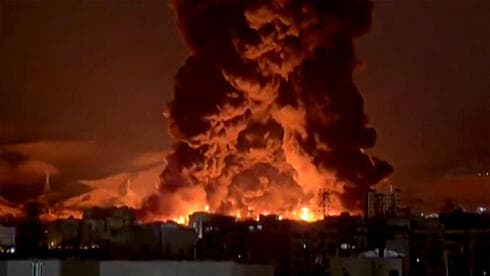
US obliterates military targets on Iran’s Kharg Island, Trump warns
13 sources compared
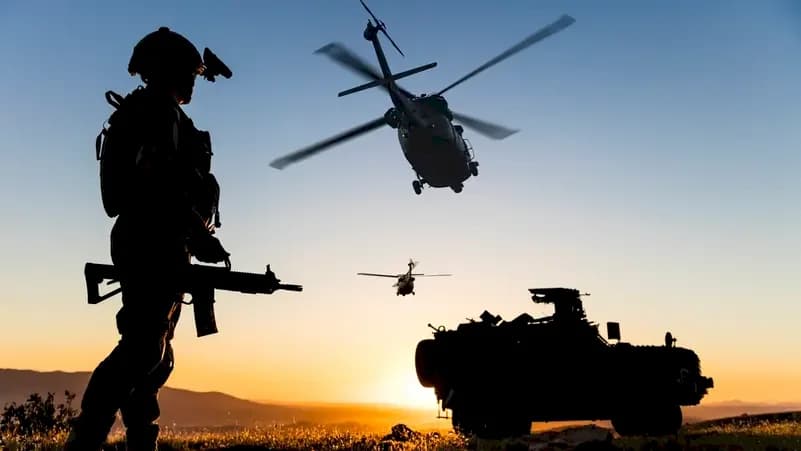
US Deploys About 2,500 Marines to Middle East After Iran Attacks Gulf Shipping
33 sources compared
FBI Warns of Iranian Drone Plot Based on Unverified Tip; California Says No Credible Threat
10 sources compared

White House Demands ABC Retract Report Claiming Iran Sought To Launch Drone Attacks On California
11 sources compared