Full Analysis Summary
Appeal to Restart Talks
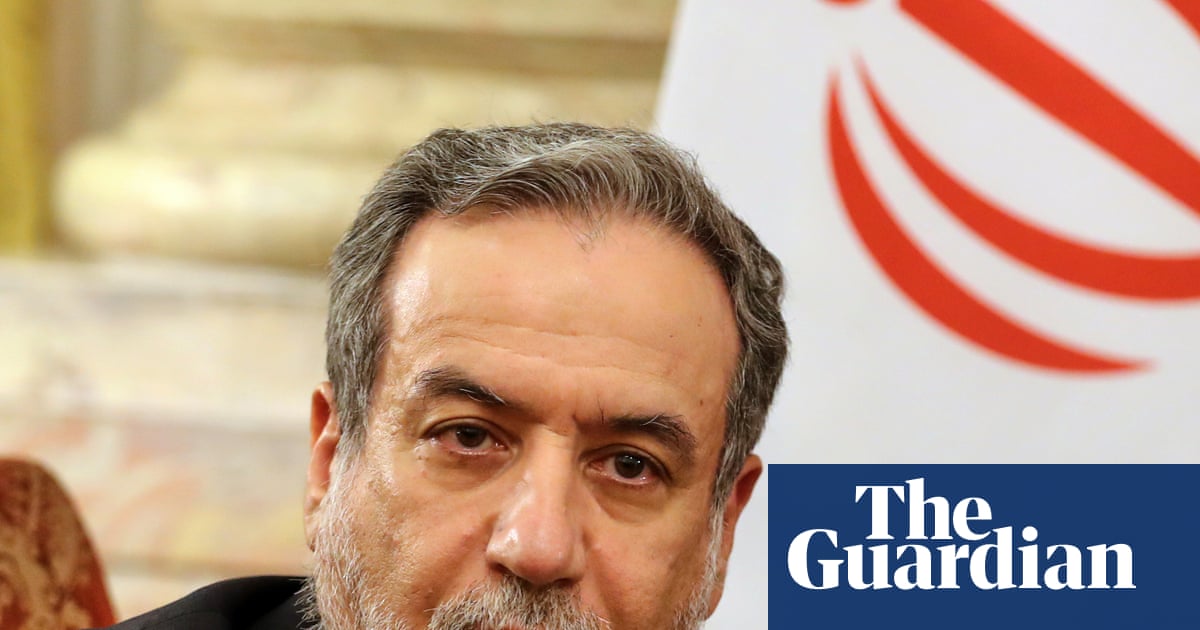
Iranian deputy foreign minister Abbas Araghchi, writing in The Guardian, urged President Trump to defy Israeli warnings and seize a narrow diplomatic window to restart nuclear talks with Tehran, arguing that the moment favors negotiation over confrontation.
Araghchi presented the appeal against a backdrop of heightened tensions tied to Israel’s concerns about Iran’s missile and nuclear programs and growing domestic unrest in Tehran over currency and inflation.
He framed the choice for Washington as between unconditional backing for Israel and pursuing what he called a 'tectonic change for the better'.
Coverage Differences
Missed information / single-source perspective
Only The Guardian (Western Mainstream) piece is available for this briefing. Because no other sources were provided, it is not possible to compare how other outlets (e.g., Israeli, Iranian state, West Asian, or Western alternative media) frame Araghchi’s appeal, potential Israeli rebuttals, or the US administration’s response. The Guardian reports Araghchi’s urging and situates it amid Israeli concerns and Iranian domestic unrest, but that reporting cannot be cross-checked here against alternative narratives.
Negotiation prospects after attacks
Araghchi argued renewed negotiations have a higher chance of succeeding now because regional alignments shifted after June attacks on Iranian nuclear sites.
He said several Arab and Gulf states and other mutual friends of both Washington and Tehran are reportedly willing to facilitate talks and underwrite any verified outcome.
He presented these shifts as creating a more favorable diplomatic environment that the US should exploit rather than allow to close.
Coverage Differences
Missed information / lack of corroborating sources
The Guardian attributes the claim about shifting regional alignments and third-party willingness to facilitate talks to Araghchi’s argument, but without other sources we cannot assess how widespread or credible those claims are, nor see whether Arab/Gulf states publicly confirm willingness to underwrite outcomes.
Iran's negotiating stance
The Guardian reports Araghchi stressed that Iran remains open to negotiation so long as it is not forced to capitulate, and he insisted on Tehran’s rights under the Nuclear Non‑Proliferation Treaty to pursue peaceful uranium enrichment.
His wording underscores Tehran’s attempt to position itself as a willing but not submissive negotiating partner invoking international legal rights.
Coverage Differences
Tone / source perspective
As a Western mainstream outlet, The Guardian presents Araghchi’s statements as a diplomatic appeal and includes his emphasis on NPT rights; without other source types we cannot determine whether pro‑Iranian outlets would amplify different parts of his message (for example, stressing sovereignty) or whether Israeli sources would characterize the same claims as insufficient or misleading.
Araghchi's pitch to Washington
Araghchi framed the choice for Washington starkly, saying the US could either continue its unconditional backing for Israel or join what he described as 'a tectonic change for the better.'
He argued that many in the US — including parts of Trump’s Republican base — prefer a negotiated deal to new wars, suggesting an internal political opening Washington could exploit.
The Guardian situates this appeal amid broader regional security anxieties and Iranian domestic economic pressures.
Coverage Differences
Narrative emphasis
The Guardian highlights Araghchi’s political framing aimed at US audiences (invoking US Republican base preferences and contrasting war vs. deal). Without alternative reporting, we cannot contrast whether Israeli or US mainstream sources would present this framing as persuasive or inaccurate, or whether West Asian outlets emphasize other consequences.
Source limitations and gaps
This analysis relies solely on The Guardian’s publication of Araghchi’s arguments.
The absence of other sources prevents comparison across source types such as Israeli government statements, Iranian state media, West Asian outlets, or Western alternative publications.
This gap prevents full assessment of contradictions and corroboration of claims, such as reports about Arab and Gulf willingness to underwrite deals, or the presentation of counterarguments from Israeli or U.S. officials.
All of these elements would be necessary for a multi‑perspective account.
Coverage Differences
Unique / off‑topic coverage and missing perspectives
Because only The Guardian (Western Mainstream) text is available, other perspectives are missing: there is no explicit Israeli government response quoted, no US administration reaction, and no primary statements from Arab/Gulf states. The Guardian reports Araghchi’s claims but the broader mosaic of regional reactions is absent.