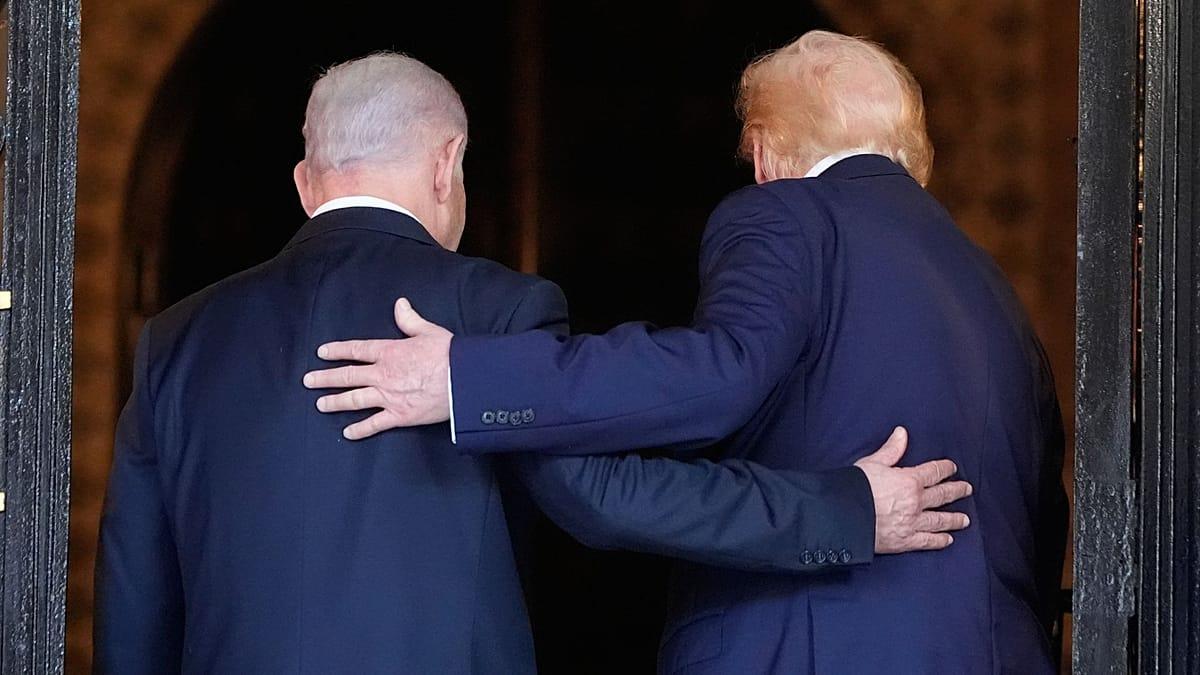
Iran’s Ghalibaf Says Tehran Wins Concessions Through Missiles, Not Talks
Key Takeaways
- Mohammad Bagher Ghalibaf says Iran gains concessions through missiles, not through talks.
- He says no trust in guarantees or words; only actions are decisive.
- Remarks come amid ongoing US-Iran ceasefire extension talks and tensions in Hormuz.
Missiles over talks
Uncertainty swirled Friday around a U.S.-Iran tentative deal to extend the ceasefire in its war with Iran, with the U.S. Vice President JD Vance saying Thursday that the adversaries had reached a tentative agreement while a top Iranian official insisted concessions come “through missiles,” not talks.
Iranian Parliament Speaker Mohammad Bagher Qalibaf wrote on X that his country has “no trust in guarantees or words,” only actions, and “no step will be taken before the other side acts.”

Qalibaf said, “We do not gain concessions through talks, but through missiles,” and added that “The winner of any agreement is the one who is better prepared for war the day after it is signed.”
A U.S. official familiar with the matter said the tentative agreement would continue the ceasefire in the 3-month-old war by 60 days and start a new round of talks on Iran’s nuclear program, with the first issues including what will happen to Iran’s highly enriched uranium.
Trump approval and distrust
The U.S. side framed the proposal as tentative, with Vance saying negotiators were still debating “a couple of language points” and he couldn’t say whether Donald Trump would approve the proposal.
In Washington, Trump held a White House Situation Room meeting with advisers as he pondered moving forward with a deal to extend the Iran ceasefire and reopen the Strait of Hormuz, and a senior administration official later said the roughly two-hour meeting had concluded without saying whether Trump made a decision to sign off.
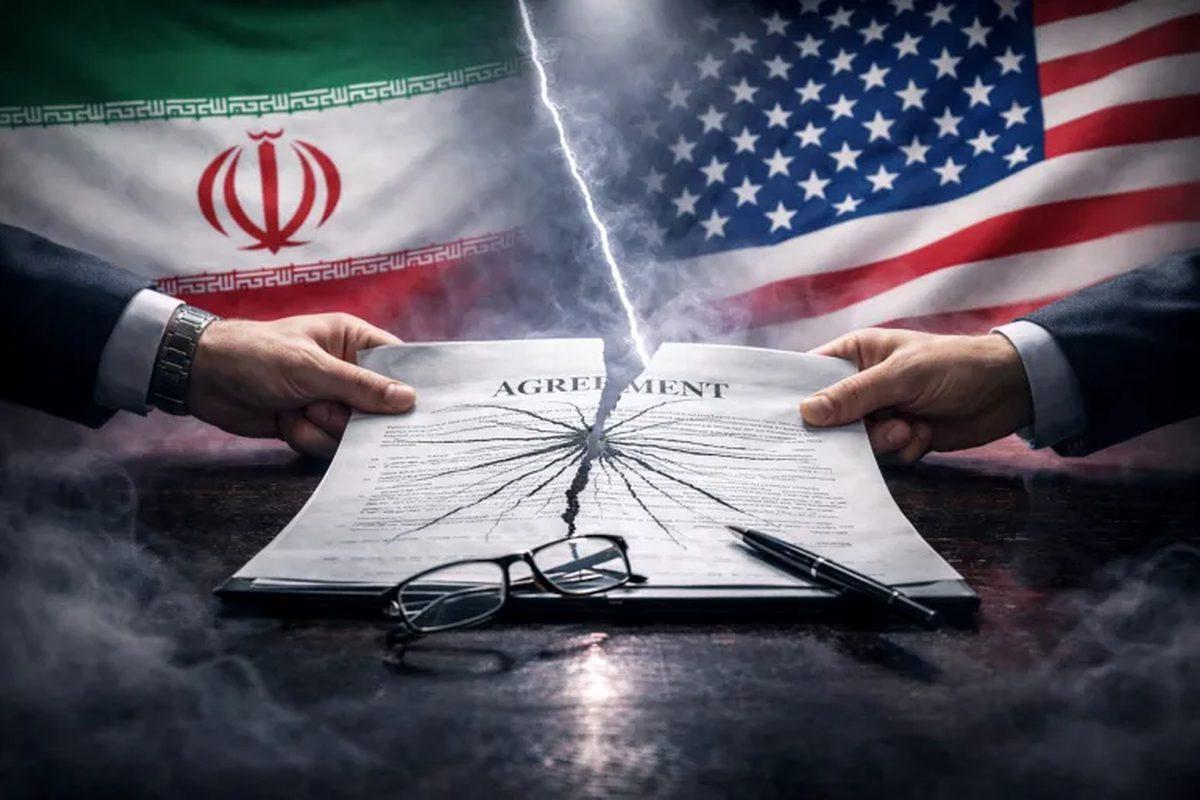
Iran said the agreement has not been finalized, and Iranian Foreign Ministry spokesman Esmail Baghaei told a state broadcaster that the agreement “has not been finalized yet.”
Qalibaf underscored the same distrust in a separate post, writing, “No step will be taken before the other side acts,” while also insisting, “We do not gain concessions through talks, but through missiles.”
Nuclear and strait stakes
The tentative framework described by a U.S. official would extend the ceasefire by 60 days and launch talks on Iran’s nuclear program, where the Islamic Republic has 440.9 kilograms (972 pounds) of uranium enriched up to 60% purity, a short technical step from weapons-grade levels of 90%.
The same U.S. official said the proposed memorandum makes clear that Iran will have to remove all mines from the vital waterway within 30 days and that the U.S. would gradually lift its naval blockade on Iranian ports while relaxing sanctions to allow Iran to sell more of its oil.
Iran’s position on the nuclear track remained unresolved, with the Islamic Republic not publicly committing to giving up the stockpile and with the U.S. insisting that one of its prime objectives was to ensure that Iran can never have a nuclear weapon.
As tensions continued beyond the negotiation table, the MyNorthwest report said tensions deepened Thursday in Lebanon as Israel conducted an airstrike on a southern suburb of the capital, Beirut, and other strikes in the southern coastal city of Tyre, with at least 14 people killed across the country’s south.
More on Iran
Pete Hegseth Threatens To Restart US Strikes Against Iran If No Deal Reached
10 sources compared
Qatar Rejects Permanent Strait Of Hormuz Toll, Says Temporary Fee Negotiable At Shangri-La Dialogue
12 sources compared

Iran’s Armed Forces Exercise Full Authority Over Strait of Hormuz, IRGC Navy Demands Route Permissions
15 sources compared

Greek National Ioannis Aidinidis Charged With Assisting Iran Targeting UK Journalist
11 sources compared