Iran’s Internet Blackout Enters 57th Day, Tehran Residents Face Unemployment and Intensified Security
Key Takeaways
- 57-day nationwide blackout—the longest on record, per NetBlocks.
- Millions are isolated; daily life disrupted as connectivity remains offline.
- Unemployment rises and security is reinforced in Tehran amid the outage.
Tehran’s daily life
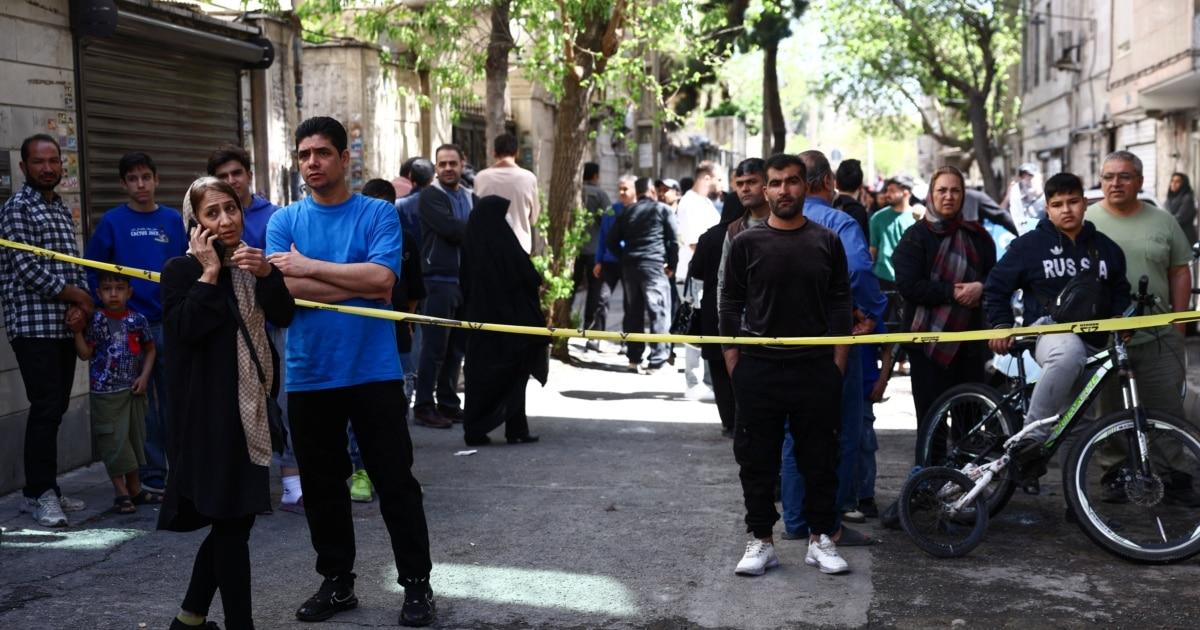
Life in Tehran has been shaped by war-related disruptions, unemployment, and intensified security as residents navigate an internet blackout and a more visible security presence on the streets.
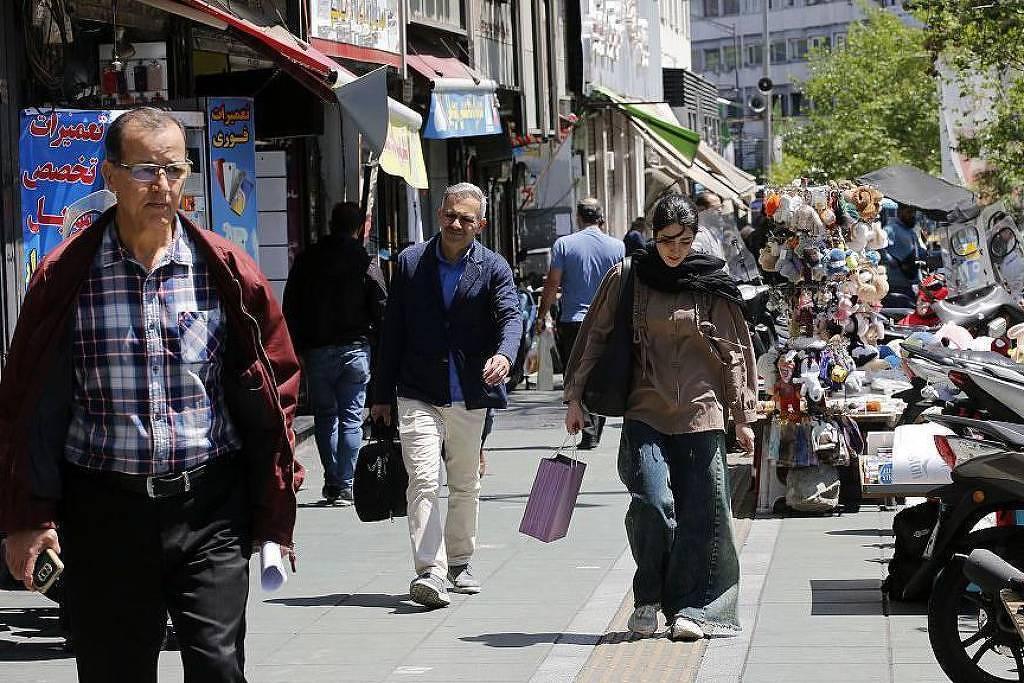
In a portrait by Folha de S.Paulo, Sanaei Ghaznavi Street is described as a place with “shops selling groceries and home goods, as well as fast food and flowers,” yet the article says many people have lost their jobs and are unemployed.

Mohammad, who runs a family shoemaker shop, is shown opening “the striped awning of his family’s shoemaker shop” as an act of hope, while his father Mustafa says the shoe business has been in the family for “40 years.”
The article ties the economic strain to an unofficial estimate from “the Iranian site Asr-e Iran,” saying “up to 4 million jobs may have been lost or affected” by the combined effects of the war with the United States and Israel and Iran’s near-total internet shutdown.
It also describes how products with Western logos such as “New Balance and Clarks” stand out on crowded shelves, while Mohammad and Mustafa remark that products are made in China and even counterfeit goods are expensive in Iran.
Outside the corner grocery, Shahla says, “people are paying three times as much for bread now,” and she tells the authorities involved in war negotiations to stop, saying, “nothing good will come of it because Trump is only threatening people.”
The same report says digital access has been blocked for “more than 50 days,” and it quotes Iran’s Communications Minister, Sattar Hashemi, calling for an end to the ban and saying “about 10 million people, mainly from the middle and lower classes, depend on digital connectivity for work and that internet access would be a public right.”
How the blackout began
Multiple outlets connect Iran’s nationwide internet blackout to a specific escalation in the war, describing a shutdown that began immediately after joint US and Israeli strikes on Tehran on 28 February.
Gulf News reports that the “continuous internet blackout for 57 days” marked “exactly eight weeks since the Iranian regime severed the country's digital access,” citing the internet monitoring watchdog NetBlocks.
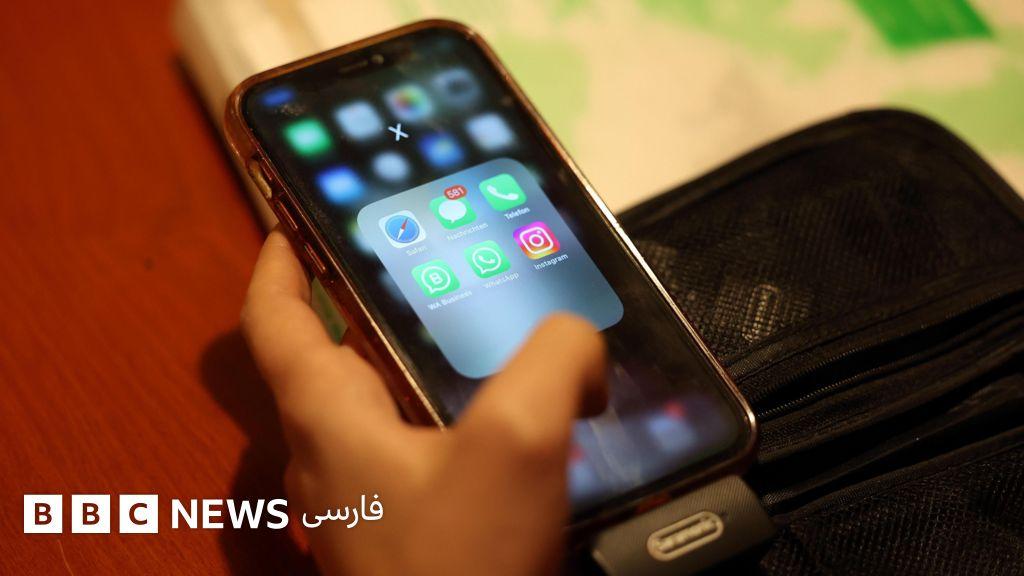
The same report says the total blackout was “implemented immediately following the joint US and Israeli strikes on Tehran on 28 February,” and it quotes NetBlocks describing the disruption as “the disruption, now entering its 57th day after 1344 hours, stifles the voices of Iranians, leaves friends and family out of touch and damages the economy.”
Türkiye Today similarly says the disruption began after “the U.S. and Israel attacked Tehran on Feb. 28” and has lasted “1,344 hours,” again attributing the quoted assessment to NetBlocks.
Both Gulf News and Türkiye Today frame the shutdown as the “longest nation-scale internet shutdown on record in any country,” with NetBlocks saying earlier this month that the ongoing crisis had reached that historic scale.
The reports also place the blackout in a broader pattern, noting that Iran had imposed “a separate internet and communications blackout in January” and describing it as aimed at obscuring evidence of what was described as “the deadliest crackdown” since the Islamic Republic was founded nearly “47 years ago.”
In the NPR account, the blackout is described as leaving only “a few phone lines and select, government-approved ‘white SIM’ phone cards functioning,” and it says nearly “90 million Iranians” are isolated from basic information amid daily US and Israeli strikes.
Voices inside and outside
Accounts from within Iran and from Iranians traveling through Turkey show how the blackout and war are experienced as both isolation and risk.
NPR describes a woman from Tehran crossing into eastern Turkey and saying her first stop is “Somewhere with Wi-Fi,” adding, “I only want to make a video call and go back [to Iran.] That is it.”
NPR reports that she drives to the border with Turkey every three days “for the last month” to contact her son studying at a university in western Turkey, and it says she and other interviewees requested anonymity because they fear arrest and “her assets being seized in Iran for speaking to foreign media.”
Another Iranian woman traveling in eastern Turkey tells NPR, “The only voice is the voice of the Iranian regime now, because they have cut the internet. They have shot our voices and cut our tongues,” describing the effect on communication and expression.
NPR also quotes cybersecurity research and human rights advocacy groups to explain how Iran’s internet infrastructure is structured for shutdowns, with Hesam Nourooz Pour saying, “This is true a highly centralized architecture,” and adding, “I see these gateways function as chokepoints, because nearly all incoming and outgoing international traffic passes through them.”
The NPR report says Iran created an internal internet called the “National Information Network, or NIN,” where “government-approved sites and the country's banking and financial services could run, even when connectivity to the global internet was cut off.”
It also describes the danger of trying to bypass restrictions, quoting Abbas Milani saying, “It is extremely dangerous even to buy [Wi-Fi] because the regime has declared that this is a counterrevolutionary activity.”
Diverging frames of the same shutdown
While the core facts of the blackout’s duration and its linkage to 28 February appear consistently across outlets, the reporting frames the shutdown’s meaning and consequences differently, from NetBlocks’ technical assessment to on-the-ground accounts of travel and daily life.
Gulf News emphasizes the “historic scale” and says the nation is “cut off from global access,” while NetBlocks’ quoted language centers on stifling voices and damaging the economy.
Türkiye Today similarly foregrounds the “longest nation-scale internet shutdown on record in any country,” but it ties the disruption more directly to the conflict timeline by stating it has “remained in place since the start of the conflict following the U.S. and Israel's attack on Tehran.”
NPR, by contrast, focuses on how people respond by physically leaving Iran, describing Iranians crossing into eastern Turkey and seeking Wi-Fi, and it says “for the last month” one woman has been traveling “every three days” to use internet for “a few hours.”
NPR also frames the blackout as a near-total information isolation, stating “Now, nearly 90 million Iranians find themselves isolated from basic information about what is happening,” and it describes the limited connectivity as “a few phone lines and select, government-approved ‘white SIM’ phone cards.”
Folha de S.Paulo places the blackout into a broader portrait of Tehran’s street-level life, describing a “digital blockade” that has been in place for “more than 50 days,” and it adds that restrictions are being eased “slowly and selectively” while security authorities say they will remain in place while there are “enemy threats.”
Across these differences, the outlets converge on the same numeric milestones—“57 days,” “eight weeks,” and “1,344 hours”—and on the same central claim that the shutdown isolates Iranians from global connectivity.
What comes next
The sources depict a situation where internet restrictions, security measures, and war-related developments continue to shape what comes next for Iran and for regional actors.
Folha de S.Paulo says restrictions are being eased “slowly and selectively,” but it also reports that “the security authorities say they will remain in place while there are enemy threats,” and it describes plainclothes security—“the Basij paramilitary volunteers or the Islamic Revolutionary Guard Corps”—as “now everywhere.”

It adds that a short drive away, Ferdowsi Square is shown with “some imposing black armored vehicles” and armed and uniformed men, conveying what the article describes as a stronger message, while also noting that the square is named after a beloved Persian poet.
Gulf News and Türkiye Today both emphasize that the blackout has reached “57 days” and “1,344 hours,” with NetBlocks saying the disruption “damages the economy,” which frames the stakes as economic and social as well as informational.
NPR’s reporting highlights enforcement and the risk of attempting to access connectivity, including arrests for using Starlink equipment and for using the internet to “hurt national security,” with a law enforcement officer in Yazd province saying “six people had been arrested in late March for using Starlink equipment” and Iranian authorities saying they had arrested “466 people for using the internet to hurt national security.”
In the Iran-focused reporting from ای ایران اینترنشنال, the blackout is described as lasting “eight weeks” since it was imposed on Feb. 28 and as entering its “57th day,” while the outlet also places the internet disruption alongside other developments, including Iran reopening Tehran’s Imam Khomeini Airport with “the first flights departing on Saturday to Istanbul and Muscat” amid an ongoing ceasefire.
That same report says Iran executed a man on Saturday over involvement in January anti-establishment protests, identifying him as “Erfan Kiani,” and it says authorities said his death sentence had been upheld by the Supreme Court before being carried out early in the morning.
More on Iran

King Charles III and Queen Camilla Begin Four-Day US State Visit With Trump Tea
10 sources compared

Oil Prices Rise as US-Iran Peace Talks Stall and Strait of Hormuz Remains Constrained
14 sources compared
Abbas Araghchi Arrives in Russia for Talks With Vladimir Putin to End U.S.-Israel War on Iran
33 sources compared

Abbas Araghchi Meets Vladimir Putin in Russia as US-Iran Talks Stall
20 sources compared