Iran’s IRGC Launches Missile Strikes Against Israel After Israel Strikes Beirut Suburbs
Key Takeaways
- Pakistan's interior minister arrives in Tehran to deliver messages and push Iran-U.S. talks.
- Naqvi carries a written message from Pakistan's leadership to Iran's Supreme Leader.
- Two Iranian drones shot down by US over the Strait of Hormuz.
Missiles and shelter orders
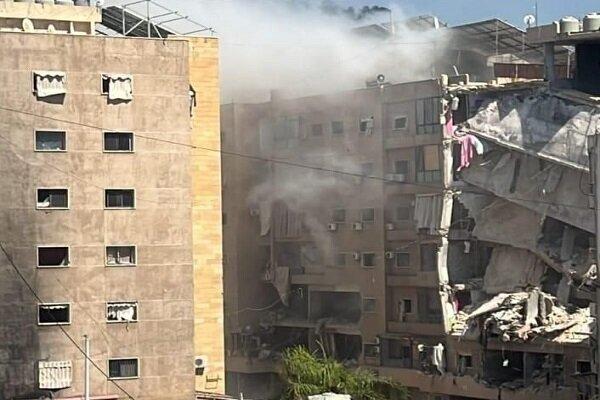
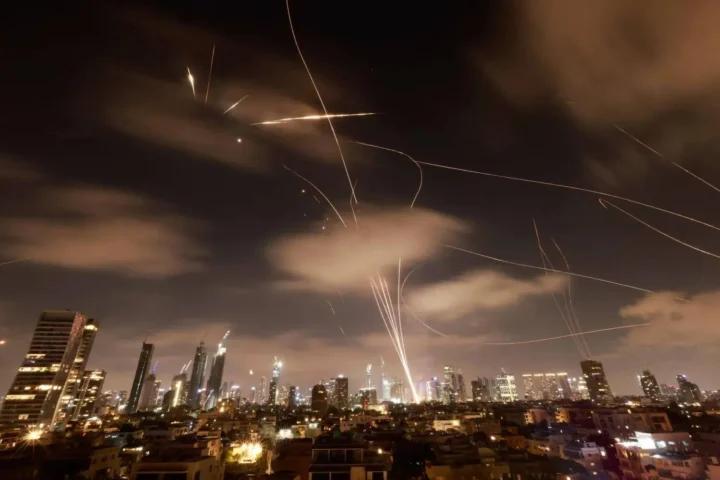
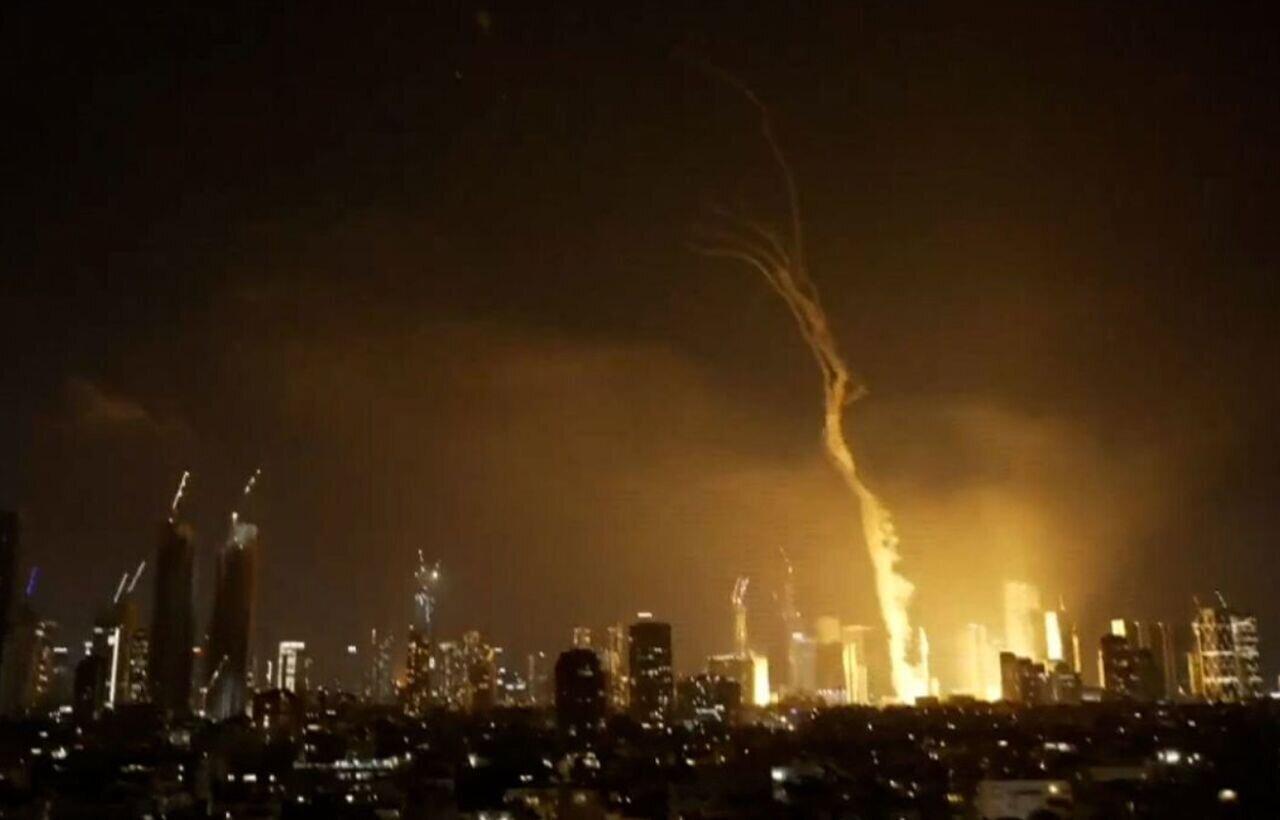
Iran’s hard-line Islamic Revolutionary Guards Corps (IRGC) launched a fresh wave of missile strikes against Israel on June 7, after Israel struck Beirut's southern suburbs earlier in the day, and the Israeli army said it intercepted all missiles from Iran thus far.
“Pakistan’s interior minister is in Tehran as the US downs more Iranian drones over Hormuz Pakistan’s interior minister is in Tehran to restart negotiations between Iran and the U”
The US Embassy in Jerusalem directed all US government employees and their families to shelter in place following renewed Iranian missile attacks on Israel, with a notice on the embassy website saying, "the US Embassy has directed all US government employees and their family members to shelter in place".

Israel Defense Forces (IDF) said air raid sirens sounded in several areas across the country "following the identification of missiles launched from Iran toward the State of Israel."
The development came hours after Israeli forces struck the suburbs of Lebanon's capital for the first time since Washington announced a renewed truce between Beirut and Tel Aviv last week, and the move threatened the already shaky cease-fire in the Middle East that took effect on April 8.
Pakistan carries messages
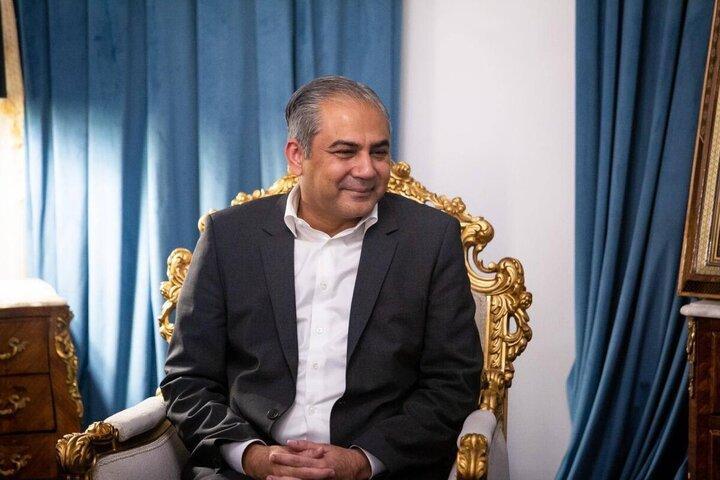
Pakistan’s Interior Minister Mohsin Naqvi met Iranian Foreign Minister Abbas Araghchi in Tehran and delivered a “written message” from Prime Minister Shehbaz Sharif for Iranian Supreme Leader Mojtaba Khamenei, as Islamabad sought to deescalate tensions linked to US-Israeli aggression against Iran.
Naqvi arrived in Tehran on Saturday evening, where he met his Iranian counterpart Eskandar Momeni, and the IRNA report said he handed Araghchi a “written message” intended for Khamenei, while Iranian authorities did not disclose the contents of the message.
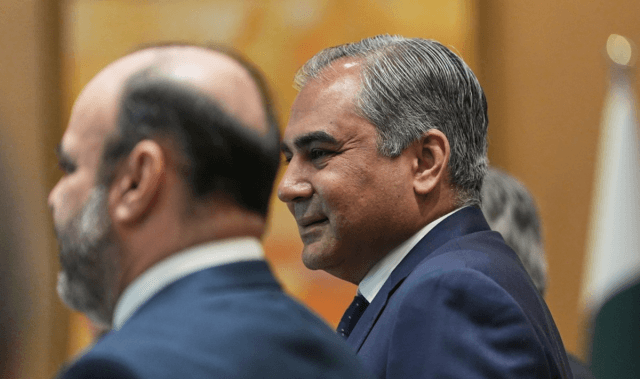
In Tehran, Naqvi said he had traveled to deliver a “special letter” from Pakistan’s military chief and a message from Prime Minister Shehbaz Sharif for Iran’s supreme leader, and he told reporters, "I hope everything proceeds well and comes to a good conclusion."
The talks also covered bilateral relations and “exchanged views on the latest status of the ongoing diplomatic process mediated by Pakistan” to end the West Asia conflict, with the heaviest fighting having ended with a preliminary ceasefire on April 8 but no long-term agreement reached.
Deadlock and what’s at risk
As the war entered its 100th day, the US military said it shot down two more Iranian drones over the Strait of Hormuz that threatened international maritime traffic, while Pakistan’s Interior Minister Mohsin Naqvi was in Tehran to deliver a message to Iran’s supreme leader.
Al Jazeera reported that negotiations were at “deadlock,” quoting Mohsen Rezaei, military adviser to Iran’s supreme leader, saying, "The negotiations are at a deadlock, and Trump must break this deadlock," and it also cited a US official saying, "The Treasury will utilise all tools available to allow Iranian assets to be made available to our Gulf allies".
The same Al Jazeera account tied the dispute to multiple sticking points including an end to hostilities across all fronts, including Lebanon, sanctions waivers on crude exports, the lifting of a US port blockade, and leverage over the Strait of Hormuz, which Iran has blocked since the US and Israel launched the war on February 28.
It also said armed hostilities largely subsided after the temporary Pakistan-mediated ceasefire began on April 8, but direct talks in Islamabad broke down on April 12 and flare-ups since have led to fears that full-scale fighting could resume.
More on Iran

Iran Launches Missiles Toward Israel After Israeli Air Raid on Beirut Suburbs
22 sources compared
Iran Launches Missiles At Israel After Beirut Strike, Israel Intercepts Waves
17 sources compared
Iran Launches Missiles At Israel After Beirut Suburb Bombardment
27 sources compared
Iran Fires Missiles at Israel After Warnings Over Lebanon Assault
19 sources compared