Iran’s Islamic Revolutionary Guard Holds Kalashnikov Training in Tehran as Trump Threatens War
Key Takeaways
- IRGC personnel in Tehran regularly demonstrate Kalashnikov handling to the public.
- A ballistic missile adorned the stage at a mass wedding.
- Demonstrations aim to project strength domestically and internationally amid ongoing war threats.
Tehran shows weapons publicly
Iran’s Islamic Revolutionary Guard members have begun regularly showing the public in Tehran how to handle Kalashnikov-style assault rifles, with parades featuring military vehicles mounted with belt-fed Soviet-era machine guns.
“In Iran’s capital, weapons demonstrations send a signal at home and abroad as threat of war remains In Iran’s capital, weapons demonstrations send a signal at home and abroad as threat of war remains DUBAI, United Arab Emirates (AP) — Iranian Revolutionary Guard members now regularly show the public in Tehran how to handle Kalashnikov-style assault rifles”
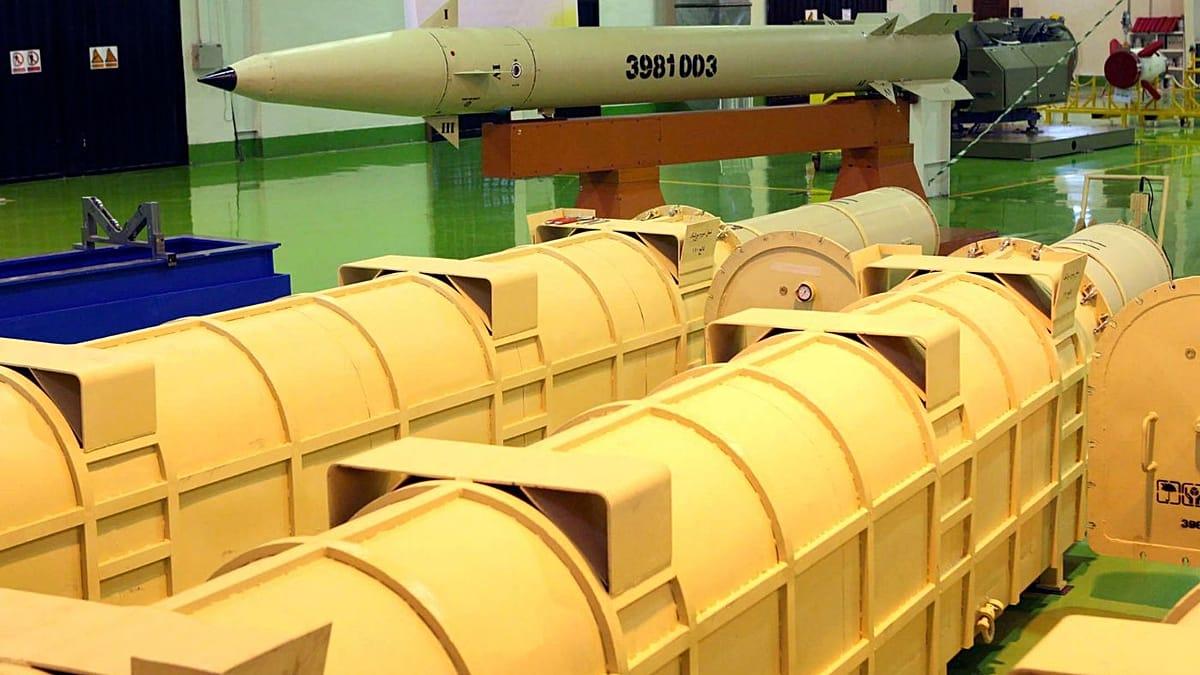
The demonstrations have included a mass wedding where a ballistic missile, “like the one that rained down cluster munitions on Israel, adorned the stage,” as U.S. President Donald Trump threatens he could restart the war with Iran if negotiations break down and Iran refuses to release its grip on the Strait of Hormuz.
At a weapons training Tuesday night, Ali Mofidi, a 47-year-old Tehran resident, said, “This is necessary for all our people to get trained because we are in a war situation these days,” adding, “If necessary, everyone should be available and know how to use a gun.”
The AP describes the weapons displays as both reflecting “the genuine threat Iran faces” and offering “reassurance and motivation to hard-liners” amid uncertainty, mass layoffs, business closures, and spiraling prices for food and medicine.
The AP also links the public weapons push to Iran’s response to nationwide protests in January, when activists said a crackdown killed over 7,000 people and saw tens of thousands detained.
Hard-liners, training, and criticism
For months, state television and government-sponsored text messages have bombarded the public with calls to join the “Janfada,” or the “ones who sacrifice their lives,” as hard-liners encouraged families with boys as young as 12 to send them to the Revolutionary Guard to work checkpoints.
The AP says Amnesty International denounced those checkpoint efforts as a war crime, while the same report describes how weapons training has shifted from unusual to a norm in Tehran.
At a demonstration Tuesday night in Tehran, Hadi Khoosheh, a member of the Revolutionary Guard’s all-volunteer Basij force and trainer, demonstrated how to handle a folding-stock Kalashnikov-style assault rifle and said, “At the end of the training those who completed the course will receive a card titled ‘Janfada.’”
The AP reported that the weapons training was “rudimentary at best” for young boys and older men gathered, including one who struggled to insert the rifle’s magazine and inadvertently pointed the barrel of the unloaded weapon at others.
Iranian Nobel Peace Prize laureate Shirin Ebadi criticized the public weapons demonstrations, saying, “Scenes like these are reminiscent of child hostage-taking and arming by groups such as Boko Haram in Nigeria, and militias in Sudan and Congo.”
War risk and regional stakes
The AP frames the weapons displays as part of a broader standoff in which U.S. President Donald Trump threatens to restart the war with Iran if negotiations break down and Iran refuses to release its grip on the Strait of Hormuz.
“DUBAI, United Arab Emirates | Iranian Revolutionary Guard members now regularly show the public in Tehran how to handle Kalashnikov-style assault rifles”
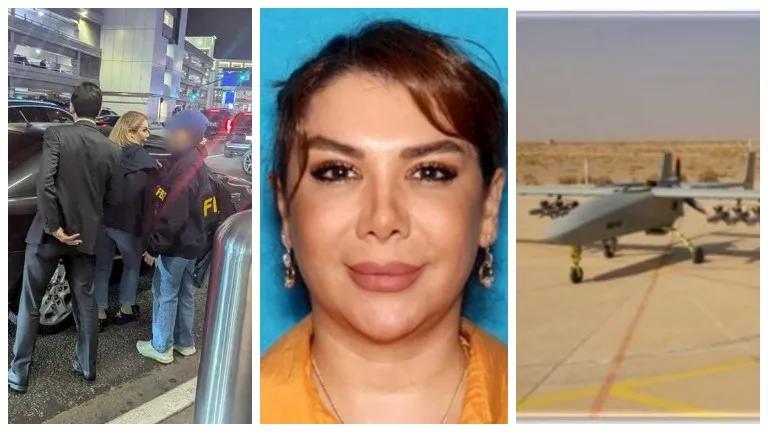
In a separate report, Masrawy says U.S. Attorney Bill Isaile announced the arrest of Shamim Mafi, 44, from the Woodland Hills area at Los Angeles International Airport on charges of smuggling weapons for the benefit of the Iranian government.
Masrawy adds that Isaile said the charges involve brokering the sale of drones, bombs, and blasting caps, as well as millions of rounds of ammunition manufactured in Iran and sold to the Muslim Brotherhood in Sudan, and that if convicted Mafi could face a maximum sentence of up to 20 years in federal prison.
The AP also describes Iran’s public weapons training as occurring during a period when the Islamic Republic is under pressure over the Strait of Hormuz, while Trump has suggested American forces could seize Iran’s stockpile of highly enriched uranium by force.
Together, the AP and Masrawy portray a conflict environment where Tehran’s public military signaling in Tehran and U.S. legal action tied to weapons shipments both point to escalating stakes around Iran’s regional posture.
More on Iran
U.S. Strikes Iran After Trump Says Ceasefire Is Over, Iran Hits U.S. Allies
22 sources compared
Israeli-American Attack Killed Ayatollah Ali Khamenei as His Body Was Buried in Mashhad
23 sources compared
United States Strikes Hit Bushehr as Iran Says 14 Killed in Past Two Days
17 sources compared

Iran Launches More Strikes After US Attacks Hit Southern Iran, US Central Command Says
36 sources compared