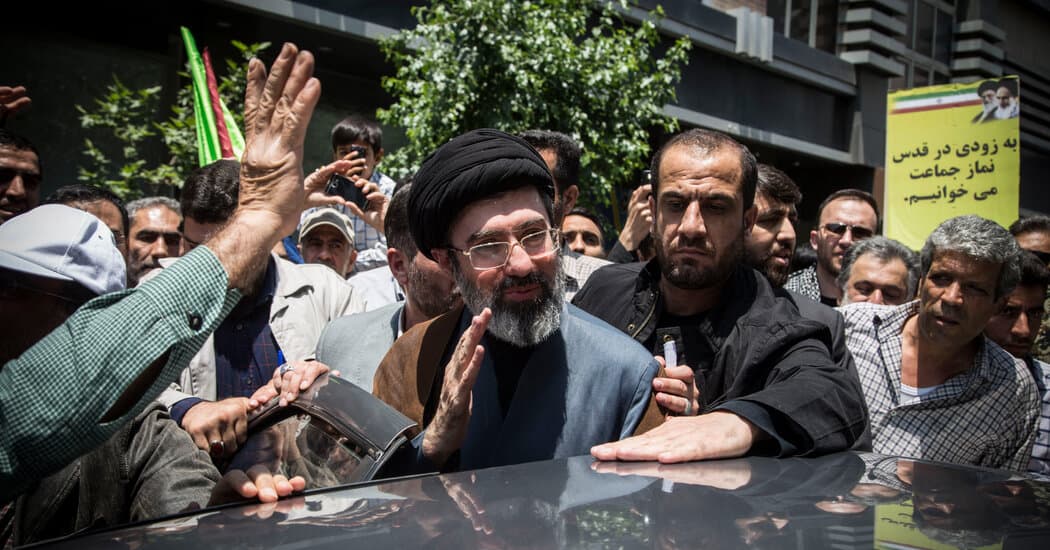
Iran's Military and Political Leaders Pledge Allegiance to Mojtaba Khamenei After Israel Killed Supreme Leader
Key Takeaways
- Top clerics and state media announced Mojtaba Khamenei as Iran's new supreme leader.
- Mojtaba Khamenei is the son of the slain Ayatollah Ali Khamenei.
- He was long considered a contender despite never holding elected or government positions.
Iran leadership succession
Iran’s top clerics and senior Shiite religious authorities announced the appointment of Mojtaba Khamenei as the country’s new supreme leader after the death of his father in an airstrike, presenting the selection as a continuity measure during an expanding war.
“Top clerics said in a statement published in state media that they had picked Mojtaba Khamenei, a son of the slain supreme leader Ayatollah Ali Khamenei, to succeed his father”
The New York Times reported that top clerics, in a statement carried by state media, named Mojtaba Khamenei — a 56-year-old son of the slain supreme leader Ayatollah Ali Khamenei — as Iran’s new supreme leader.
The New York Times said he takes the country’s highest religious and political office and becomes commander in chief.
The New York Times said he is known for close ties to the Islamic Revolutionary Guard Corps, was groomed for leadership, but does not have high religious standing.
The Washington Post noted that Mojtaba has long been viewed as a potential contender to succeed his father despite never having been elected or appointed to a government post, reporting the development via the Associated Press.
Succession amid hostilities
The appointment was framed as necessary for continuity amid escalating hostilities, but it immediately drew both domestic anger and international threats.
The New York Times reported the succession was presented as a move for continuity as the conflict with the United States and Israel expands nine days into the war.
The New York Times also reported that Israel has threatened to kill the successor, and that former President Trump called Mojtaba an 'unacceptable' choice and warned he 'is not going to last long' without U.S. approval.
The Washington Post's brief account, based on AP reporting, underscored how the selection gained attention because of the sudden vacancy created by the strike.
Reactions to Mojtaba's elevation
Hard-line elements within Iran and state media moved quickly to back Mojtaba's elevation, while some public voices expressed hostility.
“Top clerics said in a statement published in state media that they had picked Mojtaba Khamenei, a son of the slain supreme leader Ayatollah Ali Khamenei, to succeed his father”
The New York Times said "Hard-line Iranian forces and state media backed the appointment, while some Tehran residents chanted 'Death to Mojtaba'."
The Washington Post referenced the AP account and noted Mojtaba's long-standing profile as a potential successor, which helps explain the rapid consolidation of political messaging after the attack.
Conflict and leadership change
The leadership transition unfolded against continued regional violence and international responses, including U.S. and Israeli strikes on Iranian military and energy targets, damage to civilian infrastructure such as desalination plants, and attacks across Lebanon and the Gulf that caused significant casualties and diplomatic fallout.
The New York Times described the situation, stating that fighting continued unabated with U.S. and Israeli forces striking Iranian military and energy targets, desalination and other civilian infrastructure hit, an Israeli strike in Beirut that killed at least four, and Lebanese health officials saying nearly 400 have been killed in Lebanon.
The Washington Post, via AP, situates Mojtaba’s elevation within that same conflict-driven environment.
International reaction to appointment
The appointment’s international effects were immediate: the U.S. military reported additional American casualties, regional governments adjusted diplomatic postures, and markets reacted to the heightened risk.
“Top clerics said in a statement published in state media that they had picked Mojtaba Khamenei, a son of the slain supreme leader Ayatollah Ali Khamenei, to succeed his father”
The New York Times noted the Pentagon reported "a seventh American service member dead from wounds sustained in an Iranian attack," that "the U.S. State Department told diplomats to leave Saudi Arabia, oil prices jumped more than 10% to over $100 a barrel," and that several Gulf governments "have cracked down on information sharing (Qatar arrested 313 people for spreading 'rumors')."
The Washington Post’s AP-sourced item emphasized how Mojtaba’s selection occurred amid those rapidly shifting international dynamics.
More on Iran
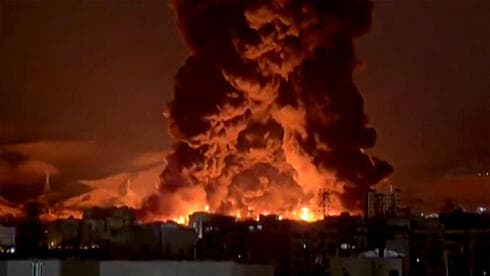
US obliterates military targets on Iran’s Kharg Island, Trump warns
13 sources compared
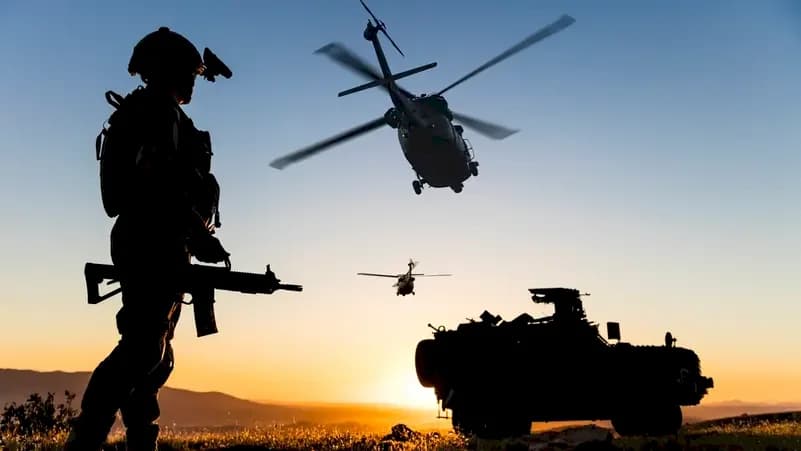
US Deploys About 2,500 Marines to Middle East After Iran Attacks Gulf Shipping
33 sources compared
FBI Warns of Iranian Drone Plot Based on Unverified Tip; California Says No Credible Threat
10 sources compared

White House Demands ABC Retract Report Claiming Iran Sought To Launch Drone Attacks On California
11 sources compared