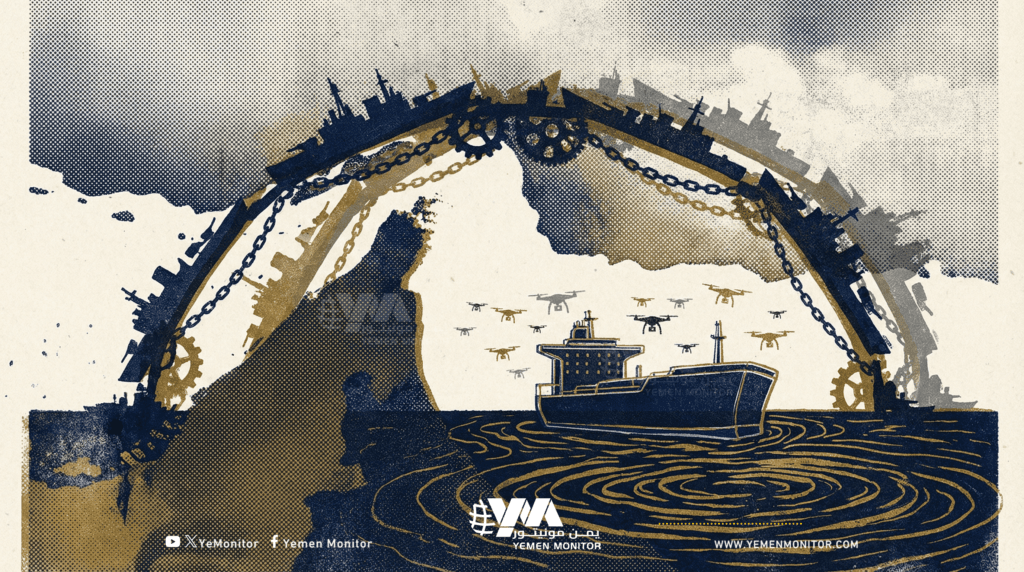
Iran’s Parliament And SNSC Review Plan To Assert Sovereign Control Over Strait Of Hormuz
Key Takeaways
- Parliament and SNSC jointly reviewing plan to assert sovereign control over the Strait of Hormuz.
- Final decision on lead body undecided between parliament and SNSC.
- Attributed to MP Fadahossein Maleki, National Security and Foreign Policy Commission.
Hormuz control plan
Iran’s parliament and the Supreme National Security Council (SNSC) are jointly reviewing a proposed plan to assert sovereign control over the Strait of Hormuz, with final decision-making authority “yet to be determined,” according to Mehr News Agency.
“TEHRAN, Apr 23: Iran’s parliament and the Supreme National Security Council (SNSC) are jointly reviewing proposals to assert sovereign control over the Strait of Hormuz, a key global oil transit chokepoint, with final authority on the move yet to be determined, a lawmaker said”
Fadahossein Maleki, a member of the Iranian parliament’s National Security and Foreign Policy Commission, told Mehr that both the legislative body and the SNSC are examining proposals for managing the strategic waterway.
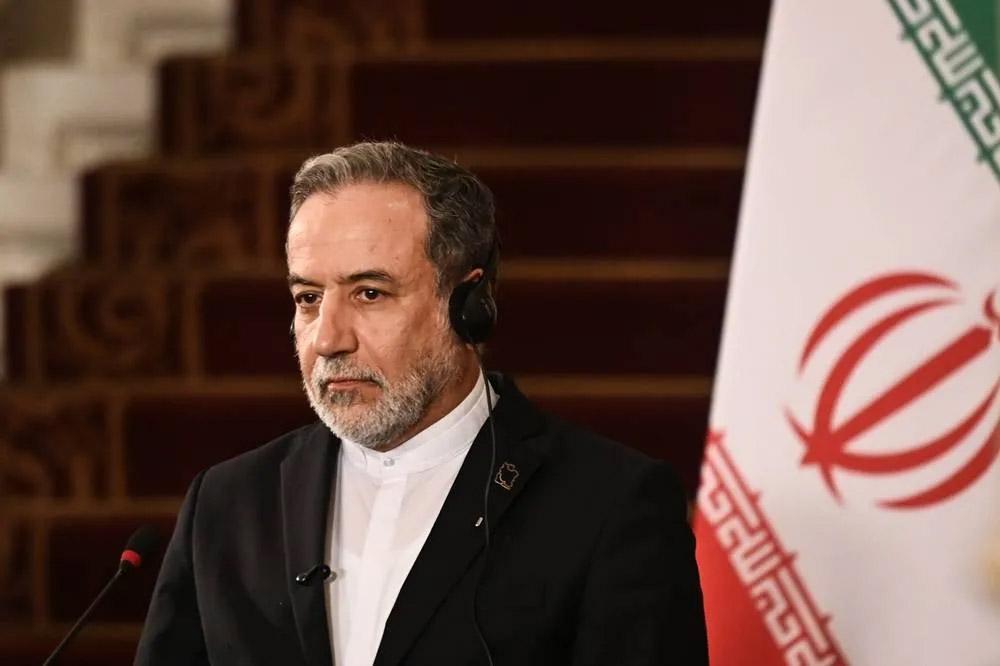
Mehr reported that the plan has been “formally registered in the parliamentary system” and has undergone review within the commission and broader parliamentary sessions.
Maleki said multiple proposals from lawmakers have been submitted and discussed, while parliament stands ready to legislate “if required.”
He also said the SNSC is conducting its own parallel review, and its conclusions have not yet been forwarded to the legislature.
Coordination between the two bodies is ongoing “to expedite a final outcome,” and Maleki indicated the ultimate decision on whether parliamentary legislation is necessary will depend on “international legal considerations.”
Daily Excelsior echoed the same institutional setup, saying Iran’s parliament and the SNSC are jointly reviewing proposals to assert sovereign control over the Strait of Hormuz, described as “a key global oil transit chokepoint.”
In that account, Maleki told Mehr that the plan was reviewed at both commission and plenary levels and that the SNSC’s conclusions “have not yet been shared with lawmakers.”
Talks, obstacles, and rhetoric
Alongside the internal review of Hormuz control, Daily Excelsior reported that President Masoud Pezeshkian said ceasefire violations, a naval blockade and U.S. threats were the main obstacles to meaningful talks.
Pezeshkian reiterated Tehran’s openness to dialogue, saying in a post on X that “Breach of commitments, blockade, and threats are the main obstacles to genuine negotiations.”
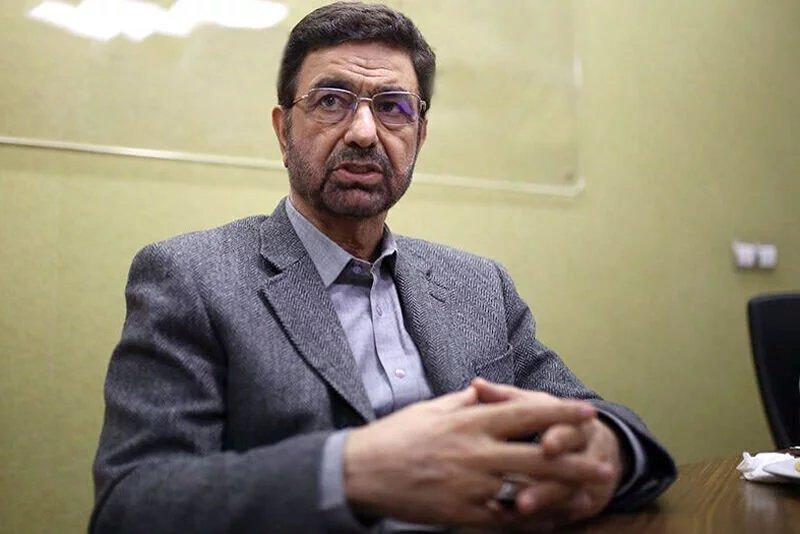
The same report quoted Parliament Speaker Mohammad Bagher Ghalibaf, who said a ceasefire would be meaningful only if it was not accompanied by a naval blockade or what he described as “the hostage-taking of the world economy,” and if hostilities by Israel ceased across fronts.
Daily Excelsior framed the Strait of Hormuz as a chokepoint that “handles a significant share of global oil shipments,” adding that any potential move by Iran to alter its status was a “major concern for energy markets and maritime security.”
The Mehr and News.Az accounts focused on the mechanics of decision-making between parliament and the SNSC, but they also described the same overall posture: the plan is under joint review, and the question of whether legislation is needed hinges on international legal considerations.
News.Az, in a separate version of the Maleki interview, said the parliament and SNSC are jointly reviewing a proposal concerning the management of the Strait of Hormuz “with no final determination yet on which body will take the lead in decision-making.”
It also repeated that the plan has been formally registered in parliament and reviewed in committee sessions and broader parliamentary discussions, while the SNSC is conducting a parallel review whose conclusions have not yet been transmitted to parliament.
In that account, Maleki stressed “coordination between the two institutions is ongoing in an effort to reach a unified decision framework.”
Analyst warns of coercion
A Yemen Monitor translation of an analysis in Foreign Policy by strategic analyst Steven A. Cook argued that Iran’s proposed “peace plan” would put Gulf security and the Strait of Hormuz under Tehran’s influence.
Cook warned that the plan, which the Trump administration is “currently negotiating,” would grant Tehran “de facto and institutional control over the Strait of Hormuz,” turning the international waterway into “a tool of financial and political coercion.”
The report said Iran’s ten-point plan, revealed by Iran’s foreign minister alongside ceasefire announcements, includes conditions that would grant the Iranian armed forces the right to “coordinate” and impose “technical restrictions” on safe passage through the Strait of Hormuz.
It further claimed that while the U.S. administration sought to portray the agreement as a guarantee of freedom of navigation, “the facts indicate that Tehran has succeeded in turning its control of the strait from a ‘hypothetical’ threat before the war broke out on February 28 into a reality imposed by force.”
The analysis also described a “crossing-fee system” as something President Trump appears open to, saying it would set “a dangerous precedent” and grant Tehran “large financial inflows (in hard currencies or Bitcoin).”
Cook’s argument presented Gulf states with “two options, two bad choices,” either to “bow to Tehran’s good faith” or to “fund a regime that has targeted their cities with missiles and drones over the past five weeks.”
The report tied the stakes to regional security and economic planning, saying that Saudi Arabia, the United Arab Emirates, and Qatar may be forced to “direct resources toward fortifying cities and purchasing defensive systems.”
It also asserted that countries may “revert to a hedging strategy by strengthening military and economic ties with Beijing,” repeating a scenario described as “the past decade when Washington began a policy of ‘pulling out of the Middle East.’”
Negotiations stall, fees and routes
Al Jazeera Net reported that talks between the United States and Iran in the Pakistani capital Islamabad stalled, renewing debate over the fate of the Strait of Hormuz.
The outlet said Washington demanded the strait’s immediate reopening, but an Iranian delegation refused without a final agreement, citing The New York Times and “Iranian officials familiar with the negotiations.”

Al Jazeera Net said that when the U.S.-Israeli war on Iran began on February 28 of last year, the Strait of Hormuz was an open international waterway for global navigation, but Iran “quickly” turned it into a lever of pressure by opening it through bilateral coordination and closing it to those Tehran calls enemies.
The report described Iran’s political statements as indicating it does not want the strait to return to its previous state, and said Iran is imposing fees on ships passing through it and designating specific routes.
It added that the International Crisis Group said Iran “will not easily give up this strategic gain even after the war ends,” meaning it will try to create a new geopolitical reality that gives it influence over the strait.
Al Jazeera Net linked that to Iran’s Ten-Point Plan presented to U.S. President Donald Trump, including a provision calling for continued Iranian control over the vital sea passage.
The outlet also reported that Trump previously said that oil would begin to flow, with or without Iran, and later said his country had begun the process of cleansing the Strait of Hormuz as a service to countries around the world.
It further stated that military experts say using force to open the strait carries risks due to naval mines and Iran’s ability to launch missiles and drones at merchant and military ships attempting to pass through by force.
European and U.S. positions
The same Al Jazeera Net report described European and U.S. positions as diverging over how to respond to Iran’s approach to the Strait of Hormuz.
“Yemen Monitor / Ma'rib / Exclusive translation: Strategic analyst Steven A”
It said Europeans “prefer to wait and reject the calls by the American president to help open the strait,” while also noting that the European Union announced its rejection of imposing tolls for crossing the Strait of Hormuz and called for preserving freedom of navigation.
Al Jazeera Net also reported that EU member states proposed ideas they said could help restore the strait to its normal state after the war.
In the U.S. posture described by the outlet, Trump had repeatedly stated that the United States does not need the strait, while the report argued that the strait’s fate remains crucial because the “world’s largest military power” would not tolerate a hostile state controlling one of the world’s main waterways.
Al Jazeera Net said the impact of closure would reach the American economy and, through it, the American citizen facing rising prices.
It also stated that Britain announced a 40-country alliance tasked with laying out a military and diplomatic plan to open the vital waterway, and that French President Emmanuel Macron said that around 15 countries plan to assist in resuming traffic through the Strait.
The report’s depiction of negotiation dynamics also included the claim that the American president had previously said that oil would begin to flow, with or without Iran, and later said his country had begun the process of cleansing the Strait of Hormuz as a service to countries around the world.
Meanwhile, Yemen Monitor’s translation of Steven A. Cook’s Foreign Policy analysis framed the U.S. role differently, arguing that the Trump administration is negotiating a plan that would grant Tehran control and that the U.S. failure to undermine Iran’s capabilities has driven regional countries to reassess the “narrative” about the Gulf as a safe environment for business and investment.
More on Iran
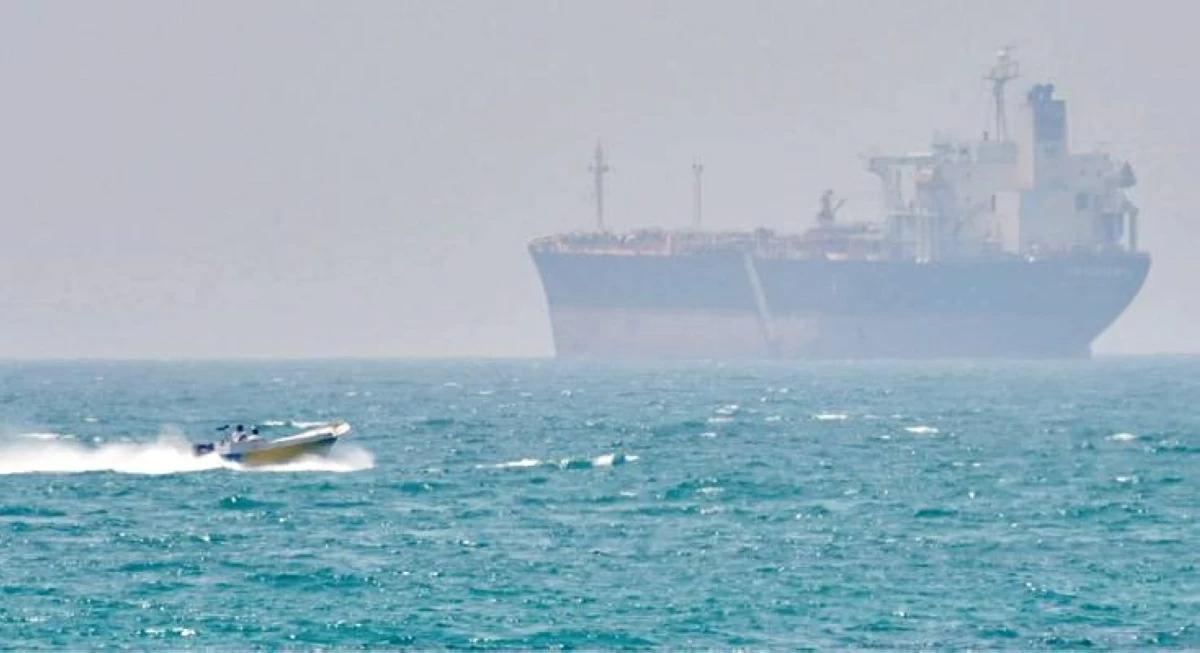
Iran Begins Collecting Strait of Hormuz Transit Fees, Deposits First Revenue in Central Bank
16 sources compared
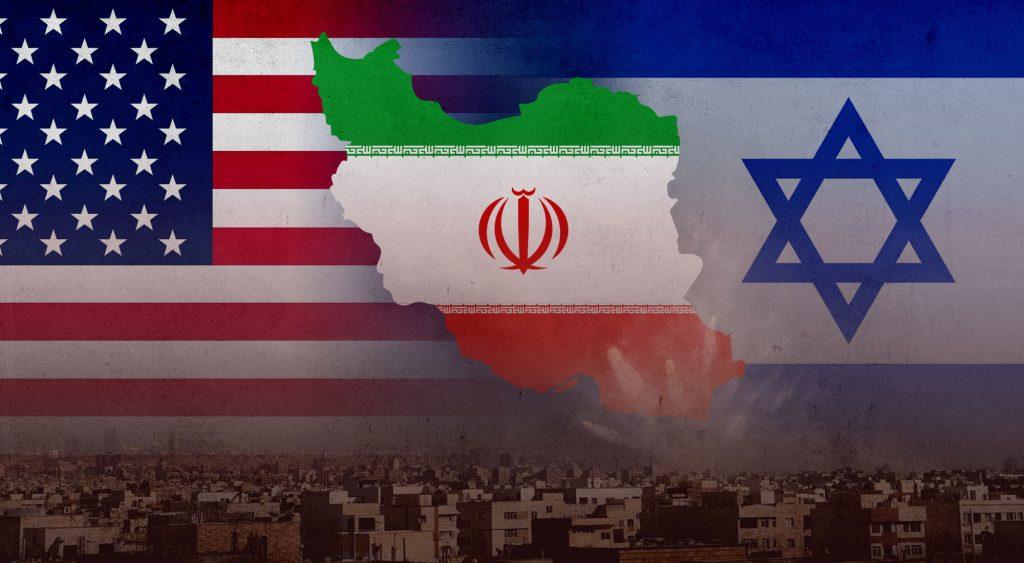
Iran Seized Two Ships In The Strait Of Hormuz After US Called Off Attacks
16 sources compared
Donald Trump Says No Timetable for War as U.S. Keeps Naval Blockade on Tehran
27 sources compared
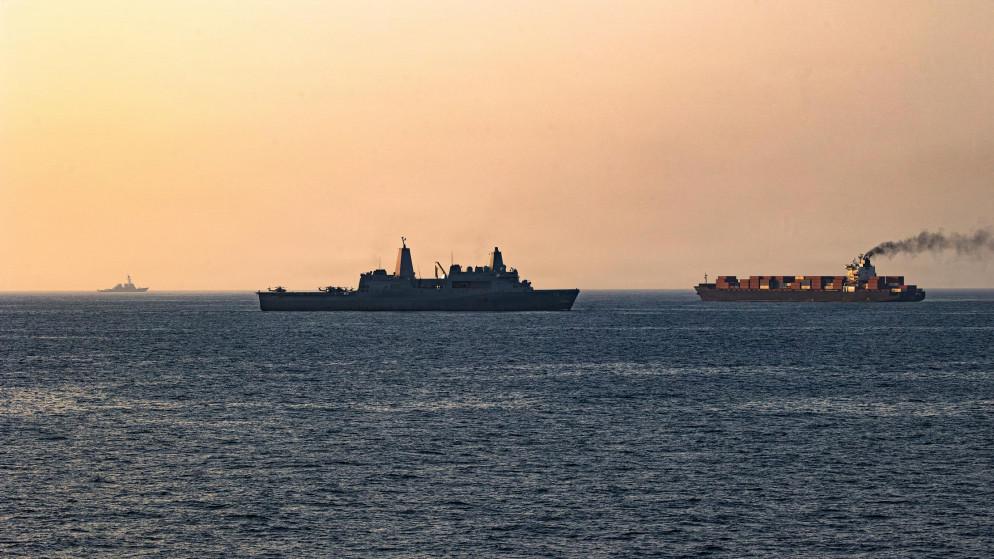
Iran Fires on Three Ships and Seizes Two in Strait of Hormuz, Trump Extends Ceasefire
28 sources compared