Full Analysis Summary
Iran foreign and defence review
Iran’s parliament convened a closed-door session attended by Foreign Minister Seyed Abbas Araghchi and Armed Forces Chief of Staff Major General Seyed Abdolrahim Mousavi to review foreign policy, ongoing nuclear talks and national defence readiness.
The meeting was presented as a high-level review of negotiations with the United States and the state of military preparedness, with parliamentary leaders emphasizing coordination between diplomatic and military institutions.
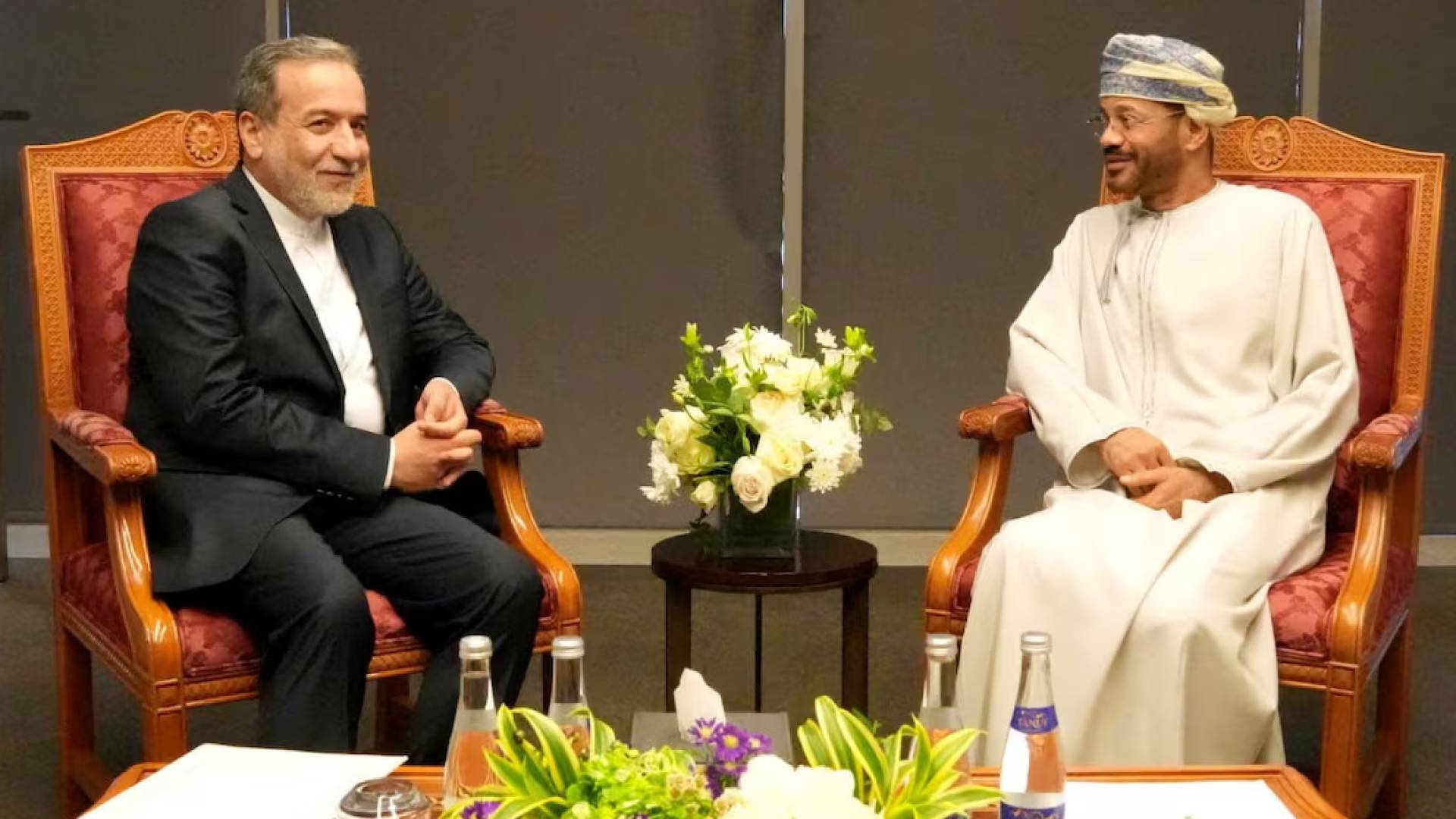
Reports also note that a senior official is due to visit Oman for follow-up discussions tied to the recent Muscat meeting.
Coverage Differences
Tone / Detail emphasis
Mehr News Agency emphasizes the unity of diplomacy and military oversight and frames the session as a review of national defence readiness, while Roya News focuses on the procedural fact of the closed-door meeting and attendance, and Al-Jazeera highlights the connection to ongoing Oman-mediated talks and follow-up visits. Each source therefore stresses different aspects: Mehr the parliamentary framing and strategic posture, Roya the basic reporting of attendance, and Al-Jazeera the diplomatic context and next steps.
Iran nuclear red lines
Parliamentarians used a closed-door review to reiterate firm 'red lines' on Iran's nuclear programme and to warn against undue concessions.
Officials insisted that preservation of Iran's nuclear industry and continuation of uranium enrichment are non-negotiable, rejecting proposals such as zero-percent enrichment and urging vigilance because of past U.S. breaches of commitments.
Araghchi was reported to stress Iran's uncompromising right to enrich uranium, linking that posture to an insistence that diplomacy remain the chosen path.
Coverage Differences
Emphasis / Direct quotation
Mehr News Agency reports parliamentary warnings and explicitly states that 'zero‑percent enrichment was explicitly rejected' and frames the stance as a legal and parliamentary constraint, while Al-Jazeera reproduces a strong direct quote attributed to Araghchi — 'will not retreat from this right even if that leads to war' — giving a more confrontational tone. Roya News reports the session and attendance but omits the detailed red-line quotes, providing less emphasis on rhetoric.
Coverage of Muscat talks
Both Mehr and Al-Jazeera explicitly link the closed-door session to the recent Oman-mediated Muscat meeting, saying Iran determined the location and framework for those talks and that indirect talks with the United States have proceeded at Iran's proposal.
Al-Jazeera names U.S. envoys who attended Muscat, including Steve Witkoff and Jared Kushner, and reports both sides seemed inclined to continue limited, indirect negotiations pending decisions in their capitals.
Roya's coverage is briefer and does not detail the Muscat participants or the choice of venue.
Coverage Differences
Missed information / Detail
Mehr News Agency reports that 'Iran determined the location and framework for recent talks in Oman' and frames indirect talks as occurring at Iran's proposal, while Al-Jazeera supplies additional names and context from the Muscat meeting (Steve Witkoff and Jared Kushner) and describes both sides as inclined to continue talks. Roya News reports the closed-door meeting without these diplomatic specifics, omitting details on Muscat’s participants.
Iran military claims overview
The session also reviewed Iran's military posture.
Mehr quoted Major General Mousavi recounting a recent "12-day war" and calling it a long-planned effort that Iran thwarted.
Mousavi asserted stronger defensive and offensive capabilities and claimed Iranian missiles penetrated Israeli air defenses.
Al-Jazeera reflected related comments from Araghchi that the U.S. military buildup does not intimidate Iran.
Araghchi also reiterated Tehran's rejection of widening negotiations to include missiles or regional policies.
Roya's short report does not include these military claims.
Coverage Differences
Tone / Narrative emphasis
Mehr News Agency foregrounds military claims and assertions of increased readiness — quoting Mousavi on a '12‑day war' and missile penetration claims — giving a more forceful security narrative. Al-Jazeera focuses more on diplomatic posture and the refusal to link missile/regional policy discussions to nuclear talks, citing Araghchi's line that U.S. buildup 'does not intimidate Iran.' Roya omits such military detail.
Parliamentary stance on diplomacy
Parliamentary leaders framed diplomacy as a form of struggle while setting clear legal and political constraints on any agreement.
Mehr recorded Speaker Mohammad Bagher Ghalibaf stressing that Iran would not compromise on principles including enrichment and missile capabilities.
Araghchi was reported to say any accord must comply with parliamentary law and prioritize economic diplomacy with neighbours.
The session reportedly concluded by reaffirming that negotiations 'under threat' are unacceptable.
Roya's piece is briefer and notes the AI-generated audio label for its audio version.
Al-Jazeera centers the political-diplomatic lines without the parliamentary procedural detail.
Coverage Differences
Narrative / Procedural emphasis
Mehr News Agency gives a detailed parliamentary and legal framing — quoting Ghalibaf and noting the requirement that any 'agreement must comply with parliamentary law' and rejecting 'negotiations under threat' — while Al-Jazeera highlights the political messaging from Araghchi (diplomacy and refusal to discuss missiles) and Roya limits reporting to attendance and the audio-version note. Thus Mehr focuses on legislative constraints and political rhetoric, Al-Jazeera on diplomatic posture, and Roya on succinct factual reporting.